

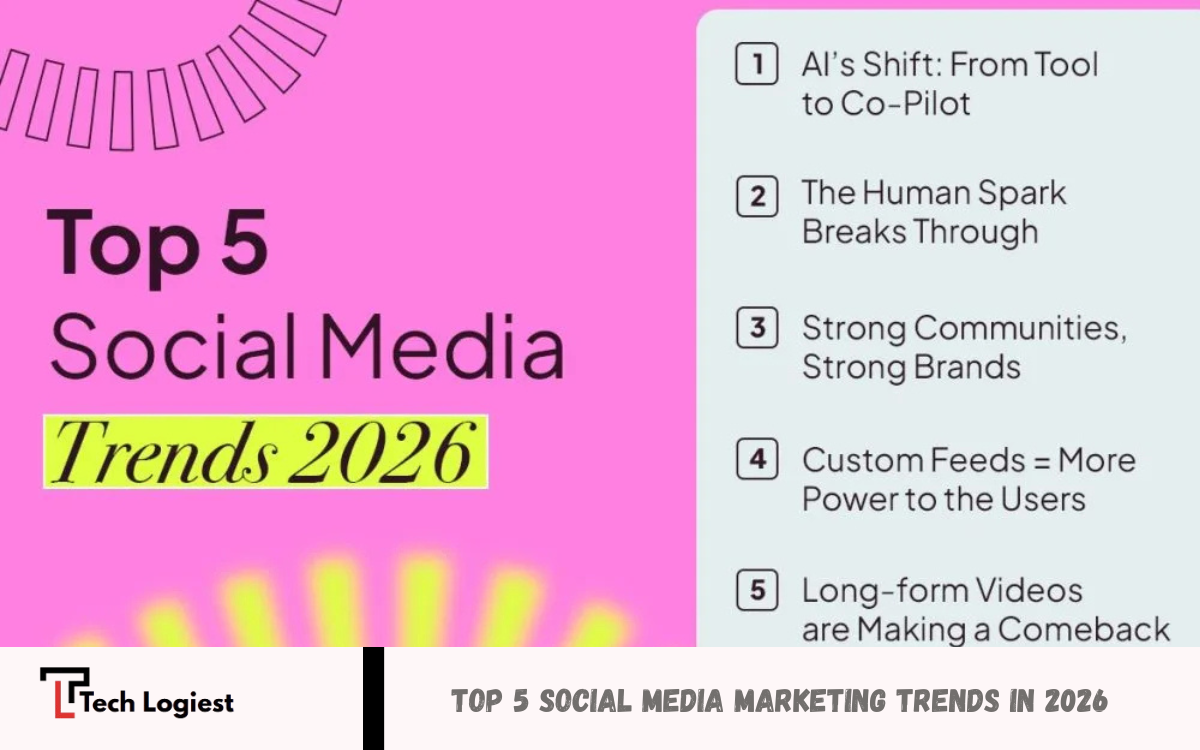
Social media marketing continues to evolve at an unprecedented pace, reshaping how brands connect with audiences in an increasingly digital world. With user behavior shifting rapidly and new technologies emerging, marketers are embracing more immersive, personalized, and data-driven strategies than ever before.
Another major development is the growing importance of social commerce, where users discover, evaluate, and purchase products without ever leaving their favorite apps. This trend blurs the line between social interaction and online shopping, making platforms key drivers of direct sales. Additionally, authenticity and community-centric strategies are gaining traction as users increasingly favor real, relatable content over polished advertising.
AI-Driven Social Media Marketing Becomes Standard
Artificial intelligence reshapes social media marketing operations in 2026. AI tools handle content ideation, caption optimization, hashtag analysis, posting schedules, audience segmentation, and predictive analytics.
Brands use AI-powered platforms for:
- Automated content calendars
- Performance forecasting
- Sentiment analysis
- Customer behavior prediction
- Real-time trend detection
AI-generated visuals, videos, and voiceovers reduce production costs while maintaining quality. Marketers blend human creativity with machine efficiency. Human oversight ensures brand tone consistency and ethical use.
Chatbots evolve into conversational AI agents. Social platforms integrate advanced messaging automation supporting customer service, lead qualification, and post-purchase support. Faster responses increase customer satisfaction and conversion rates.
Short-Form Video Dominance Continues
Short-form video remains a core social media marketing trend in 2026. Platforms prioritize vertical video formats across feeds, search results, and discovery pages.
Popular formats include:
- Educational micro-content
- Product demos
- Behind-the-scenes clips
- User-generated reactions
- Story-driven brand narratives
Attention spans shorten further. Brands deliver value within the first three seconds. Visual hooks, captions, and motion graphics drive retention.
Social Commerce Expands Rapidly
Social commerce emerges as a revenue-driving force in 2026. Platforms integrate native shopping experiences, enabling browsing, checkout, and payment without external redirects.
Key social commerce features include:
- In-app storefronts
- Live shopping events
- Influencer-tagged product links
- AI-powered recommendations
- Secure native payments
Live commerce gains traction across fashion, beauty, electronics, and lifestyle niches. Real-time interaction builds trust, urgency, and social proof.
Authenticity Over Perfection
Consumers demand authenticity in 2026. Highly polished advertisements lose effectiveness. Raw, relatable, honest content performs better across platforms.
Brands adopt human-first storytelling. Employees, founders, and creators appear in content. Mistakes acknowledged openly. Transparency strengthens loyalty.
User-generated content becomes a marketing cornerstone. Brands encourage customers sharing experiences organically. Community-driven campaigns outperform traditional promotions.
Read Also: Review of Free Blogging Platforms for Beginners
Creator Economy Matures
Creator economy stabilizes during 2026. Influencer marketing evolves into long-term partnerships rather than one-off sponsorships.
Brands prioritize:
- Micro-creators
- Niche experts
- Community leaders
- Authentic storytellers
Smaller creators deliver higher engagement rates, trust, conversion potential. Performance-based collaborations replace vanity metrics.
Creators launch independent platforms, subscription models, digital products. Social platforms introduce advanced monetization tools supporting creators directly.
Brands collaborate with creators during product development, not just promotion. Co-creation increases authenticity, audience alignment.
Platform-Specific Strategies Gain Importance
One-size-fits-all social media marketing disappears during 2026. Each platform requires tailored strategy.
Focus shifts toward reels, broadcasts, community notes, creator subscriptions.
TikTok
Discovery-driven content, trend participation, storytelling, native ads dominate.
YouTube
Shorts combined with long-form educational content drive authority.
Thought leadership, AI-powered content suggestions, professional storytelling gain traction.
X (Twitter)
Real-time conversations, community spaces, niche discussions influence brand voice.
Brands analyze platform behavior deeply. Content adapts to platform culture, audience expectations, algorithm preferences.
Search Optimization Inside Social Platforms
Social platforms become search engines in 2026. Users search directly inside TikTok, Instagram, and YouTube for reviews, tutorials, and recommendations.
Social SEO emerges as a critical skill. Marketers optimize captions, video descriptions, spoken keywords, and hashtags.
Voice search optimization gains importance due to AI assistants and audio search functionality. Clear language and natural phrasing improve discoverability.
Brands treat social content as searchable assets, not temporary posts.
Community-Centric Marketing Rises
Communities replace audiences. Brands focus on building owned communities across platforms.
Community features include:
- Private groups
- Broadcast channels
- Membership programs
- Discord servers
- Subscriber-only content
Engaged communities generate repeat customers, organic referrals, and feedback loops. Two-way communication strengthens relationships.
Brands listen actively. Community insights inform product improvements, campaign direction, and customer experience strategies.
Privacy, Trust, Ethical Marketing
Data privacy regulations tighten further in 2026. Third-party cookies decline. Platforms limit data access.
Marketers adopt first-party data strategies. Email lists, community signups, and loyalty programs gain importance.
Transparency becomes trust currency. Brands communicate data usage clearly. Ethical targeting builds long-term credibility.
AI usage requires ethical boundaries. Responsible automation, bias prevention, and consent-driven personalization matter.
Augmented Reality And Immersive Experiences
Augmented reality is increasingly integrated into social media marketing. AR filters, virtual try-ons, and immersive brand experiences drive engagement.
The industries that benefit most include fashion, beauty, real estate, gaming, and education.
Virtual showrooms allow customers to explore products digitally. AR increases confidence and reduces return rates.
Metaverse concepts evolve into practical applications rather than hype. Focus shifts toward utility-driven immersive experiences.
Performance Metrics Shift
Traditional metrics lose relevance. Likes and impressions matter less than meaningful engagement.
Key performance indicators during 2026 include:
- Conversion rates
- Retention metrics
- Community growth
- Customer lifetime value
- Social-driven revenue
Advanced analytics tools measure multi-touch attribution across platforms. Social media marketing aligns closer with business objectives.
Content Longevity Improves
Evergreen content regains importance. Brands create reusable assets optimized for long-term discovery.
Educational content, how-to guides, and explainers generate ongoing traffic. Short-term trends combined with long-term value strategies balance content calendars.
Repurposing becomes essential. One content piece can be transformed into multiple formats across channels.
Voice, Audio, Podcast Integration
Audio marketing expands in 2026. Platforms support audio rooms, voice notes, and short podcasts.
Brands use audio storytelling for a deeper emotional connection. Voice builds intimacy, trust, and brand recognition.
AI-generated voice content enables scalability while maintaining consistency.
B2B Social Media Marketing Evolution
B2B social media marketing grows stronger during 2026. Decision-makers consume content on LinkedIn, YouTube, X.
Thought leadership, case studies, and behind-the-scenes insights influence buying decisions.
Video-based B2B content outperforms text-heavy posts. Personal branding by founders and executives boosts company credibility.
Globalization With Localization
Brands reach global audiences while delivering localized experiences. Language customization, cultural relevance, region-specific trends matter.
AI translation tools enable multilingual content creation. Local creators help brands enter new markets authentically.
Future-Proof Social Media Marketing Strategy
To succeed with social media marketing trends in 2026, brands must:
- Embrace AI responsibly
- Prioritize authenticity
- Invest in community building
- Optimize platform-specific content
- Focus on measurable business impact
- Adapt continuously
Agility defines competitive advantage. Brands experimenting early, learning fast, and evolving strategies remain visible.
Frequently Asked Questions
What role does social commerce play in social media marketing?
Social commerce allows users to discover, evaluate, and purchase products directly within social platforms, reducing friction and increasing conversion rates through seamless shopping experiences.
Why is authenticity important in social media marketing?
Authenticity builds trust, loyalty, and long-term engagement. Audiences respond better to relatable, transparent, human-centered content than highly polished promotional messaging.
How are influencers changing in 2026?
Influencer marketing shifts toward long-term collaborations with micro-creators and niche experts, focusing on genuine partnerships, performance-based outcomes, and community influence.
How do platform-specific strategies affect marketing success?
Each platform has unique algorithms, content formats, and audience behavior. Platform-specific strategies ensure better engagement, higher reach, and stronger brand alignment.
How does privacy regulation affect social media marketing?
Stricter privacy regulations limit data access, making first-party data collection, transparency, and ethical targeting essential for sustainable social media marketing strategies.
What metrics matter most in social media marketing in 2026?
Key metrics include conversion rates, engagement quality, retention, community growth, customer lifetime value, and social-driven revenue rather than likes or impressions.
How can businesses prepare for future social media marketing trends?
Businesses should invest in AI tools, focus on audience trust, build communities, create adaptable content, monitor platform updates, and continuously optimize strategies based on data insights.
Conclusion
Social media marketing trends in 2026 reflect maturity, intelligence, and purpose. Technology empowers creativity rather than replacing human connection. Brands winning attention combine innovation with authenticity, automation with empathy, data with storytelling.
Social media transforms from a promotional channel into a relationship engine, commerce driver, and trust platform. Businesses aligning their strategy with evolving trends build a lasting digital presence.
