

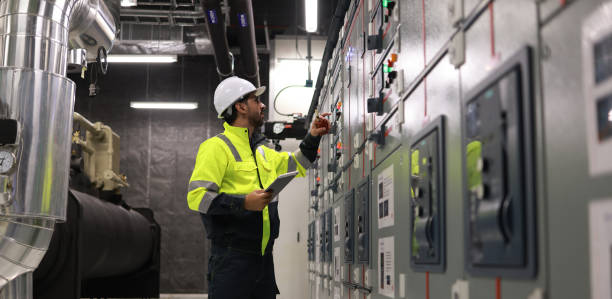
In the ever-evolving landscape of industrial, commercial, and residential power systems, efficient electrical distribution is critical. Properly designed and managed electrical distribution networks ensure operational efficiency, safety, and reliability. At the heart of these systems lies the master switch board, a central control unit that coordinates power flow, protects equipment, and allows flexible management of electrical loads. Leveraging modern master switch board techniques can significantly enhance distribution performance, reduce downtime, and improve overall energy efficiency.
This article explores the design, features, and benefits of modern master switch boards, discusses key techniques for optimization, and provides guidance for implementing advanced distribution solutions.
Understanding Master Switch Boards
A master switch board, also known as a main distribution board or switchgear panel, is the primary control center for electrical power in a facility. It distributes incoming electricity to various circuits while providing protective measures and monitoring capabilities.
Components of a Master Switch Board
Modern master switch boards integrate several components to manage and protect electrical networks efficiently:
- Main Circuit Breakers: Provide protection against overloads and short circuits by disconnecting faulty circuits.
- Busbars: Conductors that carry current from the main supply to various branch circuits.
- Protective Relays: Detect faults and trigger protective actions to isolate affected circuits.
- Switches and Disconnects: Enable safe isolation of circuits for maintenance or emergency response.
- Monitoring Instruments: Meters and sensors that provide real-time data on voltage, current, and power quality.
These components work together to ensure safe, reliable, and efficient power distribution across the facility.
Role of a Master Switch Board in Electrical Distribution
The master switch board serves as the control hub for electrical distribution. Its primary roles include:
- Power Coordination: Directs electricity to various loads while maintaining voltage stability and balanced currents.
- Fault Protection: Detects electrical anomalies and isolates affected circuits to prevent damage.
- Operational Flexibility: Allows selective control of circuits for maintenance, load management, and emergency scenarios.
- Monitoring and Reporting: Provides data to help optimize energy usage and improve maintenance scheduling.
By integrating modern technologies, master switch boards can optimize the performance of the entire electrical distribution system.
Modern Techniques for Optimizing Master Switch Boards
Advances in switch board design, monitoring, and control technologies have transformed how electrical distribution networks are managed. The following techniques enhance safety, efficiency, and operational reliability.
Digital Monitoring and Smart Controls
Modern master switch boards are equipped with digital sensors and smart controls to monitor real-time parameters such as voltage, current, power factor, and energy consumption.
- Benefits:
- Immediate detection of anomalies or overloads
- Reduced downtime through predictive maintenance alerts
- Integration with energy management systems for efficient load control
- Applications: Industrial plants, commercial complexes, and utility substations benefit from improved monitoring and responsive control.
Modular Design for Scalability
Modular master switch boards use interchangeable sections or cubicles that can be expanded or modified without disrupting existing operations.
- Benefits:
- Simplified maintenance and upgrades
- Flexibility to add new circuits or equipment
- Reduced installation and operational downtime
- Applications: Growing industrial facilities or commercial buildings that anticipate expansion or increased energy demand.
Automated Load Management
Advanced switch boards can integrate load management software to optimize power distribution. By analyzing energy demand, these systems can prioritize essential circuits, schedule non-critical loads, and prevent overloading.
- Benefits:
- Improved energy efficiency and reduced operational costs
- Minimized risk of circuit overload and equipment damage
- Enhanced control over peak demand periods
Integration with Renewable Energy Sources
Modern electrical distribution systems often incorporate solar, wind, or other renewable energy sources. Master switch boards with smart controls can manage the integration of distributed generation systems, ensuring smooth power flow and system stability.
- Benefits:
- Reduced dependency on grid power
- Optimized utilization of renewable energy
- Improved system resilience and sustainability
Advanced Protective Relays and Arc Fault Detection
Modern master switch boards employ microprocessor-based protective relays and arc fault detection devices to enhance safety. These systems can detect unusual current patterns, isolate faults rapidly, and prevent catastrophic failures.
- Benefits:
- Faster fault response and minimized downtime
- Reduced damage to equipment
- Enhanced safety for personnel
Benefits of Modern Master Switch Board Techniques
Implementing advanced master switch board techniques offers several operational, financial, and safety advantages:
Enhanced Safety and Fault Management
Modern protective systems, automated load control, and arc fault detection reduce the risk of electrical accidents, equipment damage, and fire hazards.
Improved Energy Efficiency
Real-time monitoring and load optimization allow facilities to reduce energy wastage, manage peak loads, and improve power factor, lowering electricity costs.
Operational Flexibility
Modular designs and intelligent controls enable quick circuit isolation, system expansion, and seamless integration of new equipment or renewable energy sources.
Reduced Downtime and Maintenance Costs
Predictive maintenance alerts, fault detection, and modular construction reduce downtime, minimize repairs, and extend the lifespan of electrical equipment.
Data-Driven Decision Making
Smart master switch boards provide detailed reports and analytics, enabling facility managers to optimize energy usage, plan upgrades, and maintain system reliability.
Best Practices for Implementing Modern Master Switch Boards
To maximize the benefits of modern master switch board techniques, the following best practices should be followed:
Comprehensive Load Assessment
- Evaluate current and projected energy requirements
- Identify critical loads and circuits requiring priority protection
- Plan for future expansions and integration of renewable energy sources
Professional Installation
- Engage certified electrical engineers and technicians
- Follow industry standards and electrical codes for safe and reliable installation
- Ensure proper grounding, isolation, and protective device calibration
Regular Maintenance and Monitoring
- Conduct periodic inspections for wear, corrosion, and loose connections
- Monitor real-time electrical parameters and respond to anomalies promptly
- Perform routine testing of protective relays and circuit breakers
Integration with Energy Management Systems
- Utilize software to analyze energy consumption, detect inefficiencies, and optimize load distribution
- Implement automated load shedding or prioritization for non-critical circuits during peak demand
Training and Safety Awareness
- Train personnel on safe operation and emergency procedures
- Implement clear labeling and documentation for all switch board components
By combining advanced technology, professional installation, and proactive maintenance, master switch boards can deliver optimal electrical distribution performance.
Conclusion
Modern master switch board techniques are essential for optimizing electrical distribution, ensuring safety, and maintaining operational efficiency. By integrating digital monitoring, modular construction, automated load management, and advanced protective devices, facilities can achieve reliable, uninterrupted power while minimizing energy wastage and reducing operational risks.
Proper installation and maintenance, combined with professional oversight, ensure that master switch boards perform efficiently and safely over the long term. Whether for industrial plants, commercial complexes, or utility networks, investing in advanced master switch board technologies enhances energy management, operational resilience, and system reliability.
In today’s energy-conscious and safety-focused environment, modern master switch boards are not just control devices—they are strategic tools for achieving continuous, efficient, and secure electrical distribution.
