

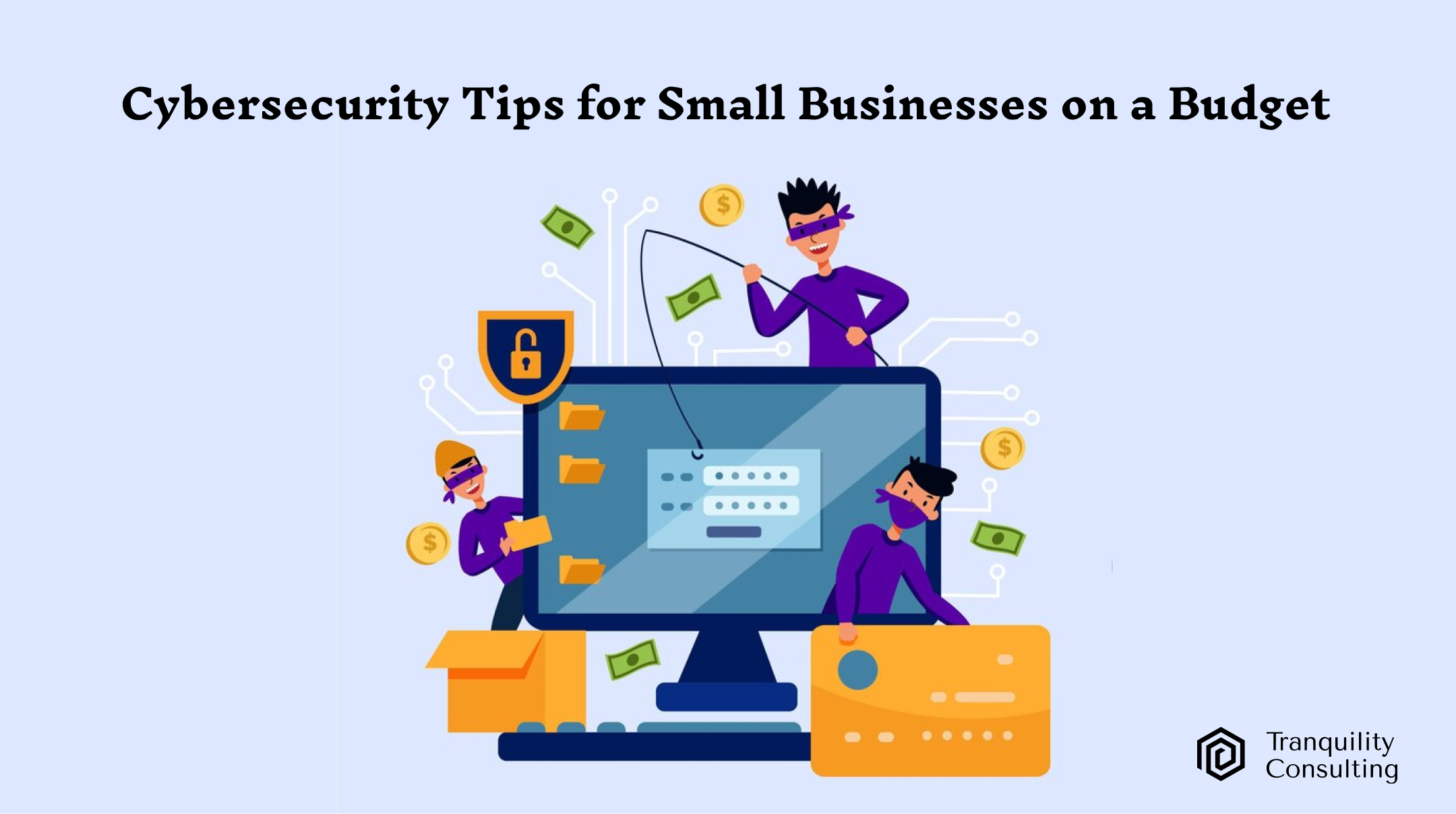
Understanding Advanced Cyber Threats
Advanced cyber threats are becoming more frequent and sophisticated. These threats target businesses of all sizes, often using complex methods to bypass traditional defenses. Attackers may use tactics like phishing, ransomware, and advanced persistent threats to access sensitive information. In recent years, cybercriminals have also begun using artificial intelligence to automate attacks and identify vulnerabilities more quickly. This makes it harder for companies to identify and stop threats before damage is done. Businesses need to stay informed about new attack methods and understand that no organization is too small to be targeted.
The Role of Cybersecurity in Business Operations
Strong cybersecurity is essential for protecting a company’s data, reputation, and financial assets. The importance of cybersecurity for modern business operations cannot be overstated, as a single breach can disrupt services and erode customer trust. It is essential for businesses to assess their risks and establish a robust security posture. According to the Cybersecurity & Infrastructure Security Agency, businesses should follow a layered approach to security for greater protection. For more information, please visit the official CISA website. Beyond direct loss, companies may face legal penalties and regulatory fines after a data breach. Customers increasingly expect organizations to safeguard their information, so a strong security program is also a competitive advantage.
Developing a Comprehensive Security Policy
Every business should have a written security policy in place. This policy outlines how data is protected, who has access, and the steps to take in the event of a breach. Employees must be trained on these policies to ensure everyone understands their role in maintaining data security. Regular reviews and updates are necessary as threats evolve.
Security policies should include guidelines for the use of company devices, handling sensitive data, and reporting suspicious activity. Companies also need to define acceptable use of email, internet access, and personal devices. Clear policies make it easier to enforce rules and respond quickly during a crisis.
Employee Training and Awareness
Human error is a leading cause of security incidents. Regular training helps employees recognize phishing emails, suspicious links, and unusual requests. Simulated phishing exercises can prepare staff for real-life scenarios. The Federal Trade Commission offers guidance on training programs.
Training should be ongoing to keep up with new threats and technology. Encourage a culture where employees feel comfortable reporting mistakes or potential risks without fear of punishment. This helps organizations catch problems early and prevent bigger issues.
Implementing Strong Access Controls
Access to sensitive data should be limited to only those who need it. Use multi-factor authentication and strong password policies to reduce the risk of unauthorized access. Monitor user accounts for unusual activity and update permissions regularly. The National Institute of Standards and Technology (NIST) provides recommendations for secure access management.
Role-based access controls ensure that employees only see the information necessary for their job. Regularly review who has access to critical systems, and remove access promptly when someone leaves the company or changes roles.
Regular Software Updates and Patch Management
Outdated software is a common entry point for attackers. Businesses must keep operating systems, applications, and security tools up to date. Automated patch management systems can help ensure critical updates are not missed. Schedule regular audits to identify and address vulnerabilities in your software stack.
Some attacks exploit known weaknesses that have already been fixed by software vendors, so timely updates are essential. Document your update process and set reminders for all devices, including mobile phones and tablets.
Data Encryption and Backup Strategies
Encrypting sensitive data protects it from unauthorized access, even if it is stolen. Regular backups are also essential. Store backups in secure, offsite locations and test them routinely. This ensures data can be restored quickly after an incident, minimizing downtime and loss. Encryption should be used for data at rest, such as files stored on hard drives, and data in transit, like emails or files sent over the internet. Consider using cloud storage solutions that offer built-in encryption and backup options. For more information on encryption best practices, visit the U.S. Department of Homeland Security.
Incident Response Planning
A well-defined incident response plan enables businesses to act quickly in the event of a cyberattack. Assign clear roles and responsibilities, and outline steps for detection, containment, and recovery. Conduct regular drills to ensure everyone knows their tasks. Document lessons learned after each incident to improve future responses.
Your plan should also include contact information for key personnel, external partners, and law enforcement. Quick communication can help minimize damage and speed up recovery. Consider involving legal and public relations experts in your planning process.
Vendor and Third-Party Risk Management
Vendors and partners can pose security risks if their systems are compromised. Assess the cybersecurity practices of all third parties before granting them access to your network. Include security requirements in contracts and monitor compliance regularly. Ask vendors about their own incident response plans and how they handle data protection. The Better Business Bureau offers additional guidance on managing third-party risk. Regularly review your vendor list and limit access to only what is necessary for each partner.
Physical Security and Device Protection
While most threats are digital, physical security should not be overlooked. Secure offices, server rooms, and areas where sensitive data is stored. Utilise security cameras, badge access systems, and visitor logs to track who enters your facilities. Protect devices such as laptops, smartphones, and USB drives by keeping them locked when not in use.
Encourage employees to avoid leaving devices unattended in public places. Consider using tracking software to locate lost or stolen devices and remote wipe capabilities to erase sensitive data if needed.
Cyber Insurance as a Safety Net
Cyber insurance can help businesses recover from the financial impact of a cyberattack. It may cover costs like data recovery, legal fees, and customer notification. Policies vary, so it is important to understand what is covered and what is not.
Cyber insurance does not replace strong security practices, but it can provide support in the aftermath of an incident. Work with a trusted advisor to assess your risks and determine the right coverage for your business size and industry.
Maintaining Compliance with Regulations
Many industries are subject to regulations that require specific cybersecurity measures. Examples include HIPAA for healthcare, PCI DSS for payment card data, and GDPR for businesses handling EU citizen data. Non-compliance can result in hefty fines and legal consequences. Stay up to date with changing laws and industry standards.
Work with legal and compliance experts to ensure your security policies meet all relevant requirements. Regular audits and documentation are essential for proving compliance during inspections or investigations.
Conclusion
Advanced cyber threats require a proactive and structured approach to cybersecurity. By establishing robust policies, training employees, and utilising modern tools, businesses can mitigate risks and safeguard their vital assets. Regular reviews and updates are key to staying ahead of evolving threats. Remember, cybersecurity is an ongoing process and requires commitment at every level of the organization.
FAQ
What are advanced cyber threats?
Advanced cyber threats employ sophisticated tactics to circumvent traditional security measures, frequently targeting sensitive business data.
How often should businesses update their security policies?
Security policies should be reviewed and updated at least annually, or whenever there are significant changes in the threat landscape.
Why is employee training important for cybersecurity?
Employees are often the first line of defense. Training helps them recognize and respond to threats, reducing the risk of breaches.
