

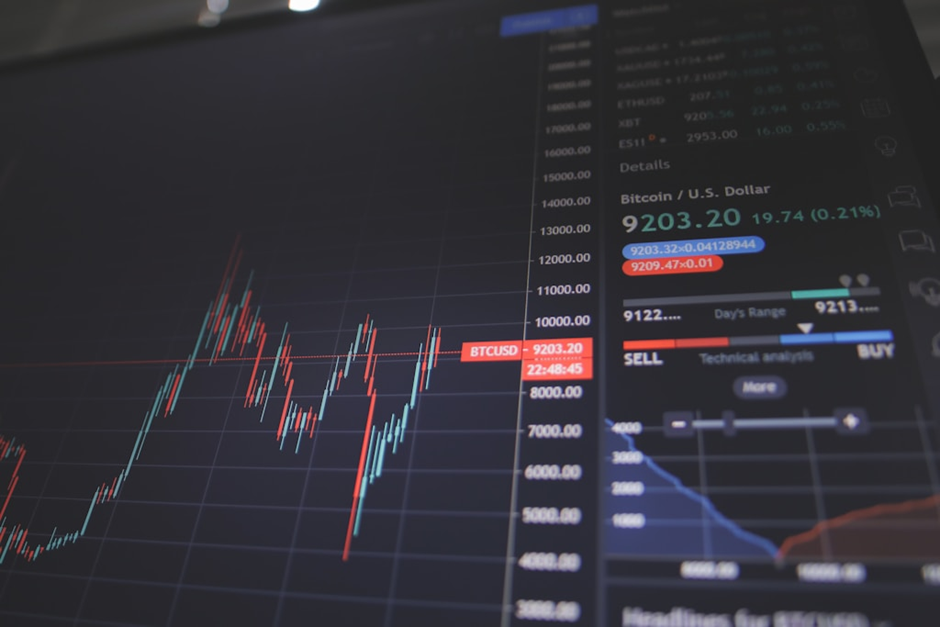
Depth describes how much volume a broker can execute close to the best bid and ask, across several price levels at once. It measures executable size, not how many symbols sit on a price list: a feed can list hundreds of instruments and still go thin once an order exceeds the top of the book. See where it matters in real trading!
Depth at a glance:
- Executable volume across several levels matters more than the symbol count.
- Spread stability under load shows whether quotes hold as order size grows.
- Latency shapes how often a quote is still valid at the matching engine.
- Routing transparency lets a broker see where each fill comes from.
What does ‘deep’ liquidity actually mean?
Deep liquidity means there is enough resting volume near the top of the book to absorb larger trades without moving the price far. A sizeable order then fills across a few tight levels rather than sweeping through gaps, which brokers feel as lower market impact. Anyone comparing forex and CFD liquidity should ask how much volume sits at each level, since a single shallow stream behaves very differently from an aggregated book.
How is market depth measured?
Market depth is read level by level: each tier shows the price and the volume available there, so a provider quoting ten levels exposes far more of the book than one showing only the best quote. FX-EDGE, for example, publishes pricing across multiple asset classes on a single account, a broader view than a top-of-book snapshot.
| Depth level | What it shows |
| Top of book | Best bid and ask, plus volume tradable at that price |
| Inner levels | How fast price moves once the top tier is consumed |
| Deeper tiers | Capacity to absorb larger orders with limited impact |
Why do spreads stay tighter in a deep market?
Spreads stay tighter when competing volume keeps the bid-ask gap small, even as order sizes rise. In a thin book, a modest trade clears the best level and forces the next fill at a worse price. Pricing from around 0.1 pip is a claim brokers can verify, but stability under real volume matters as much as the starting number.
How does latency affect execution quality?
Latency decides whether a quote is still valid by the time an order reaches the venue. When the round trip is slow, prices go stale, and stale quotes lead to slippage and rejected trades. Low-latency routing keeps the quoted price closer to the price the client actually receives.
Why does routing transparency matter?
Routing transparency lets a broker see which source filled each order and how liquidity is combined, rather than trusting a single opaque stream. Some providers add a monitoring layer: FX-EDGE runs a real-time risk system, HawkEye, that classifies order flow and separates standard activity from toxic flow before it reaches the book.
What should brokers check before trusting a feed?
Brokers should test depth at realistic trade sizes, watch how spreads behave under load, and confirm how routing is disclosed rather than rely on a headline instrument count. Depth, latency and transparency travel together.
FAQ: depth, spreads and execution
Is a high number of instruments the same as deep liquidity?
No, the two are not the same. Depth is about executable volume at each price level, while the instrument count only describes how many markets are listed.
Does deep liquidity guarantee tighter spreads on every trade?
Deep liquidity makes tighter spreads more likely because competing volume holds the bid-ask gap together, but no provider can guarantee a fixed spread.
Why does latency belong in a discussion about liquidity?
Latency belongs here because depth only helps if orders reach available volume before quotes go stale, so a deep book with slow routing still produces slippage.
