

Digital commerce has changed dramatically over the past decade. Businesses are no longer limited to selling through a single website or marketplace. Customers interact with brands through mobile apps, social platforms, marketplaces, smart devices, and multiple digital touchpoints. Traditional ecommerce systems often struggle to keep up with this growing complexity. As a result, many companies are turning to headless commerce powered by a modern commerce engine to create faster, more flexible digital experiences.
Headless commerce is quickly becoming a preferred architecture for companies that want to scale, innovate, and respond quickly to customer expectations. What this really means is that businesses are separating the front end of their ecommerce experience from the backend systems that manage products, orders, and transactions.
Let’s break down why organizations are increasingly adopting headless commerce and how a powerful B2B commerce platform combined with an advanced commerce engine is transforming the future of digital selling.
Understanding Headless Commerce
Traditional ecommerce platforms operate with tightly connected systems. The front-end interface and the backend commerce system are deeply integrated, which makes customization slow and complex. Any change to the user interface often requires backend adjustments, making innovation time-consuming.
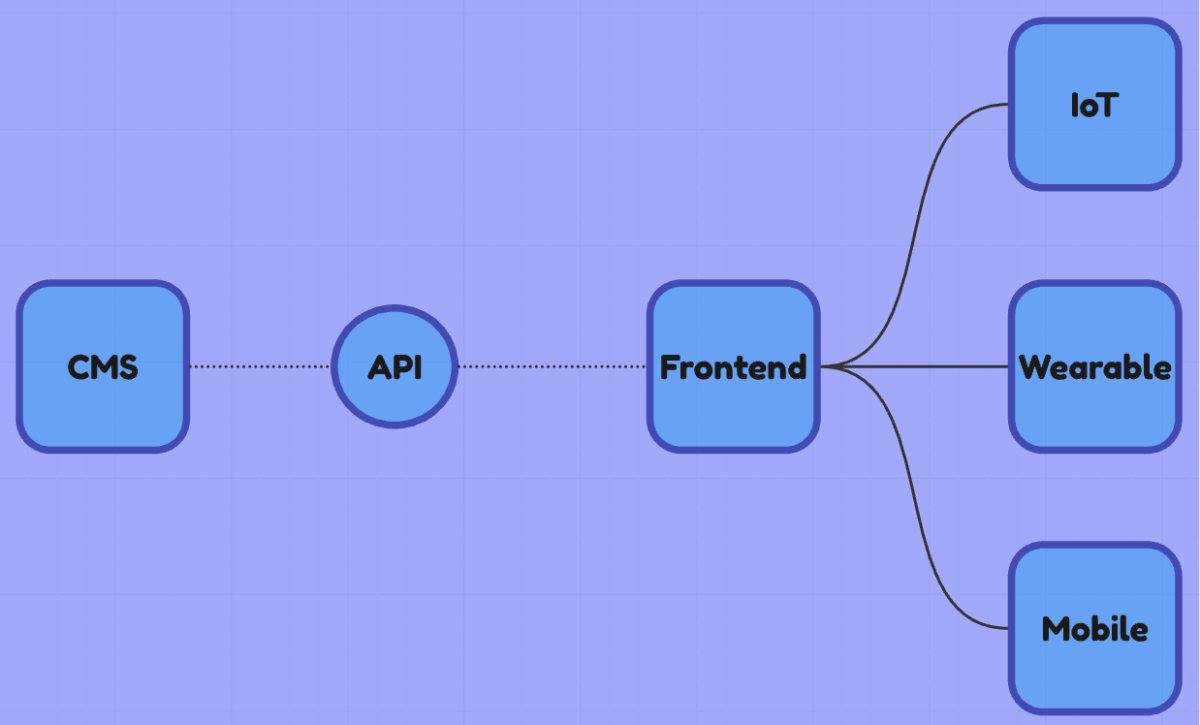
Headless commerce removes this limitation. In a headless architecture, the frontend and backend are separated. The frontend communicates with the backend through APIs, allowing businesses to design any customer experience they want while still using a powerful backend commerce engine to manage operations.
This separation offers greater freedom. Businesses can build customized shopping experiences across multiple channels without constantly modifying their backend systems.
The Growing Need for Flexible Commerce Systems
Modern buyers expect seamless digital experiences across all platforms. Whether a customer interacts with a brand through a website, mobile app, social media store, or voice assistant, the experience must remain consistent and responsive.
Traditional platforms were not designed for this level of complexity. They were built primarily for website-based transactions. Today, businesses require systems that support omnichannel selling.
A modern B2B commerce platform powered by a strong commerce engine allows organizations to manage product catalogs, pricing, inventory, and transactions across multiple digital environments. This flexibility is one of the main reasons companies are transitioning to headless commerce.
Faster Innovation and Development
One of the biggest advantages of headless commerce is development speed. Since the frontend and backend operate independently, development teams can work on user experience improvements without affecting the backend infrastructure.
This flexibility allows businesses to experiment with new digital features quickly. Companies can launch new storefronts, redesign interfaces, or introduce new digital channels without disrupting existing operations.
For example, if a business wants to launch a mobile shopping app or integrate with a social commerce platform, a headless commerce engine makes it possible without rebuilding the entire ecommerce system.
This faster innovation cycle gives companies a competitive advantage in rapidly evolving digital markets.
Better Customer Experiences Across Channels
Customer expectations are higher than ever. Buyers want personalized experiences, faster checkout processes, and consistent interactions across all platforms.
Headless commerce enables businesses to create tailored customer journeys. The frontend can be designed specifically for each channel while the backend commerce engine ensures consistent product data, pricing, and inventory management.
For instance, the user experience on a mobile app may be completely different from the desktop website. At the same time, both channels can rely on the same B2B commerce platform to handle transactions and order management.
This approach allows brands to deliver seamless, engaging digital experiences without compromising operational efficiency.
Stronger Integration with Marketing Systems
Marketing automation has become essential for modern businesses. Companies rely on data-driven campaigns to reach customers at the right time with personalized offers.
Headless commerce systems integrate easily with marketing tools that manage automated marketing campaigns. Because the backend commerce engine exposes data through APIs, marketing platforms can access customer insights, purchase history, and product information in real time.
This integration allows businesses to build highly targeted automated marketing campaigns that improve engagement and increase conversions.
For example, a company can trigger automated email campaigns based on browsing behavior, abandoned carts, or repeat purchases. The marketing system pulls this data directly from the commerce platform, creating highly personalized marketing experiences.
Scalability for Growing Businesses
As businesses grow, their ecommerce needs become more complex. They may expand into new markets, launch additional digital channels, or manage larger product catalogs.
Traditional ecommerce platforms often struggle to scale efficiently. Upgrading systems or expanding functionality can require significant restructuring.
Headless commerce solves this problem by offering modular architecture. A flexible commerce engine allows businesses to add new capabilities without replacing the entire system.
A scalable B2B commerce platform supports advanced pricing models, bulk orders, multi-currency transactions, and global distribution networks. This scalability makes headless commerce particularly attractive for companies experiencing rapid growth.
Improved Performance and Speed
Website performance plays a critical role in customer satisfaction and conversion rates. Slow-loading websites can lead to lost sales and reduced engagement.
In traditional ecommerce systems, performance can suffer because the frontend and backend are tightly connected. Headless commerce improves performance by allowing developers to optimize the frontend independently.
This means businesses can use modern frameworks, content delivery networks, and performance optimization techniques without affecting the backend commerce engine.
Faster load times, smoother navigation, and improved mobile performance all contribute to better customer experiences and higher conversion rates.
Future-Proof Digital Commerce
Technology is evolving quickly. New digital channels, devices, and customer expectations continue to emerge.
Businesses that rely on rigid ecommerce systems may struggle to adapt to these changes. Headless commerce provides a future-ready architecture that supports ongoing innovation.
Because the frontend and backend are independent, companies can adopt new technologies without replacing their core commerce engine. Whether it involves integrating new payment methods, launching AI-powered product recommendations, or connecting with emerging sales channels, headless systems make adaptation easier.
This flexibility helps businesses remain competitive in rapidly changing digital environments.
Why Commerce Engines Are Central to Headless Commerce
At the heart of every headless commerce architecture is a powerful commerce engine. This system manages critical ecommerce functions such as product data, inventory management, order processing, pricing logic, and transaction workflows.
The commerce engine acts as the operational backbone while the frontend focuses on delivering engaging customer experiences.
When combined with a robust B2B commerce platform, businesses gain the ability to manage complex transactions, automate processes, and integrate seamlessly with marketing tools that run automated marketing campaigns.
This combination allows organizations to build modern digital ecosystems that support both B2C and B2B commerce operations.
Conclusion
Headless commerce is rapidly becoming the preferred architecture for businesses that want greater flexibility, faster innovation, and improved digital experiences. By separating the frontend from the backend, companies can build customized customer journeys across multiple channels without compromising operational efficiency.
A modern commerce engine combined with a scalable B2B commerce platform provides the foundation for managing complex ecommerce operations while supporting powerful integrations such as automated marketing campaigns.