

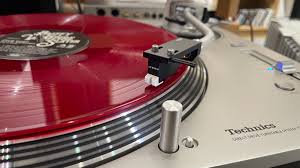
In an age dominated by streaming platforms and digital downloads, Vinyl Record Production: has surprisingly re-emerged as a powerful force in the music industry. What was once considered outdated is now a symbol of authenticity, nostalgia, and premium sound quality. Artists, collectors, and even casual listeners are turning back to vinyl—not just for the music, but for the experience that digital formats simply cannot replicate.
The Revival of Vinyl in a Digital World
The resurgence of vinyl records is not just a trend—it’s a cultural shift. While platforms like Spotify and Apple Music offer convenience, they lack the tangible and immersive qualities that vinyl delivers. Holding a record, placing it on a turntable, and hearing that subtle crackle before the music begins creates a ritual that listeners deeply value.
For artists, vinyl offers something even more important: a way to connect with audiences on a deeper level. Limited-edition pressings, unique artwork, and collectible formats transform music into a physical product that fans can cherish. This emotional connection is one of the main drivers behind the growth of Vinyl Record Production.
What Is Vinyl Record Production?
At its core, Vinyl Record Production: is the process of transforming audio recordings into physical records that can be played on turntables. While it may sound straightforward, the process is highly specialized and requires precision at every stage.
Here’s a simplified breakdown:
- Audio Mastering for Vinyl – Unlike digital mastering, vinyl mastering requires adjustments to ensure the audio translates well to a physical format.
- Lacquer Cutting – The mastered audio is etched onto a lacquer disc using a cutting lathe.
- Electroplating – The lacquer is used to create metal stampers that will press the records.
- Pressing – Heated vinyl is pressed between stampers to form the final record.
- Packaging – Records are packaged with sleeves, inserts, and artwork.
Each step plays a critical role in ensuring the final product delivers the warm, rich sound vinyl is known for.
Why Vinyl Sounds Different
One of the biggest reasons behind the popularity of vinyl is its unique sound profile. Unlike compressed digital audio files, vinyl records capture a fuller range of frequencies. This results in what many describe as a “warmer” and more natural listening experience.
Vinyl also introduces subtle imperfections—like pops and crackles—that add character rather than detract from the experience. For many listeners, these elements make the music feel more alive and authentic.
Benefits of Vinyl Record Production for Artists
For musicians and record labels, Vinyl Record Production offers several strategic advantages:
1. Premium Branding
Vinyl records are often seen as high-value products. Releasing music on vinyl can elevate an artist’s brand and position their work as something special.
2. Higher Revenue Potential
Compared to digital streams, vinyl records can generate significantly higher profit margins per unit sold. Limited editions and special releases often sell at premium prices.
3. Fan Engagement
Vinyl creates a deeper emotional connection with fans. Signed copies, colored vinyl, and exclusive artwork turn albums into collectible items.
4. Longevity
Digital trends come and go, but vinyl has proven its staying power. Investing in vinyl production ensures your music remains relevant across generations.
Challenges in Vinyl Record Production
While the benefits are clear, Vinyl Record Production is not without its challenges:
- Long Production Times – Due to high demand, pressing plants often have extended turnaround times.
- Higher Initial Costs – Producing vinyl requires more upfront investment compared to digital releases.
- Technical Limitations – Not all audio translates perfectly to vinyl, requiring specialized mastering.
However, for many artists, the rewards far outweigh these challenges.
The Role of Technology in Modern Vinyl Production
Interestingly, modern technology has enhanced Vinyl Record Production rather than replacing it. Advanced cutting equipment, improved materials, and better quality control processes have elevated the overall standard of vinyl records.
Additionally, many artists now use digital tools for recording and mixing before transferring their work to analog formats. This hybrid approach combines the best of both worlds—precision and warmth.
How to Get Started with Vinyl Record Production
If you’re considering producing vinyl records, here are a few steps to guide you:
- Prepare Your Audio – Work with professionals who understand vinyl mastering.
- Choose a Pressing Plant – Research reputable manufacturers with proven quality.
- Decide on Specifications – Select record size, weight, color, and packaging options.
- Plan Your Budget – Account for production, shipping, and marketing costs.
- Market Your Release – Build anticipation through pre-orders and exclusive drops.
Taking a strategic approach ensures your vinyl release is both successful and profitable.
The Future of Vinyl Record Production
The future of Vinyl Record Production looks incredibly promising. As consumers continue to seek authentic and meaningful experiences, vinyl stands out as a format that delivers both. Its blend of nostalgia and quality makes it uniquely positioned in a crowded digital market.
Major artists are increasingly including vinyl in their release strategies, while independent musicians are using it to differentiate themselves. This growing demand suggests that vinyl is not just making a comeback—it’s here to stay.
Final Thoughts
Vinyl Record Production: represents more than just a method of creating music—it’s a return to craftsmanship, quality, and connection. In a world where everything is instant and disposable, vinyl offers something rare: a lasting, tangible experience.
For artists, it’s an opportunity to stand out. For listeners, it’s a chance to rediscover music in its most immersive form. And for the industry as a whole, it’s proof that sometimes, the old ways still have the most powerful impact.