

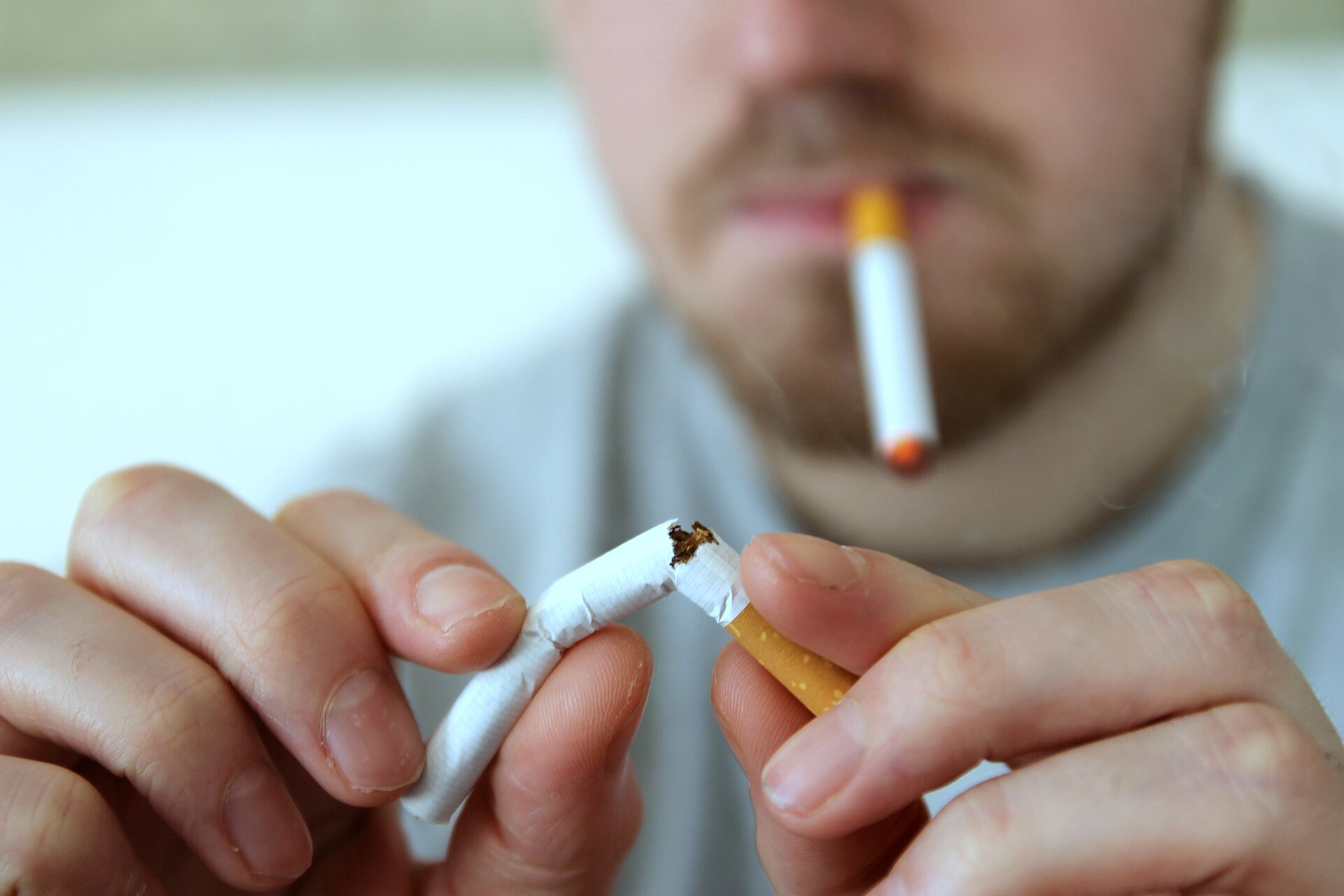
Few health topics generate more confident claims with less long-term data than vaping. Supporters point to the absence of tobacco combustion, critics point to toxic substances found in some aerosols, and in the middle sit former smokers who simply want to know what the evidence says about their own lung cancer risk.
Another layer of difficulty is the product itself. Devices vary enormously in power, coil materials and liquid composition, and informal or modified products add further unknowns. A finding from one device generation may not apply to the next, which is why reviews from bodies such as the Centers for Disease Control and Prevention tend to speak in careful general terms rather than naming products as safe or dangerous.
What the evidence shows so far
One finding that surprises many readers is how much behaviour matters. Studies of dual users, who smoke and vape in parallel, generally show little reduction in exposure to tobacco toxins, because even a few cigarettes a day sustain high levels of the most dangerous compounds. The benefit researchers observe is tied specifically to stopping cigarettes entirely, not to adding vaping alongside them.
More background is set out in our earlier coverage, which outlines what was known before the latest studies.
Practical guidance for former smokers
As research continues, one principle is unlikely to change: lungs recover best when nothing is inhaled beyond clean air. Electronic cigarettes may serve as a transitional tool for some adults leaving smoking behind, but the evidence available today supports treating them as exactly that, a transition, with medical guidance, screening where appropriate, and a clear intention to keep moving toward lower exposure.
It is also fair to ask what role personal tracking can play. Some former smokers find it useful to note how much liquid or how many pods they use each week, because consumption can creep upward unnoticed, raising both nicotine dependence and total aerosol exposure. A simple record turns an invisible drift into a visible number that can be deliberately reduced, strength by strength or day by day. Clinicians who work in cessation often recommend exactly this kind of self-monitoring, borrowed from the behavioural techniques that help people quit smoking itself. Small, measured reductions sustained over months achieve what abrupt attempts often cannot, and they keep the former smoker in control of the process rather than at the mercy of habit.
Regulation, research and the wider picture
The social dimension of vaping after quitting deserves a mention as well. Former smokers frequently describe the e-cigarette as preserving rituals, the break at work, the object in the hand, the pause after a meal, that cigarettes once structured, and many credit that continuity with keeping them away from tobacco during stressful periods. Behavioural scientists recognise this as a genuine mechanism, not a trivial detail, because relapse to smoking is the single largest risk a quitter faces. The implication cuts both ways, though. A tool that works by preserving the habits around nicotine can also entrench those habits indefinitely, making the final step away from nicotine harder to take. Psychologists who work in cessation services therefore tend to support vaping as a bridge while actively helping clients plan the crossing, setting review points and alternative coping strategies. Used with that kind of structure, the evidence suggests, an e-cigarette is far more likely to remain a temporary aid than to harden into a permanent substitute habit.
The bottom line on vaping and lung cancer
There is a temptation, in a contested field, to wait for perfect information before acting. With lung cancer, waiting is itself a decision, and usually the worst one available, because the largest risk factor is the one that can be removed today. The former smokers who fare best in the data are not those who found the perfect substitute; they are those who stopped smoking earliest and stayed stopped. E-cigarettes, for some, are the tool that finally made that possible, and acknowledging their usefulness in that role does not require exaggerating their safety. Both halves of that sentence matter. The years ahead will tell us how large the residual risk of long-term vaping is, and current users will be part of that story either way. Choosing to be in the group that used vaping as a bridge, kept medical follow-up current and stepped off nicotine when ready is the choice most aligned with the evidence as it stands, and it will remain defensible whatever the long-term studies eventually find.
Readers who want to explore the official guidance directly can visit the World Health Organization, where its reports track how vaping products are regulated across different health systems.
