

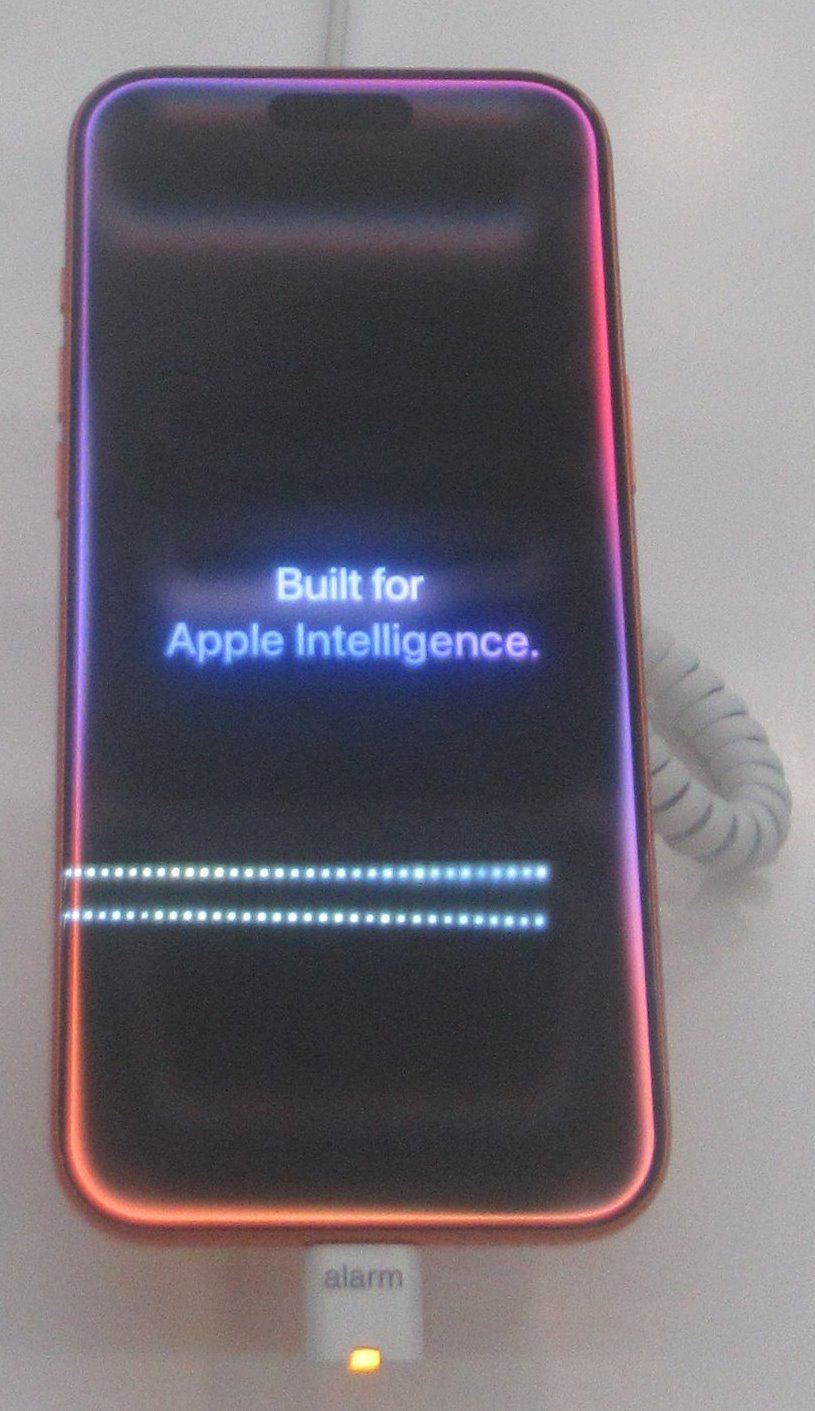
The latest smartphone processors include dedicated sections designed to handle artificial intelligence tasks directly on the device, allowing photo editing, voice transcription, and translation features to work faster and often without an internet connection. Chip designers say running these tasks locally can also improve privacy, because images and recordings do not always need to be sent to distant servers for processing. Manufacturers are using the extra capability for features such as removing unwanted objects from photographs, summarising long voice notes, and improving low light images. Reviewers note that real world benefit depends on software design as much as raw chip power, so results vary between models.
What the Evidence Shows
Energy efficiency is a major focus for engineers, since intensive processing can drain batteries and generate heat in a thin device. Modern chips therefore schedule tasks carefully, using the specialised AI section only when it offers an advantage and falling back to other parts of the processor when that is more efficient. Developers are gradually updating popular applications to take advantage of on device processing, which may reduce delays for everyday tasks in areas with poor mobile coverage. As these chips become standard in mid range phones as well as premium models, features that once required a fast connection are likely to become part of ordinary mobile use. Reporting and analysis from sources such as IEEE Spectrum track the same developments, and specialists following smartphone AI chip features say the direction is now consistent across independent lines of evidence.
The Wider Context
Adoption of smartphone AI chip features follows a familiar pattern with an unfamiliar speed. Early users tolerate rough edges in exchange for advantage, mainstream users arrive when the tool disappears into existing workflows, and the market consolidates around whoever made that transition feel effortless. Vendors are racing less on raw performance now than on integration, support and trust.
What Happens Next
The realistic forecast for smartphone AI chip features is steady integration rather than sudden replacement: embedded in products people already use, improving in increments, and regulated in proportion to its reach. The companies and institutions that plan on that basis, training staff and redesigning processes instead of chasing launches, are the ones the adoption data tends to vindicate. You can follow related developments in our coverage of technology.
It is also worth remembering how quickly the picture in this area has changed before. Positions that looked settled a few years ago have been revised as new data arrived, and the same humility is appropriate now. The strongest coverage of this subject, and the most useful advice, tends to come from sources that update their views openly when the facts move, rather than defending an earlier position long after it has stopped fitting the evidence available.
None of this will be settled by a single announcement, study or product launch. The pattern to watch is accumulation: independent confirmations, honest reporting of failures and steady improvement in the underlying numbers. Readers who follow those signals, rather than the loudest claim of the week, will understand this subject better than most of the commentary surrounding it suggests is possible.
