

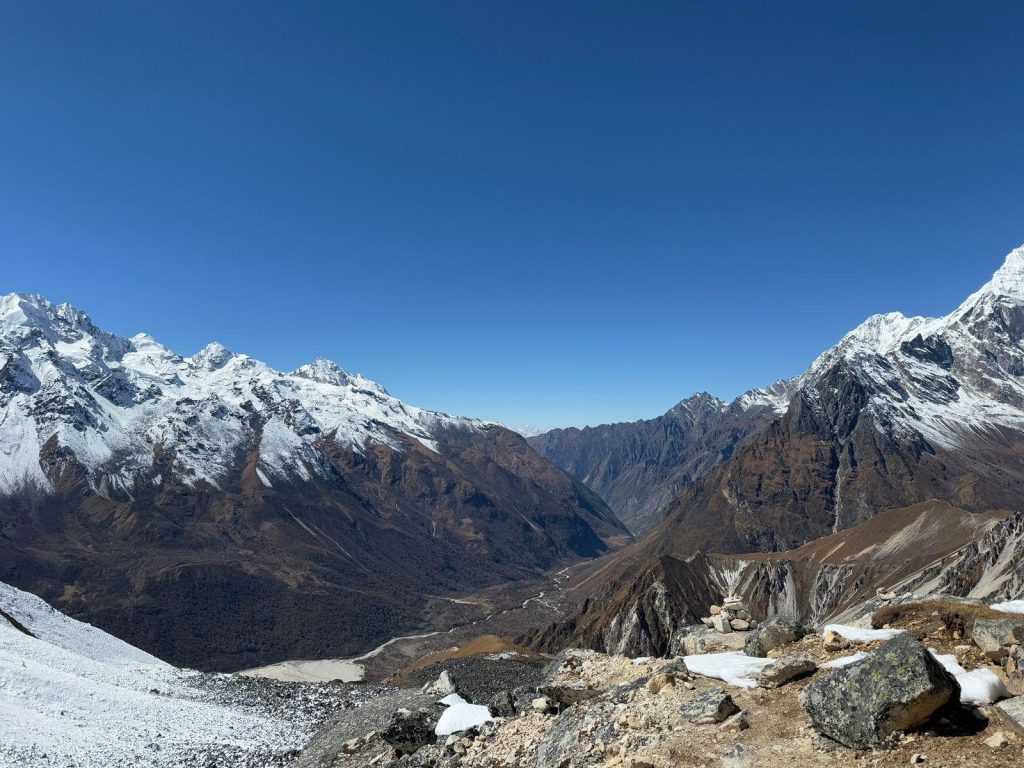
High up on the trail to Everest Base Camp, the sky feels lighter, though that lightness comes at a cost. Moving through Nepal’s Himalayas means facing air that gives less with each step upward. Often called the EBC route, this path leads deep into Khumbu, where every mile climbed brings fewer oxygen molecules per lungful. With height, breaths grow shallow not by choice but by necessity. Body strength dips when air thins – this much becomes clear fast.
Climbers notice it first in their pace, then in how stairs feel like walls. What seems gentle lower down turns heavy higher up. Oxygen slips away when muscles need it most. Out on the trail, thin air hits harder than most expect. When you give your body time to adjust, the walk to Everest Base Camp feels steadier, clearer. Views from spots like Kala Patthar come into focus when breathing stays under control.
Thinning Air at High Altitudes in Nepal Trekking
Up there on the way to Everest Base Camp, each breath pulls in thinner air – oxygen pressure drops steadily the higher you go through the Khumbu Valley. Sea level feels rich with oxygen compared to what waits uphill; climbing means fewer molecules per lungful, slowing how well your system can soak them up. Once past 2,500 meters, sometimes sooner, bodies start reacting -Nepal’s trails are known for that.
Breathing picks up pace without warning, pulses run stronger, energy dips: signs woven into the rhythm of moving upward.
Rising Slowly to Adjust to High Altitude
Most people find success on the Everest Base Camp Trek by rising slowly through the landscape. As you move higher into the Khumbu, air loses oxygen fast – that shift demands patience. Sudden climbs often bring trouble, so smart pacing becomes essential here. Route plans across high trails in Nepal are built in small steps upward each day. This rhythm gives the blood and lungs space to change gradually. Stopping fully at certain points makes breathing steadier over time. Most people find it easier when changes happen slowly. Moving up at a steady rhythm helps travelers feel better along the way. The body handles lower oxygen levels more smoothly because of it. Safety grows stronger the same way strength does – step by step.
Breathing Methods for High Altitude Hiking
Air gets thinner on the Everest Base Camp Trek, making it harder to breathe. At higher spots across Nepal, each breath pulls in less oxygen, causing people to pant without noticing. Still, taking long draws through the nose, then releasing slowly, can boost how much oxygen enters the blood. This kind of breathing eases tiredness while moving through places like Khumbu.
Some walkers match their inhales and exhales to their steps, finding a pace that keeps effort steady. Over time, the lungs adjust, working differently than at sea level. Rhythm matters more when trails climb sharply under open sky. Heavy breaths, slow and steady, ease tension while boosting stamina where oxygen runs low. Up high near Everest Base Camp, how you breathe shapes both endurance and relief when air thins without warning.
How Acclimatization Breaks Help the Body Adjust to Less Oxygen
Most people heading up toward Everest Base Camp need breaks to handle the thinner air. When you reach the Khumbu area, stopping awhile helps your system get used to less oxygen. A key spot for this pause is Namche Bazaar – many stay longer there so their lungs can adjust smoothly. These built-in pauses on Nepali mountain routes aim to keep climbers safe from altitude problems. While walking to base camp, taking time off boosts red blood cells, which carry oxygen more effectively through the body. Stopping at times lets the body adapt when the air gets thinner. Because of these breaks, energy stays up, stamina holds steady, and one is one step closer to base camp without risk of building too fast.
Training the Body for High Altitude Breathing
Getting your body ready matters when heading into low-oxygen zones like the ones on the Everest Base Camp Trek. At higher elevations in Nepal, much less oxygen reaches the lungs, so being in shape makes motion simpler. Building power and heart-lung stamina ahead of time boosts how well the frame uses constrained oxygen. When you reach the Khumbu location, a fitter system adjusts more quickly to transferring breath needs. Taking walks uphill, stepping on stairs, or long-distance runs educate both breathing intensity and lasting strength. Staying consistent on rocky Himalayan paths becomes less difficult when your center is strong. When lungs are fighting for little oxygen, heading closer to Everest Base Camp, a fit frame copes tons higher.
Staying Hydrated, Eating Well, and Recovering at High Altitudes
Most people overlook how quickly breath turns into vapor up there. Staying hydrated means blood carries oxygen more easily through the thin spaces between thoughts of home. A steady drip of water matters, since lungs drain fluids twice as fast when each inhale scrapes like sand. Meals built on grains and roots keep legs moving past prayer flags fluttering above boulders. When the air thins near Lobuche, food with heavy carbs burns cleaner than dense proteins.
Energy stays longer when digestion does not fight for every molecule. Somewhere beyond Dingboche, rhythm replaces struggle – one step tied to sips, another to bites. Rest matters just as much as movement when climbing toward Everest Base Camp. When days involve hours of uphill walking, the body needs downtime to regain energy. Skipping real recovery makes it harder to cope with less oxygen over time. Healing happens during stillness, not constant push. Thin air tests everyone differently, yet few prepare for how tiring rest truly is.
Adapting to Thin Air at Everest Base Camp
Most people do not realize how fast the air changes once trails start climbing above forests. As oxygen drops through the Khumbu valleys, breath grows short, thoughts slow down – this tests anyone moving uphill on foot. Going up step by step gives lungs time to adjust; pausing at certain villages works even better when paired with steady rhythms of inhale-exhale patterns.
Even muscles respond differently if trained before departure from lower lands. Settlements such as Namche become invisible anchors where bodies reset their balance without noticeable effort. Starting strong on the EBC trail means drinking enough water, eating well, resting properly, yet staying sharp mentally – each part plays a role when the air gets thin. Moving forward carefully lets people reach Everest Base Camp without rushing, noticing peaks, valleys, and quiet moments along the way.
