

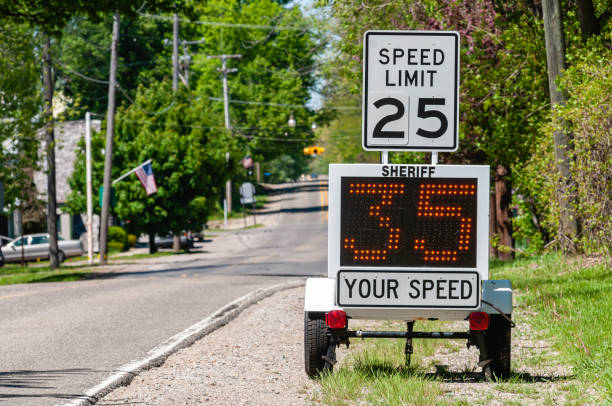
Speeding is one of the leading contributors to traffic crashes worldwide. Whether on residential streets, school zones, or busy urban corridors, excessive speed reduces reaction time and increases the severity of collisions. Radar speed signs have emerged as a practical, cost-effective solution to address this persistent problem. By providing real-time feedback to drivers, these signs encourage voluntary speed reduction and promote safer driving behavior.
This article explores how radar speed signs work, why they are effective, and how they contribute to improved traffic safety in different environments.
What Are Radar Speed Signs?
Radar speed signs are electronic traffic devices that detect approaching vehicle speeds and display them to drivers in real time. Unlike static speed limit signs, which simply state the legal limit, radar speed signs interact with drivers by showing their current speed.
How They Work
Radar speed signs use Doppler radar technology to measure the speed of oncoming vehicles. When a vehicle approaches:
- The radar unit detects the vehicle’s speed.
- The sign displays the speed on a digital screen.
- If the vehicle exceeds the speed limit, the display may flash or change color to alert the driver.
This immediate feedback creates awareness and encourages drivers to adjust their speed accordingly.
The Psychology Behind Radar Speed Signs
Understanding why radar speed signs are effective requires examining driver behavior.
Real-Time Feedback Influences Behavior
Most drivers do not intentionally speed. Often, they are unaware of how fast they are traveling, especially on familiar roads. Radar speed signs act as a mirror, reflecting actual driving behavior. When drivers see their speed displayed prominently, they are more likely to self-correct.
This phenomenon is known as behavioral feedback. Immediate, visible feedback is far more impactful than delayed consequences like tickets or fines.
Social and Emotional Cues
Flashing displays or warning messages can trigger emotional responses such as surprise or concern. Even subtle cues—like a speed number turning red—can prompt drivers to slow down. The sign serves as a reminder that speed limits are actively monitored, even if enforcement officers are not present.
Reduction in Speeding Incidents
One of the primary benefits of radar speed signs is measurable speed reduction.
Lower Average Speeds
Studies and field implementations consistently show that radar speed signs reduce average vehicle speeds. Drivers approaching these signs often slow down immediately upon seeing their speed displayed.
Even modest reductions in speed can significantly reduce crash severity. For example, decreasing average speeds by just a few miles per hour can lower the likelihood of serious injuries in collisions.
Decrease in Repeat Speeding
Over time, radar speed signs can influence long-term driving habits. Regular exposure conditions drivers to anticipate feedback and maintain safer speeds, even when the sign is not actively in view.
Improved Safety in High-Risk Areas
Certain areas require heightened speed awareness due to increased pedestrian activity or complex traffic patterns.
School Zones
Children are among the most vulnerable road users. Radar speed signs placed near schools remind drivers to slow down, especially during arrival and dismissal times. The visual reinforcement enhances safety during critical hours.
Residential Neighborhoods
In residential areas, speeding vehicles pose risks to pedestrians, cyclists, and pets. Radar speed signs help address complaints from residents by calming traffic without requiring constant police presence.
Construction and Work Zones
Temporary speed reductions in work zones are often ignored by drivers. Portable radar speed signs provide a visible and immediate reminder, helping protect workers and motorists alike.
Enhanced Awareness Without Heavy Enforcement
Traditional traffic enforcement relies heavily on patrol officers and citations. While effective, this approach requires substantial resources.
Cost-Effective Alternative
Radar speed signs operate continuously without the need for staffing. Once installed, they provide ongoing speed monitoring and feedback at a fraction of the cost of regular enforcement patrols.
Non-Confrontational Approach
Unlike traffic stops or tickets, radar speed signs encourage voluntary compliance. Drivers can correct their behavior without facing penalties, reducing tension between motorists and law enforcement.
Data Collection and Traffic Analysis
Modern radar speed signs often include data collection capabilities.
Tracking Traffic Patterns
These signs can record:
- Vehicle counts
- Average speeds
- Peak traffic times
- Percentage of speeding vehicles
This data helps transportation planners identify problem areas and make informed decisions about infrastructure improvements or targeted enforcement.
Supporting Safety Initiatives
Communities can use collected data to justify additional safety measures, such as crosswalk enhancements, speed limit adjustments, or traffic calming installations.
Increased Driver Awareness and Accountability
Radar speed signs contribute to a culture of accountability on the road.
Immediate Self-Regulation
When drivers see their speed displayed publicly, even if anonymously, they become more conscious of their driving habits. This heightened awareness promotes self-regulation rather than forced compliance.
Reinforcing Speed Limits
Static speed limit signs can fade into the background over time. Radar speed signs renew attention by adding dynamic, interactive elements that drivers are more likely to notice.
Long-Term Community Benefits
The impact of radar speed signs extends beyond individual drivers.
Safer Streets for All Road Users
Reduced vehicle speeds benefit pedestrians, cyclists, and other motorists. Slower traffic allows for quicker reaction times and shorter stopping distances, minimizing crash risks.
Increased Public Confidence
When residents see proactive safety measures in their neighborhoods, it enhances trust in local traffic management efforts. Communities feel heard when speeding concerns are addressed with visible solutions.
Integration With Broader Traffic Calming Strategies
Radar speed signs are most effective when combined with other safety measures.
Complementary Infrastructure
They can work alongside:
- Speed humps
- Raised crosswalks
- Road narrowing
- Pavement markings
Together, these tools create a comprehensive traffic calming strategy that reinforces safe driving behavior.
Flexible Deployment Options
Radar speed signs can be permanent or portable. Portable units allow traffic authorities to rotate locations based on emerging safety concerns, maximizing impact across multiple sites.
Environmental and Energy Efficiency Considerations
Many radar speed signs operate using energy-efficient technology.
Solar-Powered Options
Solar-powered models reduce energy consumption and allow installation in remote areas without electrical infrastructure. This makes them environmentally friendly and cost-effective over time.
Low Maintenance Requirements
With durable components and minimal moving parts, radar speed signs typically require limited maintenance, ensuring consistent performance over extended periods.
Addressing Common Concerns
While radar speed signs are highly effective, some questions often arise.
Do Drivers Ignore Them Over Time?
Although some drivers may initially test the limits, ongoing exposure generally maintains reduced speed levels. Strategic placement and occasional relocation can help sustain effectiveness.
Are They a Replacement for Enforcement?
Radar speed signs are not intended to replace law enforcement entirely. Instead, they complement traditional enforcement by encouraging voluntary compliance and reducing the need for constant patrol presence.
Conclusion
Radar speed signs play a vital role in improving traffic safety by providing real-time feedback that encourages drivers to slow down. Through behavioral influence, increased awareness, and consistent visual reminders, these signs reduce speeding incidents and lower crash risks across various environments.
Their effectiveness in school zones, residential neighborhoods, and work areas highlights their value as a proactive safety solution. When combined with broader traffic calming strategies and data-driven planning, radar speed signs contribute to safer, more livable communities.
If you are exploring ways to reduce speeding and improve roadway safety in your area, Contact us to learn more about how radar speed signs can support your traffic safety initiatives.
