

Businesses of all sizes are rethinking how they manage who enters their buildings, offices, and restricted areas. As hybrid working becomes the norm and physical workplaces grow more complex, the technology behind securing those spaces has evolved significantly.
What Access Control Actually Means for Your Business
Many business owners associate security with locks and keys, but modern security management goes much further than that. Today, companies rely on intelligent systems that combine hardware, software, and data to control and monitor physical access in real time.
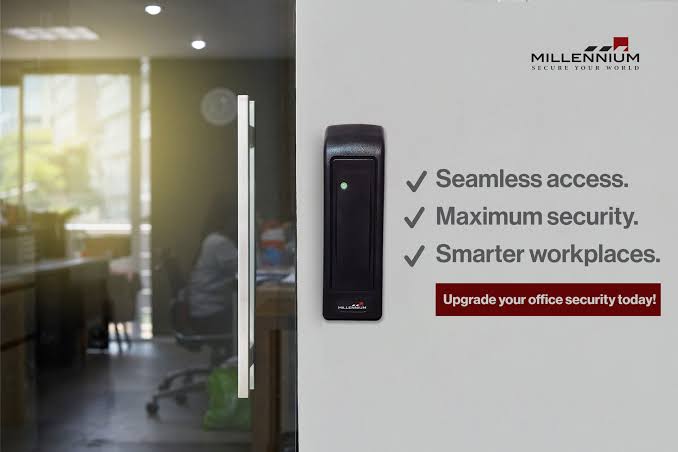
An Access control system is essentially the technology that determines who is allowed to enter a specific location and when. This can range from a single door in a small office to hundreds of access points across a large corporate campus. These systems use credentials such as key cards, mobile devices, or biometric data to verify identity and grant or deny entry accordingly.
For home-based business owners who also manage a physical workspace or share office facilities, understanding this technology is increasingly relevant. Even co-working spaces and small commercial offices are adopting these systems to improve both security and operational efficiency.
Why Smarter Security Supports Business Continuity
The real value of modern access control lies not just in keeping unauthorised people out, but in giving businesses greater insight and control over their premises. When an employee leaves the company, their access can be revoked instantly without changing physical locks. When a visitor arrives, temporary access can be granted and automatically expire after their appointment.
This level of control reduces risk and simplifies facility management. It also creates an audit trail, which is particularly useful for compliance purposes in regulated industries such as finance, healthcare, or data management.
Scalability is another key advantage. A small business can start with a basic setup and expand the system as the organisation grows, without replacing the entire infrastructure. This makes the investment far more sustainable in the long term.
Nedap Security Management is one example of a platform that helps organisations manage access across multiple locations through a single, centralised interface. For businesses operating across different sites or countries, this kind of unified approach significantly reduces administrative overhead.
Choosing the Right Approach for Your Situation
Not every business needs the same level of sophistication. The right access control setup depends on factors such as the size of your team, the sensitivity of the areas you need to protect, and whether you operate from a single site or multiple locations.
Key questions to ask before investing include:
- How many access points need to be managed?
- Do you need integration with other systems such as HR software or CCTV?
- Is cloud-based management a priority for your team?
Taking the time to map out your specific needs will help you avoid overspending on features you do not require, while still building a security foundation that can grow with your business.