

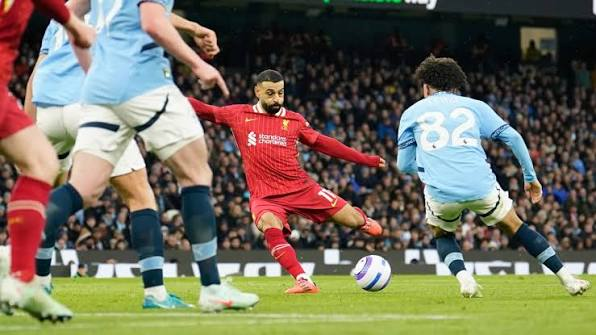
When a Premier League team changes its playing style clearly during a season, odds often move slower than the football itself, creating short windows where informed bettors can find mispriced lines. The 2012/13 campaign marked a point where intensity, pressing, and passing patterns accelerated across the league, and some clubs stood out either by evolving faster or by clinging to older approaches, which directly influenced totals, handicaps, and live betting dynamics.
Why Style Changes Matter More Than Reputation for Bettors
Bettors who rely on reputation—“this club is defensive,” “that side always attacks”—often lag behind actual tactical evolution, because coaches and squads adapt faster than public narratives. From 2006/07 to 2012/13, studies show that Premier League players increased high‑intensity running by roughly 30% and performed around 40% more passes, with pass success rising from 76% to about 84%, meaning matches became faster and more technically controlled even when average distance covered stayed stable. When a team’s internal shift pushes it toward this emerging league standard more abruptly than others, bookmakers’ baseline models can underestimate changes in shot volume, possession share, or defensive vulnerability, which creates short‑term edge for those who notice early.
League-Wide Evolution: The Background Against Which Individual Shifts Stand Out
Across the seven seasons leading into 2012/13, tactical research highlights that English clubs steadily moved away from long, direct passing toward short- and medium-range combinations with higher completion rates. This change coincided with a rise in explosive sprinting and high-intensity work without dramatically increasing total distance, implying that teams concentrated physical effort into pressing phases and quick possession exchanges rather than simple end‑to‑end running. In betting terms, that evolution altered typical match profiles: more structured possession for strong teams, potentially more late goals due to fatigue, and a different balance between favorites and underdogs depending on how quickly each side embraced or resisted modern pressure and ball circulation.
Because this backdrop affected all twenty clubs, the key betting question is not whether the league evolved but which teams shifted their style more sharply than the rest and when those changes became visible in data versus public perception. The larger the gap between actual behavior and remembered identity, the greater the chance that totals, handicaps, or “both teams to score” markets misprice risk in the short run.
Teams That Signaled Clear Tactical Adjustments
Not every club changed dramatically, but several sides either refined their pressing, adjusted formation patterns, or altered their attacking emphasis in ways that mattered for betting. Tactical analysis from that period highlights experiments around 4‑2‑3‑1, increased pressing against opposition build‑up, and movement toward more possession‑heavy structures at some clubs, while others remained closer to deep‑block, direct styles. The cause–outcome‑impact chain here is straightforward: altered shape and defensive behavior produce different shot maps and chance quality, which gradually shift expected goals and result distributions and, therefore, betting lines.
Mechanisms: Pressing, Passing, and Formations
One documented tactical adjustment at top clubs involved more aggressive play “against the ball,” pressing higher and disrupting build‑up rather than allowing opponents comfortable possession and then countering. Mechanically, this increases turnovers in advanced zones and compresses the pitch, which can lead to more chances for the pressing side but also expose its own defense if pressure is broken. Bettors who recognized early that a club had shifted into a more proactive pressing shape could anticipate higher‑variance scorelines, altered corner counts, and potentially more late goals, changing how they approached totals and both‑teams‑to‑score markets compared with prior seasons.
Translating Style Shifts into Concrete Betting Angles
For betting purposes, the value of style shifts lies in their measurable impact rather than their aesthetics. Once you identify a team moving toward short passing, higher pressing, or more compact defensive lines, you can track consequent changes in key metrics—shots, possession, pass success, high‑intensity actions—and adjust how you price their matches. The cause–effect sequence typically runs from tactical change to statistical trend, and only then to market movement, which creates a timing window where early adopters can exploit misalignment between numbers and odds.
Before listing concrete angles, it helps to note that not all shifts translate into simple “over” or “under” bets. Some clubs combine more possession with tightened defensive structures, reducing chaos and favoring controlled wins, while others increase pace without improving structure, leading to wild games where underdogs can exploit space. Distinguishing between these patterns requires mixing visual observation with data rather than relying solely on one source.
Illustrative style-related betting angles:
- High‑pressing favorites: increased shot volume and territorial dominance can support handicap lines and first‑half goal bets, especially against passive opponents.
- Possession-heavy but cautious sides: more sterile control may lower total goals but support win‑to‑nil or under markets when facing weak attacks.
- Teams resisting modern shifts: retaining deep blocks and direct play can still produce upset potential against dominant sides, creating occasional value on big-price underdogs or +handicap lines.
Interpreting these angles, the key is not to assume that “modern” automatically means “over” or “favorite”; rather, you map cause (tactical adjustment) to outcome (data trend) to impact (pricing changes) and then decide whether odds still lag behind reality.
Using One Sports Betting Service to Track Style-Driven Edges – UFABET
In practice, converting tactical insight into actual bets requires a consistent framework for watching prices and recording outcomes. When a bettor centralizes Premier League wagers through a sports betting service such as ufa168, the main analytical benefit is the ability to view how odds and markets respond over time to the evolving identity of a few key teams, all within one structured account history. Observing, for instance, whether handicap lines on a newly high‑pressing side tighten faster than totals, or whether both‑teams‑to‑score prices adjust unevenly across fixtures, enables systematic comparison between tactical notes and market behavior, revealing whether style-reading skills actually translate into measurable edge or remain mostly narrative.
Table: Style Traits and Potential Market Effects
A compact table helps keep style changes and their potential betting implications visible rather than scattered in notes. The aim is not to list every team exhaustively but to illustrate how different tactical traits map to markets that might offer value while odds are still adjusting.
| Style trait in 2012/13 | Tactical cause | Likely statistical outcome | Market effect to monitor |
| Higher pressing intensity. | Coach instructs proactive pressure vs build‑up. | More turnovers, more shots, higher tempo. | Handicap lines, first‑half goals, BTTS prices. |
| Increased short passing. | Shift away from long direct balls. | Higher pass success, more controlled possession. | Unders vs defensive sides, win‑to‑nil, corners. |
| Persistent deep block & direct play. | Resist league‑wide evolution. | Lower possession, high reliance on counters. | Big‑spread handicaps, upset potential, late goals. |
Interpreting the table, bettors can frame each team not just as “attacking” or “defensive” but as a specific combination of pressing and passing choices, which affect where and how chances are created. That structured view supports more precise pre‑match analysis and helps avoid generic labels that quickly become outdated as coaches adapt across a season.
Educational Perspective: Learning to Read Style for Betting
From an educational standpoint, the 2012/13 Premier League is a useful case study because it sits at the end of a documented period of rising intensity and technical comfort, before later years further amplified pressing trends. Bettors who rewatch matches or study data from that campaign can train themselves to connect tactical cues—line height, pressing triggers, passing choices—to measurable outcomes such as shot counts, xG patterns, or goal timing. This learning process builds a repeatable skill: instead of relying on pundit narratives, you learn to identify when a team is quietly changing its approach and to anticipate which markets will react first and which will lag.
The same educational method carries forward: once you can spot style shifts in a historical season, you can apply those pattern-recognition skills to contemporary leagues, where bookmakers and models still require time to fully price in tactical overhauls. For bettors, that ability to read evolution rather than static identity is one of the few tools that genuinely improves long-term decision quality.
Linking Historical Style Shifts to Modern casino online Websites
Even though 2012/13 is archived, its tactical trends can be replayed and tested in modern betting contexts. When bettors now use a casino online website to place wagers, they operate in faster, more information‑rich environments, but the core analytical challenge remains the same: recognizing when a team’s style has changed enough that old assumptions no longer hold. By first practicing on historical data—identifying style shifts, mapping them to market reactions, and seeing where edges would have appeared—bettors can build a disciplined habit of checking whether current odds reflect recent tactical evolution or still rely on last year’s narrative. That bridge between past and present ensures that style awareness becomes a structured part of pre‑match work rather than an occasional intuition.
Summary
In the 2012/13 Premier League, league‑wide increases in passing, intensity, and pressing created a landscape where individual teams’ style shifts carried direct betting implications. Bettors who focused on how clubs actually played—pressing height, passing length, and defensive posture—rather than on reputation could spot mismatches between evolving performance and static odds, especially in handicaps, totals, and both‑teams‑to‑score markets. By organizing those observations through a single betting service, using tables to link traits to markets, and practicing style reading on historical seasons before applying it on modern online interfaces, bettors turn tactical change from a vague narrative into a concrete analytical edge.
