

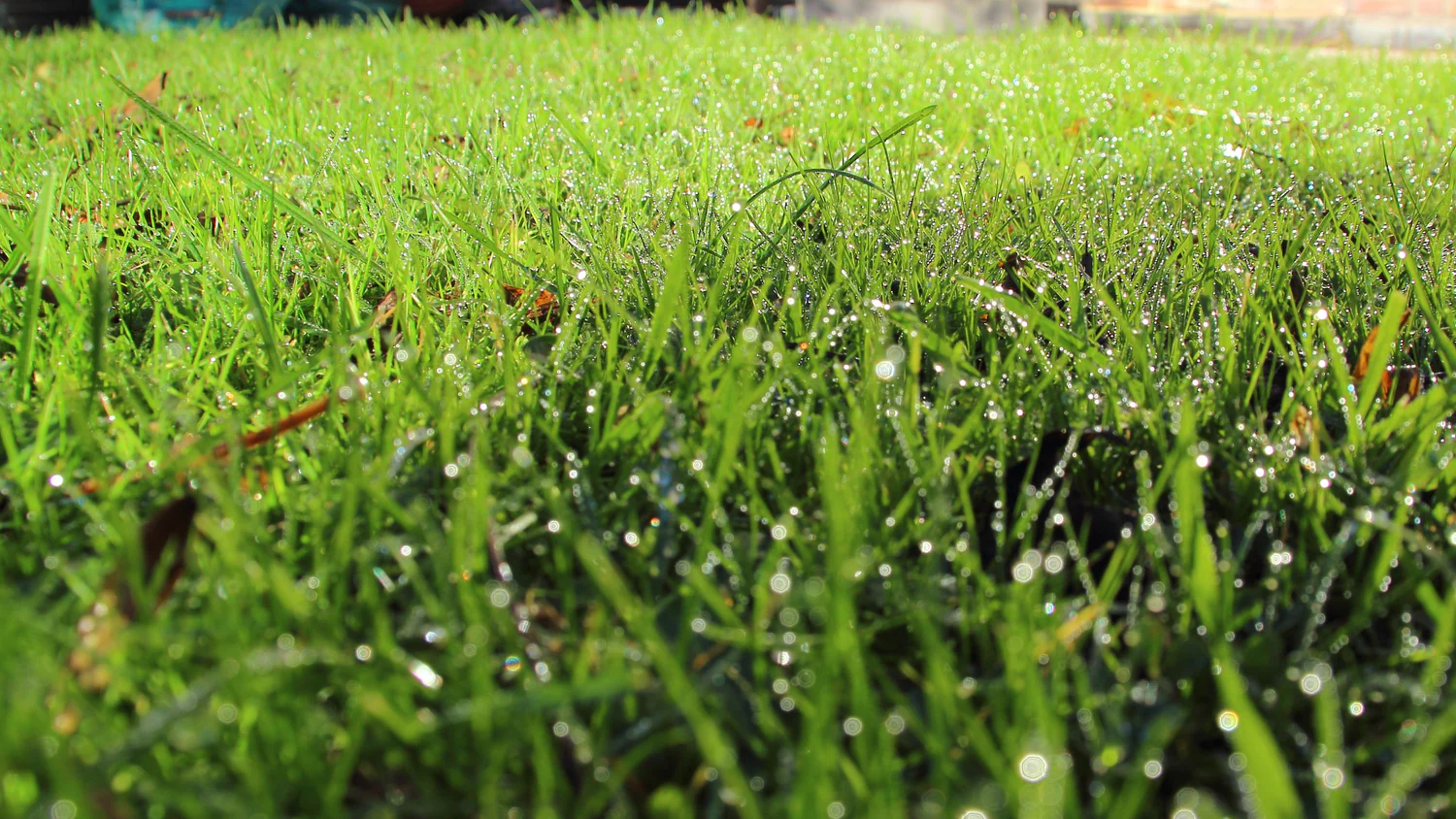
Spring and summer in central Alberta often bring cool mornings, heavy dew, and long stretches of rain. You step outside, look at your yard, and wonder if trimming soaked turf is a smart move or a mistake you will regret later. It seems simple. It rarely is. Moist blades bend instead of standing upright. That alone changes how your machine performs. You may notice clumps left behind, uneven patches, or ruts in softer soil. I have seen lawns marked with tire tracks after a single pass. It does not take much, especially in clay-heavy areas around this city. There is also the health of your yard to think about. Fresh cuts on saturated turf stay damp longer. That can create conditions where disease spreads faster, especially during cooler weeks in May and early June. You might get away with it once. Repeating it every week is a different story. Still, life gets busy. Work schedules, weather forecasts, and family plans do not always line up with perfect conditions. Sometimes you look at your yard and think, maybe it is fine, it is only a bit damp. That hesitation makes sense. Timing here often feels like a compromise. At PROPERTY WERKS, crews focus on practical choices. Wait for surface moisture to dry if possible. Check soil firmness with your shoe before rolling equipment across it. Keep blades sharp. Raise cutting height slightly during rainy stretches. Small adjustments like these protect your yard and help it recover faster through Alberta’s short growing season. Your lawn is not just a patch of green. It is a living surface that reacts to pressure, moisture, and temperature. Paying attention to those details now saves you time and repair work later. Sometimes waiting a few hours makes all the difference.
Cutting Your Lawn in Damp Conditions Around Central Alberta
Moist turf after rainfall or heavy morning dew is common across central Alberta. You look outside, see blades lying flat, and wonder if firing up your machine is a good idea. It might seem harmless. Sometimes it is. Sometimes it leaves a mess that takes weeks to fix. In this region, cool nights and sudden showers keep soil damp longer than many homeowners expect. Clay-heavy ground, which is common in many neighbourhoods, holds moisture near roots. That means surface dryness does not always reflect what sits below. If you roll your mower across soft soil, ruts form fast. I have seen small wheel tracks stay visible for half a season. There are real downsides to trimming turf while it is saturated:
- Clippings clump together and block airflow to roots.
- Tires compact soft soil, which restricts root growth.
- Blades tear instead of slice, leaving brown tips.
- Machines clog underneath, increasing wear on belts and decks.
- Slippery footing raises risk of falls on slopes.
Still, life does not always line up with perfect timing. Work schedules, travel plans, or a stretch of rainy days may push you to cut earlier than ideal. If you must proceed, adjust your approach. Raise deck height slightly. Sharpen blades first. Move slowly. Clear built-up clippings from deck every few passes. It is not perfect, but it limits damage. A simple test helps. Walk across your yard in running shoes. If water seeps around soles or footprints remain deep and shiny, wait another day. If surface feels cool but firm and blades spring back upright, you are likely fine to proceed. Early afternoon often works better than early morning here, especially after sun and wind dry upper growth. PROPERTY WERKS crews plan service visits around local weather patterns. They monitor rainfall totals and soil conditions across neighbourhoods before scheduling cuts. If moisture levels stay high, they delay. Clients sometimes ask for immediate service. The team explains risks clearly and offers a revised date. It protects your turf long term. You might think trimming slightly damp turf is harmless if you bag clippings. I used to believe that too. Yet torn leaf edges invite disease, especially during cooler months. Fungal spots spread fast in shaded yards. Once patches appear, repair takes reseeding, watering, and patience. A short delay often saves weeks of recovery work. If your schedule feels tight, consider this practical checklist before starting:
- Check forecast for at least six dry hours.
- Inspect soil firmness with a screwdriver, it should slide in with slight resistance, not sink freely.
- Ensure blades are sharp and balanced.
- Empty catcher frequently to avoid heavy buildup.
- Clean deck immediately after finishing.
Waiting a little often produces a cleaner cut and healthier lawn. Yet every yard differs. Shade, drainage, soil mix, and foot traffic all play a role. Pay attention to how your property responds. Over time, you will learn its limits, and that knowledge matters more than any general rule.
How Morning Dew and Rainfall in Red Deer Affect Cutting Quality and Lawn Health
Early moisture across central Alberta changes how your yard responds to trimming. In this city, cool nights often leave a heavy layer of dew on turf. Add a short rain shower and blades hold more water than they appear to. That extra moisture seems harmless at first. It rarely is. Water adds weight. Each blade bends instead of standing upright. Your machine then pushes growth over rather than slicing it cleanly. You end up with uneven patches, missed strips, and clumps left behind. I have seen lawns on the north side of town look tidy from a distance, then streaked up close because cutting happened too soon after rainfall. Quality drops quickly in damp conditions. You may notice: • Ragged tips instead of clean cuts • Matted clippings that block light • Wheel ruts in softer soil • Increased strain on your equipment Those torn tips matter more than people think. A clean cut heals fast. A frayed edge loses moisture and turns brown within a day or two. That browning is often blamed on dull blades, and sometimes that is true, but surface water plays a role. Repeated stress weakens turf over a full season. Soil health shifts as well. After steady rain in late spring, ground in this region can stay soft for 24 to 48 hours. Driving heavy equipment over it compacts soil, especially on clay based lots common around newer subdivisions. Compaction limits air flow to roots. You may not see damage right away, yet growth slows by mid summer. There is also a disease factor. Fungal issues such as leaf spot and dollar spot spread faster on damp turf. Clippings left in piles trap humidity close to soil level. That creates small trouble spots. You clear one patch, then another shows up. It becomes a cycle that is frustrating and avoidable. If you care about appearance and long term health, wait until surface moisture dries and soil firms up. Mid to late morning often works during Calgary corridor weather patterns, though cloudy days stretch that window. Check by walking across your yard. If shoes come away soaked or leave deep prints, hold off. PROPERTY WERKS schedules visits with these details in mind, because timing affects results more than most people expect.
PROPERTY WERKS Contact Information:
Address
1017 1 Ave NE, Calgary, AB T2E 0C9
Phone
403 239-1269
Website
Hours of operation
Monday 9 a.m.–5 p.m. Tuesday 9 a.m.–5 p.m. Wednesday 9 a.m.–5 p.m. Thursday 9 a.m.–5 p.m. Friday 9 a.m.–5 p.m. Saturday 9 a.m.–5 p.m. Sunday Closed Online service – Open 24 Hours / 7 days
Map
Q&A:
Is it safe to mow wet grass in Red Deer after a heavy rain?
Mowing right after a downpour in Red Deer can create several issues. Wet blades tend to bend under the mower deck instead of standing upright, which leads to an uneven cut. Clippings also clump together and can block the discharge chute, leaving piles that smother the turf beneath. There is also a safety factor to think about: slick ground increases the chance of slipping, especially on sloped yards common in some Red Deer neighbourhoods. If rain has been steady, it’s usually better to wait until the surface dries and the grass springs back upright. A short delay often results in a cleaner finish and less strain on your equipment.
Will cutting damp grass damage my lawn?
Cutting damp turf does not automatically ruin a yard, but it raises the risk of harm. Heavy mower wheels can press into soft soil and leave ruts, particularly in clay-heavy areas found around Red Deer. Torn grass tips are another concern. Wet blades are more likely to rip rather than slice cleanly, which can cause browning at the ends and make the lawn look stressed. In addition, compacted soil limits airflow to roots. If you must mow while the lawn is still slightly damp, use sharp blades, reduce speed, and avoid turning sharply in one spot. Waiting for partial drying is usually a safer choice for long-term turf health.
What time of day is best to mow after morning dew in Red Deer?
During the growing season in Red Deer, early morning often brings heavy dew. Mowing at that time can lead to clumping and streaks across the yard. Late morning to mid-afternoon is generally a better window, once sunlight and light breeze have dried the surface. This timing allows the grass to recover before cooler evening temperatures set in. Avoid cutting late at night when moisture begins to settle again. Watching how quickly your lawn dries after sunrise will help you pick a consistent schedule that fits local weather patterns.
If I can only mow on weekends and the grass is wet, what should I do?
Weekend-only schedules are common, and weather does not always cooperate. If the lawn is lightly damp from dew rather than soaked from rain, you can take steps to reduce problems. Raise the mower height slightly to avoid scalping soft areas, empty the bag more frequently, and clear built-up clippings from the deck as needed. Mow slowly and overlap passes to catch missed strips. If the ground feels spongy underfoot or water pools in low spots, postponing the task may prevent ruts and patchy growth later in the season. A short delay can save time on repairs later.