

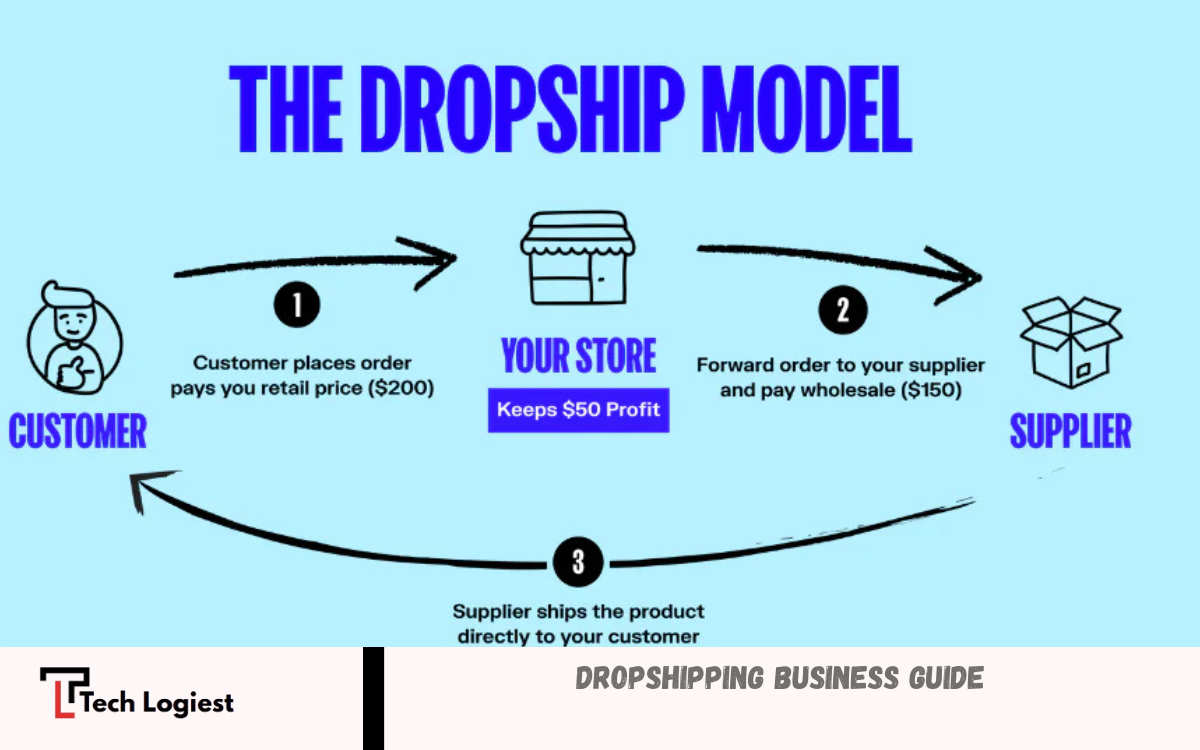
Starting a dropshipping business has become one of the most accessible ways to enter the world of e-commerce. Unlike traditional retail, dropshipping allows entrepreneurs to sell products online without maintaining inventory or handling shipping. This business model connects sellers directly with suppliers, who manage storage, packaging, and delivery, allowing you to focus entirely on marketing, customer service, and scaling your brand.
The beauty of dropshipping lies in its low startup costs and minimal risk. You can test various products, explore niche markets, and adapt your offerings based on customer demand without the burden of unsold stock. Additionally, the flexibility of running a dropshipping store means you can operate from anywhere, making it an ideal option for aspiring digital entrepreneurs.
Choosing the Right Niche
The foundation of a successful dropshipping business starts with selecting a profitable niche. A niche is a specialized market segment catering to specific customer needs. Choosing the wrong niche can result in low sales and wasted resources.
When selecting a niche, consider:
- Market demand – Use tools like Google Trends or keyword research to identify trending products.
- Competition analysis – Avoid oversaturated markets unless you have a strong marketing strategy.
- Profit margins – Choose products that allow competitive pricing while generating sufficient profits.
- Target audience – Understand customer preferences, demographics, and purchase behavior.
Popular dropshipping niches include fitness accessories, tech gadgets, eco-friendly products, fashion items, and home improvement tools.
Finding Reliable Suppliers
Suppliers play a critical role in dropshipping. A reliable supplier ensures product quality, fast shipping, and accurate order fulfillment. Platforms like AliExpress, Oberlo, and SaleHoo offer a wide range of suppliers for dropshipping businesses.
When choosing suppliers, evaluate:
- Shipping speed – Delayed delivery can affect customer satisfaction.
- Product quality – Order samples before listing products.
- Communication – Ensure suppliers respond promptly to inquiries.
- Return policy – Clear return and refund policies protect your business and customers.
Building strong relationships with suppliers is essential. Negotiate terms, establish expectations, and maintain open communication to prevent issues and maintain smooth operations.
Setting Up Your Online Store
Once you finalize your niche and suppliers, the next step is creating an online store. Platforms like Shopify, WooCommerce, and BigCommerce make it simple to launch a professional e-commerce website without coding knowledge.
Key steps include:
- Choose a domain name – Select a memorable, brandable name that reflects your niche.
- Design a professional website – Use clean layouts, responsive design, and high-quality images.
- Set up product pages – Include compelling descriptions, clear images, and pricing.
- Implement payment gateways – Offer secure options like PayPal, Stripe, and credit cards.
- Install analytics tools – Track customer behavior, sales, and traffic sources to make data-driven decisions.
A well-optimized website improves credibility, boosts conversion rates, and enhances customer experience.
Read Also: Top AI-Powered Website Builders for Efficient and Intelligent Web Design
Product Selection and Pricing Strategy
Selecting the right products is critical for dropshipping success. Focus on products that solve problems, appeal to specific audiences, and offer sufficient profit margins. Avoid listing too many products at once; concentrate on a few high-potential items.
Pricing strategy is equally important. Consider:
- Cost-plus pricing – Add a profit margin to wholesale prices.
- Competitive pricing – Research competitor prices and adjust accordingly.
- Psychological pricing – Use pricing techniques such as $19.99 instead of $20.00.
Regularly monitor sales and adjust product offerings and pricing based on demand, competition, and profitability.
Marketing Your Dropshipping Store
Marketing determines the success of a dropshipping business. Without proper marketing, even high-quality products remain unsold. Effective strategies include:
Social Media Marketing
Platforms like Instagram, Facebook, TikTok, and Pinterest help reach targeted audiences. Post engaging content, use influencers, and run paid ads to drive traffic to your store.
Search Engine Optimization (SEO)
Optimize your website for search engines to attract organic traffic. Use relevant keywords, write product descriptions with SEO in mind, and create blog content related to your niche.
Email Marketing
Build a mailing list to engage with potential and existing customers. Send product updates, promotions, and personalized offers to encourage repeat purchases.
Paid Advertising
Invest in Google Ads, Facebook Ads, or TikTok Ads for targeted campaigns. Start with a small budget, test ad performance, and scale successful campaigns gradually.
Customer Service and Retention
Customer satisfaction is crucial for long-term success. Provide prompt support, clear communication, and easy return policies. Encourage reviews and feedback to improve your service and build credibility.
Retaining customers is often more profitable than acquiring new ones. Implement loyalty programs, email campaigns, and personalized offers to turn one-time buyers into repeat customers.
Managing Orders and Logistics
Even though suppliers handle shipping, tracking orders, managing returns, and resolving issues remain your responsibility. Use automated tools and apps to streamline processes, track shipments, and notify customers about their order status.
Efficient order management improves customer experience, reduces complaints, and increases brand trust.
Scaling Your Dropshipping Business
Once your store generates consistent sales, focus on scaling. Methods include:
- Expanding product range within your niche.
- Entering new markets or regions.
- Automating marketing and order management processes.
- Collaborating with more suppliers for variety and backup.
Scaling requires strategic planning and reinvestment of profits into marketing, technology, and team growth.
Common Mistakes to Avoid
Successful dropshipping requires attention to detail. Avoid these mistakes:
- Choosing low-quality suppliers.
- Selling too many products at once without testing demand.
- Ignoring marketing strategies and relying solely on organic traffic.
- Underestimating shipping times and logistics.
- Neglecting customer service and retention strategies.
Learning from mistakes ensures a sustainable and profitable dropshipping business.
Frequently Asked Questions
How do I find reliable suppliers?
Suppliers can be found on platforms like AliExpress, SaleHoo, and Oberlo. Look for suppliers with good reviews, fast shipping, and responsive communication. Always order samples before selling products.
Can dropshipping be profitable?
Yes, dropshipping can be profitable if you choose the right niche, manage suppliers, and execute effective marketing strategies. Profit margins vary but typically range between 10%–40%.
How long does it take to see results?
Results depend on marketing efforts, product selection, and competition. Some stores see sales within weeks, while others may take months to reach consistent profits.
Do I need to handle shipping and inventory?
No. Suppliers handle inventory storage and shipping. Your responsibility is managing customer service, marketing, and order tracking.
What are common dropshipping mistakes?
Common mistakes include choosing low-quality suppliers, ignoring marketing strategies, underestimating shipping times, and listing too many products without testing demand.
How do I market a dropshipping store?
Effective marketing includes social media campaigns, search engine optimization (SEO), email marketing, influencer partnerships, and paid advertising through Google or Facebook Ads.
Can I scale my dropshipping business?
Yes. Scaling can be achieved by adding new products, expanding into new markets, automating processes, improving marketing, and building long-term customer relationships.
Conclusion
This dropshipping business guide provides a roadmap for building a profitable online store. By choosing the right niche, partnering with reliable suppliers, setting up a professional website, optimizing marketing strategies, and focusing on customer satisfaction, entrepreneurs can build a scalable business. Dropshipping offers flexibility, low startup costs, and the potential for long-term success if approached strategically.
Success requires persistence, data-driven decisions, and continuous optimization. By following this guide, beginners and intermediate sellers gain practical insights to start and grow a dropshipping business that thrives in a competitive e-commerce environment.
