

Introduction
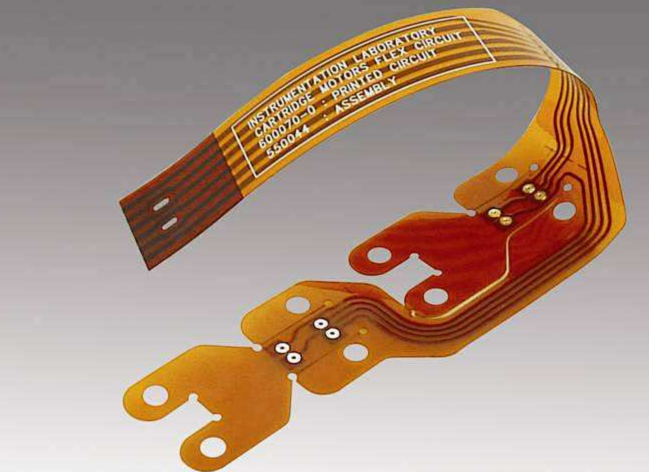
Multilayer PCB designs are becoming more advanced as modern electronics demand higher speed, smaller size, and better reliability. A well-designed custom rigid flex pcb helps engineers combine rigid sections for components and flexible sections for movement, making it ideal for compact and high-performance devices. When designed correctly, it reduces connectors, improves durability, and enhances signal stability in complex electronic systems.
In today’s fast-moving electronics industry, manufacturers and designers often rely on quick turn flex pcb solutions to speed up prototyping and production without sacrificing quality. This is especially important in industries like aerospace, medical devices, robotics, and consumer electronics where every millisecond of performance and every millimeter of space matters. Understanding how to optimize multilayer designs ensures better electrical performance, mechanical strength, and long-term reliability.
Understanding multilayer rigid flex pcb architecture
A multilayer custom rigid flex pcb is built by combining multiple conductive layers separated by insulating materials, with flexible layers connecting rigid sections. This hybrid structure allows designers to reduce wiring complexity while maintaining strong electrical performance. The rigid sections typically hold heavier components, while the flexible sections provide bending capability, reducing the need for connectors and cables that often introduce failure points.
When working with a quick turn flex pcb process, engineers must carefully plan the layer stack-up from the beginning. Each layer affects impedance, signal speed, and mechanical flexibility. Poor planning can lead to signal distortion or mechanical fatigue over time. A well-balanced architecture ensures that electrical performance remains stable even under repeated bending or thermal stress, making the board suitable for high-reliability applications such as medical instruments and industrial automation systems.
Material selection and stack-up optimization
Choosing the right materials is one of the most important steps in optimizing a custom rigid flex pcb. Polyimide is commonly used for flexible layers because of its excellent thermal stability and bending endurance, while FR4 is often used in rigid sections for cost efficiency and strength. The combination of these materials must be carefully engineered to avoid delamination or stress concentration during operation.
In a quick turn flex pcb project, material availability and compatibility also play a major role in production speed and performance consistency. Stack-up design must balance copper thickness, dielectric constant, and layer symmetry to prevent warping and maintain signal integrity. A well-optimized stack-up improves both electrical efficiency and mechanical durability, ensuring that the board performs reliably in demanding environments where vibration, heat, and motion are constant challenges.
Signal integrity and impedance control strategies
Signal integrity is a critical factor in multilayer custom rigid flex pcb performance, especially for high-speed digital and RF applications. Improper trace routing or inconsistent impedance can cause signal loss, reflection, or crosstalk. To avoid these issues, designers must carefully control trace width, spacing, and reference planes across both rigid and flexible sections of the board.
Using a quick turn flex pcb manufacturing approach does not eliminate the need for precision in impedance matching. Instead, it makes early design decisions even more important because there is less time for redesigns. Ground plane continuity, via placement, and controlled dielectric properties all contribute to stable signal transmission. When these factors are optimized, the pcb can support faster data rates and cleaner signal performance, which is essential for modern computing and communication systems.
Thermal management and mechanical stress reduction
Heat management plays a major role in extending the life of a custom rigid flex pcb. As electronic devices become smaller and more powerful, heat density increases, making it necessary to design efficient thermal paths. Copper pours, thermal vias, and strategic component placement help distribute heat evenly across the board, preventing localized overheating that could damage sensitive components.
At the same time, a quick turn flex pcb must also withstand mechanical stress caused by bending, vibration, and repeated movement. Designing proper bend radii and avoiding sharp transitions between rigid and flexible sections helps reduce stress concentration. When thermal and mechanical considerations are balanced correctly, the board achieves higher reliability, making it suitable for demanding applications such as wearable devices, automotive systems, and aerospace electronics.
Conclusion
Optimizing a multilayer custom rigid flex pcb requires careful attention to architecture, materials, signal integrity, and thermal performance. Each design decision affects how well the final board performs in real-world conditions, especially when flexibility and durability are required together in a compact system.
By applying proper design strategies and leveraging reliable quick turn flex pcb manufacturing processes, engineers can significantly improve product performance and reduce development time. Companies working with advanced PCB solutions like those offered through fast-turn manufacturing capabilities can achieve faster innovation cycles while maintaining high-quality standards in complex electronic applications.
Visit FastTurnPCBs.com for fast, reliable PCB and PCBA manufacturing. From rapid prototypes to full production, we deliver quality circuit solutions to help you bring your electronics to market quickly.