

Intimate care needs can change throughout life. From the first signs of menstruation during adolescence to everyday discharge management in adulthood and changes associated with pregnancy or menopause, different stages may bring different preferences for comfort and protection.
Panty liners are one option people use to manage light moisture, normal vaginal discharge, and occasional spotting. Their thin design makes them distinct from sanitary pads, which are intended for menstrual flow. However, liners are not essential for everyone, and choosing whether to use them depends on personal needs, comfort, and lifestyle.
Understanding how panty liners fit into different routines can help people make informed decisions about product materials, absorbency, fit, and frequency of use.
What Are Panty Liners and What Are They Designed For?
Panty liners are thin absorbent products designed to provide light protection for underwear. They are generally used for everyday discharge, occasional spotting, or as additional protection alongside certain menstrual products.
Unlike sanitary pads, panty liners are not designed to absorb a regular or heavy menstrual flow. Selecting a product according to its intended use is important for avoiding leaks and unnecessary discomfort.
People may use liners for several reasons:
- Managing light vaginal discharge.
- Providing protection against occasional spotting.
- Adding backup protection when using a tampon or menstrual cup.
- Protecting underwear from small amounts of moisture.
- Managing light bleeding at the beginning or end of a period.
These uses are not requirements. Some people prefer liners, while others find changing their underwear when needed is sufficient.
Panty Liners During Adolescence
Adolescence is often when people first learn about menstrual products and changes in their bodies. Vaginal discharge can begin before the first period and may vary throughout the menstrual cycle.
For teenagers who are becoming familiar with these changes, panty liners may offer a convenient option for managing light discharge or occasional spotting.
Understanding Normal Discharge
Vaginal discharge is a normal part of reproductive health. Its amount and consistency can change during the menstrual cycle due to hormonal fluctuations.
A liner may help protect underwear when discharge feels inconvenient, particularly during school hours or other activities when changing clothes is difficult.
However, discharge does not automatically mean a liner is necessary. Wearing one should be a personal choice based on comfort rather than a requirement for cleanliness.
Choosing a Suitable Product
For first-time users, simplicity matters. A thin liner with an appropriate shape and a comfortable surface may be easier to incorporate into an everyday routine.
It is helpful to understand how to position the liner correctly, remove it when needed, and dispose of it responsibly. Teenagers should also know that panty liners are not substitutes for sanitary pads when menstrual bleeding begins.
Education about normal discharge, menstrual cycles, and product use can help young people approach intimate care with greater confidence.
Panty Liners During the Working Years
Busy schedules can influence how people manage intimate care. Long commutes, office hours, travel, exercise, and social activities may make access to a change of underwear less convenient.
For some adults, daily panty liners provide a practical way to manage light discharge or occasional spotting while going about their routines.
Convenience During Long Days
A liner can offer additional protection when someone expects to be away from home for several hours. However, it should be changed when it becomes damp, soiled, or uncomfortable, following the manufacturer’s instructions.
Keeping a few spare liners in a bag can also be useful for unexpected situations.
Matching the Product to the Activity
Different activities may create different comfort considerations. Someone sitting at a desk for much of the day may prioritise a discreet fit, while someone who walks frequently or exercises may pay more attention to flexibility and whether the liner stays in place.
The ideal choice is not necessarily the thickest or most absorbent option. It is the product that suits the amount of moisture involved and feels comfortable during normal movement.
Panty liners should not be expected to manage heavy perspiration or replace appropriate menstrual protection.
Panty Liners Around the Menstrual Cycle
Hormonal changes throughout the menstrual cycle can influence discharge and bleeding patterns. As a result, the usefulness of panty liners may vary from one week to another.
Before and After a Period
Some people experience light spotting before menstruation begins or after the main flow has ended. A liner may provide enough protection for these small amounts of blood.
However, if bleeding becomes heavier than expected, a sanitary pad or another suitable menstrual product may be more appropriate.
Around Ovulation
Some people notice an increase in clear or slippery discharge around ovulation. This is often a normal hormonal change.
A liner can help manage the resulting moisture if it feels uncomfortable, but it is not necessary simply because discharge increases at a particular point in the cycle.
As Backup Protection
People who use tampons or menstrual cups may choose a liner as additional protection against small leaks. The appropriate combination depends on personal preference and the instructions for the menstrual product being used.
Liners should not replace a primary product when menstrual flow requires greater absorbency.
Panty Liners During Pregnancy and Postpartum Changes
Pregnancy can bring changes in vaginal discharge, making intimate care preferences different from those before pregnancy. Some people may choose liners to manage ordinary increases in light discharge.
A liner should not be used to dismiss unusual symptoms, however. A sudden gush or persistent leaking of fluid during pregnancy requires prompt medical assessment, particularly if there is any possibility that the fluid is amniotic fluid.
After childbirth, bleeding and discharge may continue for several weeks as the body recovers. This discharge, known as lochia, can vary in amount and duration.
Panty liners are generally not suitable for managing heavier postpartum bleeding. Follow the guidance provided by a healthcare professional about appropriate maternity pads, hygiene, and recovery.
Seek medical advice if postpartum bleeding becomes very heavy, has an unusual smell, or is accompanied by fever, worsening pain, dizziness, or other concerning symptoms.
Panty Liners During Perimenopause and Menopause
Hormonal changes during perimenopause and menopause can affect vaginal discharge, moisture, and tissue comfort. Some people experience spotting or changes associated with vaginal dryness and irritation.
Panty liners may help manage light discharge or occasional spotting, but they are not a treatment for dryness or other menopausal symptoms.
Prioritising Comfort
People who experience increased sensitivity may wish to review the materials, fragrance, adhesive, and overall construction of the liner they use.
Fragrance-free products may be preferable for people who know that scented products irritate them. A soft surface may also be a personal preference, although no material guarantees that irritation will never occur.
Any bleeding after menopause should be assessed by a healthcare professional, even if the amount is small. It should not automatically be attributed to hormonal changes or managed only with panty liners.
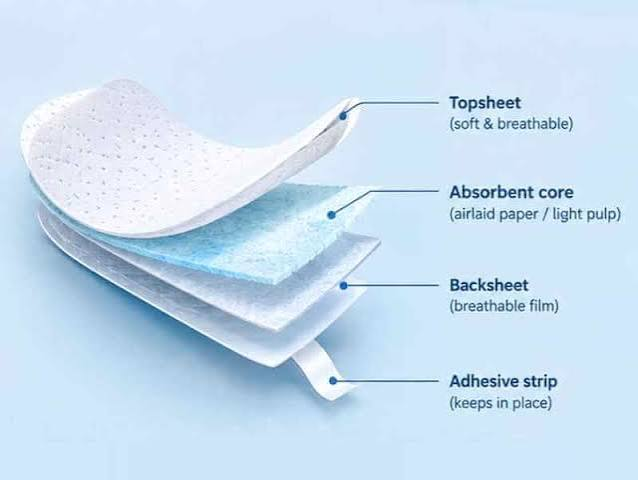
Choosing Materials and Construction
Material selection matters at every life stage, particularly for people who experience discomfort with certain intimate care products.
When comparing panty liners, look beyond the product’s name and consider how it is constructed.
Surface Material
The top sheet is the layer that comes into contact with the body. Some products use cotton-based materials, while others use different fibres or blends.
A cotton-based surface may appeal to people who prefer its texture. Still, the complete product may contain other materials in its absorbent core, adhesive, or backing.
Review the product description to understand which component contains cotton rather than assuming the entire liner is made from the same fibre.
Fragrance and Other Components
Fragrances can irritate some people, particularly those who are already sensitive to certain ingredients. If you have experienced discomfort with scented products, consider checking whether a fragrance-free option is available.
Adhesives and other materials may also affect individual comfort. If a liner repeatedly causes irritation, stop using it and consider another option. Persistent symptoms deserve medical advice rather than repeated product changes alone.
Fit and Absorbency
A liner that shifts, folds, or bunches may cause friction. Choosing a shape that suits your underwear can help it stay comfortably positioned.
Absorbency should match the intended use. A daily liner is suitable for light moisture management, not heavy bleeding. Using a more absorbent menstrual product when needed is more appropriate than relying on a liner beyond its capacity.
Exploring Daily Panty Liners
For people looking for daily panty liners, the most useful starting point is to consider the type of moisture they want to manage, the materials they prefer, and how often they expect to use the product.
Flawsome offers Plant Based Panty Liners, which the brand describes as being made from plant-derived materials for everyday freshness and light moisture management. The product listing includes different pack-size options, allowing consumers to review the available quantities before choosing.
As with any intimate care product, review the manufacturer’s information to understand the materials and intended use. Product descriptions such as soft, skin-friendly, or environmentally friendly should be evaluated in the context of the information provided rather than treated as guarantees for every person or every environmental outcome.
Panty liners are intended for light discharge and spotting. They should be changed when needed and disposed of in a waste bin rather than flushed.
Healthy Habits for Every Stage of Life
Regardless of age or life stage, a few practical habits can help support a comfortable intimate care routine.
Change liners when needed. Replace them when they become damp, soiled, or uncomfortable, and follow the product’s usage instructions.
Keep cleansing gentle. The external genital area can generally be cleaned with water or a mild cleanser if needed. Avoid internal vaginal cleansing, which is unnecessary.
Take breaks when appropriate. You do not need to wear a liner continuously if you are comfortable without one.
Pay attention to symptoms. Persistent itching, burning, soreness, unusual discharge, or a noticeable change in odour should not automatically be blamed on the product. Seek medical advice if symptoms continue or concern you.
Choose protection for the right purpose. Use liners for light moisture and suitable menstrual products for heavier flow.
These habits allow intimate care decisions to remain practical and responsive to changing needs.
Conclusion
Panty liners can serve different purposes at different life stages, from managing light discharge during adolescence to providing occasional backup protection during adulthood. Their usefulness depends on individual preferences, the amount of moisture involved, and the product’s design.
When choosing daily panty liners, consider surface materials, fragrance, absorbency, fit, and the manufacturer’s product information. A cotton-based or plant-derived material may appeal to some consumers, but no product is guaranteed to suit everyone.
The goal is not to make panty liners a compulsory part of everyday hygiene. It is to understand when they are useful, select an appropriate product, and build an intimate care routine that prioritises comfort, informed choices, and personal needs.
