

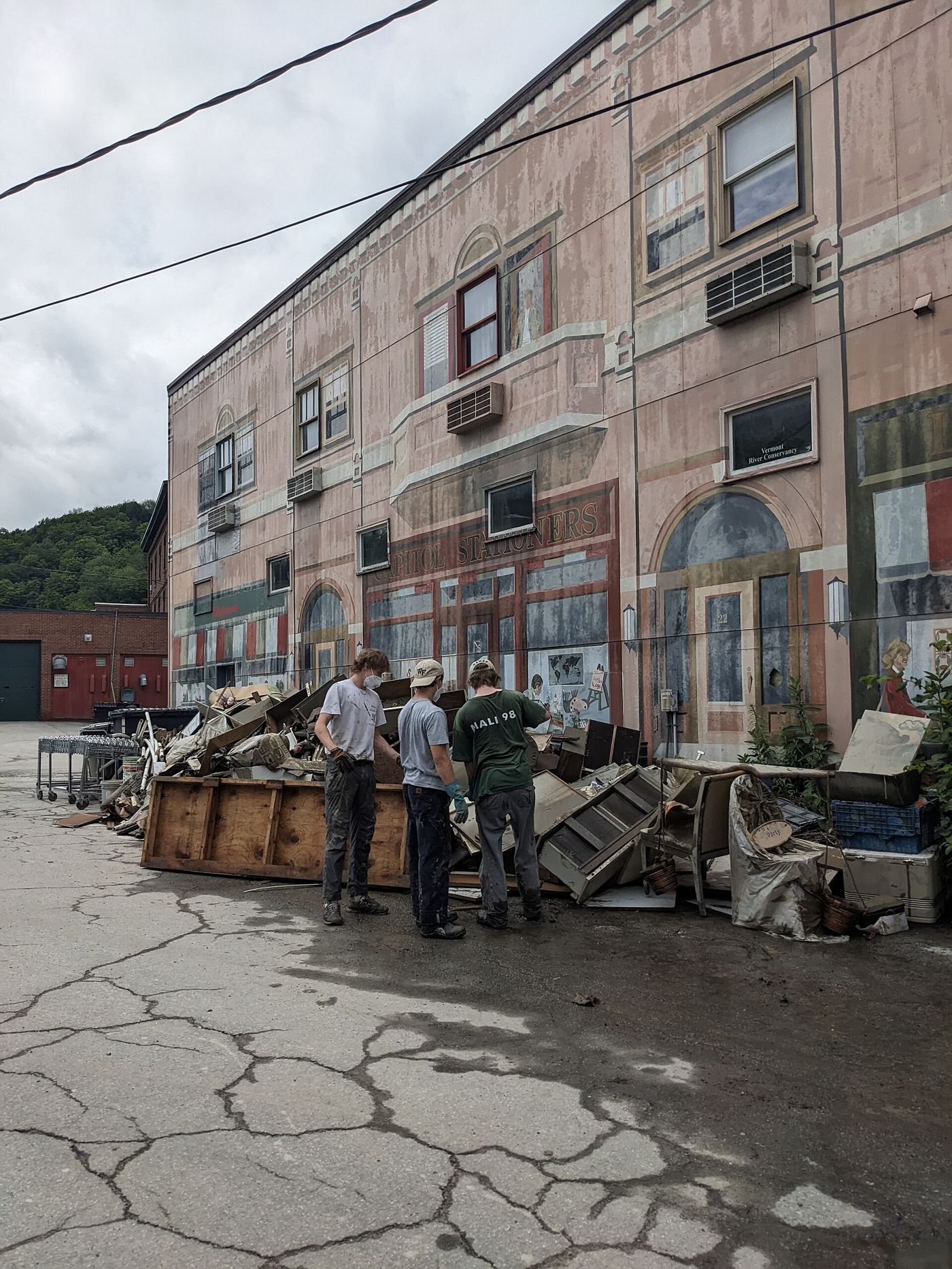
Cities affected by heavy autumn rain are expanding flood cleanup teams to clear streets, unblock drains and help residents return to damaged homes more quickly. Local authorities say the additional crews will focus first on underpasses, low-lying residential roads and areas around schools and care homes, where standing water causes the greatest disruption. The expansion includes more high-capacity pumps, trained staff on standby during severe weather warnings and arrangements with voluntary organisations that support vulnerable residents. In several areas, cleanup work after recent storms continued for weeks, with mud, debris and damaged belongings needing removal long after the water itself had receded. Councils acknowledge that faster cleanup, while important, is only part of the response, and they are pairing the new teams with reviews of drain maintenance schedules and planning rules for new developments on flood-prone land. Residents are being encouraged to sign up for local flood alerts, check insurance cover and photograph valuables in advance, so that any claim after an incident can be processed with less delay and dispute.
What the Evidence Shows
Emergency planners say the pattern of short, intense rainfall is placing new demands on drainage systems designed for steadier weather. Gullies and culverts that coped in the past can be overwhelmed when a large volume of water arrives in an hour, especially if leaves and litter block the inlets. The expanded teams will therefore carry out preventive clearing during weather warnings, not only reactive cleanup afterwards. Local businesses affected by repeated flooding are asking for longer-term investment in defences and water storage, arguing that cleanup costs recur while protective measures reduce damage in the first place. Authorities respond that major schemes take years to design and fund, which is why both approaches are being pursued together. Community groups have also set up local resilience hubs with sandbags, torches and contact lists for neighbours who may need help. Officials say residents can assist by keeping drains outside their homes clear of leaves and reporting blocked ones early. The coming months will test whether the larger teams can shorten recovery times measurably after each storm. Reporting and analysis from sources such as BBC News track the same developments, and specialists following expanded flood cleanup teams say the direction is now consistent across independent lines of evidence.
The Wider Context
The wider context is a public conversation conducted at a speed institutions were not built for. Developments around expanded flood cleanup teams are announced, contested and revised within a single news cycle, and the officials involved have learned to publish evidence alongside claims so that scrutiny can actually occur. Trust, the polling suggests, follows that transparency more than it follows confidence.
What Happens Next
What happens next in the story of expanded flood cleanup teams will be decided in the places where it is being implemented, measured and argued about in public. The officials and organisations involved have committed to publishing progress data, and that commitment gives residents, businesses and journalists something firmer than promises to judge. The next milestones are dated, which means they can be checked. You can follow related developments in our coverage of news.
None of this will be settled by a single announcement, study or product launch. The pattern to watch is accumulation: independent confirmations, honest reporting of failures and steady improvement in the underlying numbers. Readers who follow those signals, rather than the loudest claim of the week, will understand this subject better than most of the commentary surrounding it suggests is possible.
