

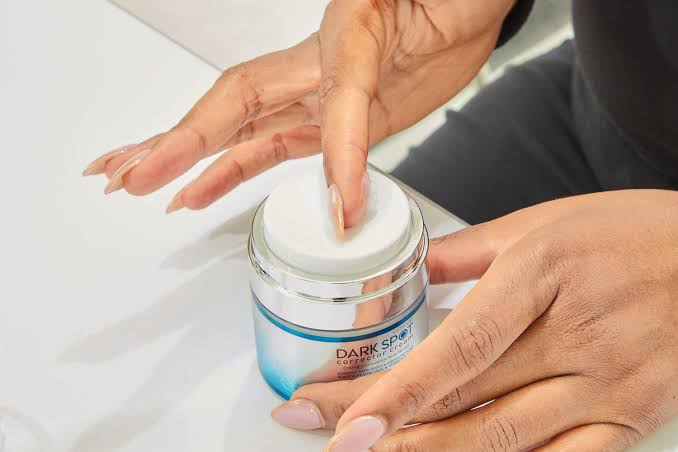
Dark spots and uneven skin tone are common skincare concerns that can develop due to sun exposure, acne, hormonal changes, or irritation. These marks may appear on the cheeks, forehead, chin, and other areas of the face, sometimes remaining visible long after the original cause has disappeared.
Choosing the right skincare product can feel overwhelming because many creams promise brighter, clearer-looking skin. However, effective skincare begins with understanding why pigmentation develops, identifying suitable ingredients, and maintaining a consistent routine.
A well-chosen dark spot treatment may help improve the appearance of uneven pigmentation over time. The key is to select a formulation suited to your skin, avoid unnecessary irritation, and protect your skin from further sun damage.
What Causes Dark Spots and Uneven Skin Tone?
Before selecting a treatment, it helps to understand what may be contributing to your pigmentation.
1. Sun Exposure
Exposure to ultraviolet radiation can stimulate melanin production, leading to dark spots and uneven pigmentation. These marks may become more noticeable after repeated sun exposure, particularly on areas that receive the most sunlight.
Daily sun protection is therefore essential when addressing existing dark spots and helping prevent new ones.
2. Acne and Post-Inflammatory Hyperpigmentation
When acne heals, it can leave behind flat brown, red, or darker marks. These are often associated with post-inflammatory hyperpigmentation, a process in which inflammation triggers changes in skin pigmentation.
Picking pimples, squeezing blemishes, or using irritating treatments can increase the likelihood of persistent marks. Addressing active acne and avoiding further inflammation can help prevent additional pigmentation.
3. Hormonal Changes
Hormonal factors can contribute to conditions such as melasma, which commonly appears as darker patches on the cheeks, forehead, and upper lip. Sun exposure can make these patches more noticeable.
Melasma may require a specialised treatment plan, particularly when pigmentation persists or repeatedly returns.
4. Skincare Product Irritation
Products that are too harsh for your skin can cause redness, burning, or inflammation. In some cases, this irritation can lead to darker marks, especially in skin that is more prone to post-inflammatory pigmentation.
If a product consistently stings or burns, discontinue it rather than assuming that the discomfort means it is working.
Ingredients to Look for in a Dark Spot Corrector Cream
The ingredients in a skincare product are often more important than its marketing claims. Different ingredients address pigmentation through different mechanisms, so your choice should depend on your skin concerns and tolerance.
Vitamin C for Brighter-Looking Skin
Vitamin C is an antioxidant commonly used in skincare products designed to improve the appearance of dullness and uneven tone. It helps protect against oxidative stress and may support a brighter-looking complexion.
The effectiveness of a vitamin C product depends on its formulation, stability, concentration, and suitability for your skin.
If you have sensitive skin, introduce vitamin C gradually and monitor your response. Combining it with several strong active ingredients immediately may increase the risk of irritation.
Niacinamide for Uneven Skin Tone
Niacinamide, also known as vitamin B3, supports the skin barrier and may help improve the appearance of uneven pigmentation.
It is commonly included in formulations designed for people concerned about dark marks, excess oil, and overall skin texture.
Niacinamide can be a useful ingredient for a straightforward skincare routine, although results vary according to the formulation and individual skin characteristics.
Azelaic Acid for Pigmentation and Blemish-Prone Skin
Azelaic acid is used in skincare and dermatological treatments for concerns including acne and certain forms of hyperpigmentation.
It may be particularly relevant when dark marks develop after blemishes. However, the appropriate formulation and concentration depend on the individual’s skin and the nature of the concern.
People with persistent acne or pigmentation may benefit from professional advice before introducing a new treatment.
Glycolic Acid for Surface Exfoliation
Glycolic acid is an alpha hydroxy acid that helps exfoliate the skin’s surface. It may improve the appearance of rough texture and certain forms of uneven pigmentation.
However, overuse can cause dryness, redness, and irritation, potentially making dark marks more noticeable. Introduce exfoliating products carefully and avoid combining several strong exfoliants without understanding their compatibility.
Kojic Acid for Dark Spots
Kojic acid is another ingredient used in products formulated to address uneven skin tone. It is associated with reducing melanin production through its effect on tyrosinase, an enzyme involved in pigment formation.
Its suitability depends on the formulation and your skin’s tolerance. If irritation develops, discontinue use and consider consulting a dermatologist.
How to Choose a Dark Spot Corrector Cream for Your Skin
When researching a dark spot corrector cream, begin by identifying the type of pigmentation you want to address.
If your primary concern is acne-related marks, consider products formulated for uneven tone while also managing active breakouts. If pigmentation appears mainly on sun-exposed areas, daily sun protection should be a priority. Persistent or symmetrical patches may require professional assessment to determine whether melasma or another condition is involved.
Review the product’s ingredient list, directions, and suitability for your skin type. A product containing several active ingredients is not necessarily better than one with a simpler formulation.
Consider these factors before choosing a cream:
- Ingredient transparency: Look for clearly identified ingredients and understandable directions.
- Skin compatibility: Choose a formulation appropriate for your skin type and sensitivity.
- Realistic claims: Be cautious of products promising instant results or permanent removal of all pigmentation.
- Ease of use: A product that fits comfortably into your routine is easier to apply consistently.
- Safety: Avoid unlabelled skin-lightening products or products making extreme bleaching claims.
If you have sensitive skin, introduce new products gradually and patch-test according to the manufacturer’s instructions.
Understanding Pigmentation Removal Cream in India
When searching for a pigmentation removal cream India, you may encounter products marketed for dark spots, acne marks, tanning, and uneven skin tone.
These terms can describe different concerns, so it is important to understand what the product is intended to address. A cream designed for general uneven tone may not be sufficient for melasma or pigmentation caused by an underlying skin condition.
Check the ingredient list and follow the application directions carefully. Avoid unverified skin-lightening creams that may contain undeclared corticosteroids, mercury, or other harmful substances.
Do not use prescription-strength treatments without appropriate medical guidance. A dermatologist can help identify the cause of pigmentation and determine whether an over-the-counter product or a prescribed treatment is more suitable.
Why Sunscreen Is Essential for Treating Dark Spots
Even a suitable pigmentation treatment may deliver limited results if your skin continues to receive substantial sun exposure without protection.
Use a broad-spectrum sunscreen with SPF 30 or higher every morning. Apply it generously to exposed skin and reapply approximately every two hours when outdoors, or after swimming or sweating, following the product instructions.
If you are concerned about melasma or persistent pigmentation, a tinted sunscreen containing iron oxides may offer additional protection against visible light. The American Academy of Dermatology recommends sun protection as a fundamental part of managing dark spots. <Cite refs={[“turn815717search0″,”turn815717search2”]}/>
You can also support your routine by wearing protective clothing, seeking shade, and avoiding excessive sun exposure.
How to Build a Simple Skincare Routine
A consistent routine helps you use targeted products without unnecessarily irritating your skin.
Morning routine: Start with a gentle cleanser, apply a suitable treatment product if appropriate, moisturise, and finish with broad-spectrum sunscreen.
Evening routine: Cleanse your face to remove sunscreen, makeup, excess oil, and impurities. Apply your chosen treatment according to its instructions, then use a suitable moisturiser.
Avoid introducing several active ingredients simultaneously. Adding one new product at a time makes it easier to monitor your skin’s response and identify potential irritation.
If you experience persistent redness, burning, peeling, or worsening pigmentation, stop the suspected irritating product and seek professional advice if symptoms continue.
How Long Does It Take for Dark Spots to Fade?
Pigmentation treatments generally require patience. The time needed for visible improvement depends on the cause, depth of pigmentation, skin type, and consistency of treatment.
Some superficial marks gradually fade over several months, while deeper pigmentation or melasma may persist for much longer. No topical cream can guarantee that every dark spot will disappear completely.
Avoid increasing the amount or frequency of a product in an attempt to accelerate results. Excessive use may irritate your skin and worsen the appearance of pigmentation.
If dark spots persist despite consistent care, a dermatologist can assess the condition and recommend suitable treatment options.
Final Thoughts
Choosing a suitable cream for uneven skin tone begins with understanding the cause of your dark spots. Ingredients such as vitamin C, niacinamide, azelaic acid, glycolic acid, and kojic acid may help address different pigmentation concerns, but their suitability depends on the formulation and your skin’s needs.
When exploring skincare options, World of Asaya’s dark spot removal cream is one product to research. Review its ingredients and usage instructions to determine whether it fits your routine.
Combine appropriate skincare with daily sun protection, avoid irritating treatments, and allow sufficient time for results. If pigmentation is persistent, worsening, or accompanied by other skin changes, consult a qualified dermatologist for an accurate assessment and personalised advice.
