

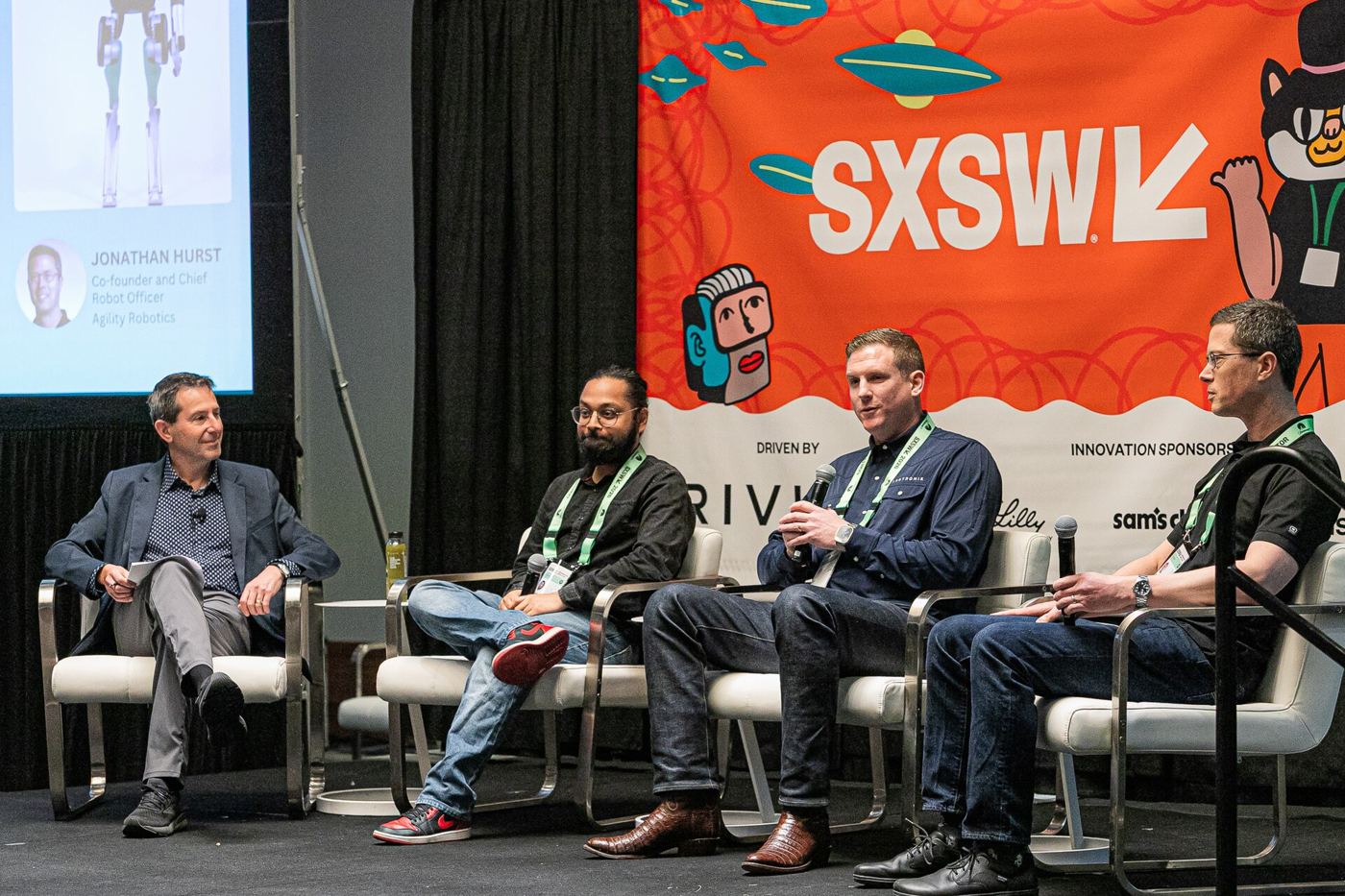
The humanoid robot has been a science-fiction promise for so long that its quiet arrival on factory floors is easy to miss. There is no ceremony: a two-legged machine with arms and a sensor head is assigned to move bins, load a machine, or carry parts between stations, supervised like a new hire on probation. Pilots are running at car plants and logistics sites, and readers of emerging technology coverage should treat them as the industry’s most closely watched experiment.
The argument for the human shape is the built environment. Factories, warehouses and hospitals are designed for people — stairs, door handles, tools, shelves at human height. A machine that fits that world needs no rebuilt infrastructure, and the same model can, in principle, be retrained for different tasks the way a person is.
Why Now, After Decades of Demos
Three things changed. Actuators and batteries improved enough for useful working shifts. AI perception and control — the same learning methods behind language models, applied to movement — made robots adaptable instead of choreographed. And investment followed the labour shortage in logistics and manufacturing. Coverage and research tracked by IEEE robotics coverage and its publications show the field’s centre shifting from spectacular demos to dull reliability statistics.
The sceptical case remains strong: humanoids are expensive, slow compared with purpose-built machines, and unproven over years of shifts. A conveyor does not need legs. Where a task is fixed, the fixed machine wins; the humanoid’s bet is on variety.
The Metric That Matters
Learning From the Fleet, Not the Demo
The technical story underneath the pilots is a data strategy. Each robot in the field streams its experience — grips that slipped, bins that jammed, routes that confused it — back to training systems that improve the shared model, so every deployment makes every other robot slightly better. This fleet-learning loop, borrowed from the autonomous-vehicle industry, is why manufacturers race to place units even at a loss: the robots are collecting the dataset that the product will be built from.
Safety certification is the parallel race. Standards for machines that work beside people — force limits, fail-safe behaviours, predictable motion — are being written from the pilot data now. Insurers, quietly, are becoming kingmakers: a humanoid that cannot be insured cannot be deployed. When the history of the industry is written, the decisive documents may prove to be not the launch videos, but the first actuarial tables for two-legged labour.
Ignore the backflips. The numbers to watch are cost per task, hours between interventions, and how many distinct jobs one model performs in a real facility. If those curves keep bending the way their makers claim, the factory pilots of today look, in retrospect, like the first shifts of a new kind of worker.
