

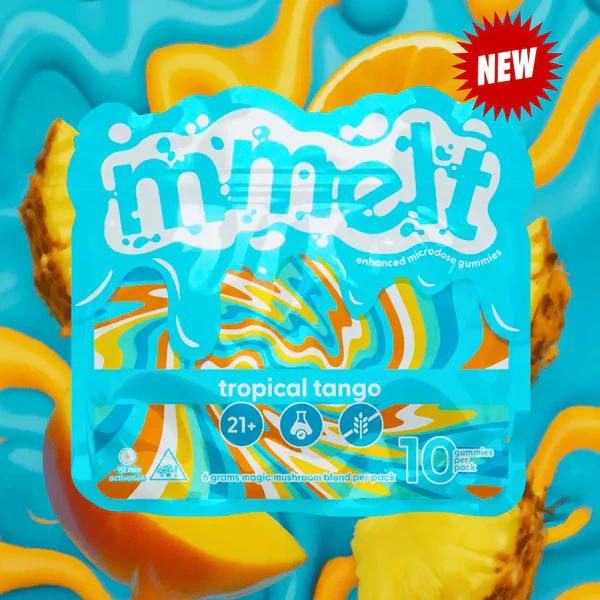
Mushroom chocolate bars bring together a familiar chocolate format and ingredients derived from mushrooms or other substances, depending on the product’s formulation. They may be presented as full bars, smaller squares, or portioned pieces, with different flavor profiles and packaging styles available across the market.
Although the format may look similar to conventional chocolate, the ingredients and intended use can vary considerably. The term “mushroom chocolate” does not identify a standardized recipe, so shoppers should look beyond the packaging when comparing products. Understanding the ingredient list, product labeling, quality information, and relevant safety considerations can make the purchasing process more informed.
What Are Mushroom Chocolate Bars?
Mushroom chocolate bars are chocolate-based products marketed with mushroom-related ingredients. The exact composition depends on the manufacturer and product category. Some products may feature conventional mushroom extracts, while others may contain psychoactive or regulated substances.
This distinction is important because two products with similar packaging can have very different ingredients and risks. A chocolate bar’s appearance, flavor, or name cannot establish what it contains.
Before considering a product, read the complete ingredient list and review the manufacturer’s description. Look for clear information about the ingredients, serving guidance, applicable warnings, and intended use. If these details are unavailable, seek clarification rather than relying on assumptions.
Why Does the Chocolate Format Appeal to Consumers?
Chocolate is a familiar food format with a wide range of textures and flavor combinations. Its versatility allows manufacturers to develop products featuring milk chocolate, dark chocolate, fruit-inspired notes, and other flavor variations.
The bar format can also make packaging and product quantities easy to identify. However, the number of squares or pieces does not necessarily tell consumers how much of a particular ingredient is present. Product-specific labeling remains essential.
Another consideration is that chocolate can contain sugar, milk ingredients, emulsifiers, flavorings, and other components. People with allergies or dietary preferences should review the ingredient panel carefully rather than assuming that every chocolate product has the same composition.
Convenient packaging can be appealing, but it should not replace careful evaluation of the formulation.
Exploring Different Mushroom Chocolate Flavors
Flavor is often one of the first details shoppers notice when browsing chocolate products. Different combinations can offer distinct taste experiences, but flavor descriptions do not establish the product’s ingredients or quality.
Milk Chocolate
Milk chocolate is associated with a creamy texture and a sweeter flavor profile. Products using this style may appeal to consumers who prefer a milder chocolate taste.
The ingredient list should identify relevant milk ingredients and other components. Anyone with a milk allergy or dietary restriction should check the label before purchasing.
Dark Chocolate
Dark chocolate generally has a more pronounced cocoa flavor and may taste less sweet than some milk chocolate varieties. Its exact bitterness and texture depend on the formulation.
The term “dark chocolate” does not indicate the presence or amount of any mushroom-derived ingredient. Review the product details to understand the complete formulation.
Fruit-Inspired Flavors
Some products combine chocolate with fruit-inspired flavor notes. These may create a contrast between cocoa’s richness and brighter, sweeter, or tangier tastes.
A fruit-inspired description does not necessarily mean that the product contains substantial quantities of real fruit. Check the ingredient list if fruit content, flavoring sources, or dietary requirements are important to you.
What to Check Before Buying Mushroom Chocolate Bars
Choosing a product requires more than comparing photographs or flavor descriptions. Several practical checks can help consumers understand what they are purchasing.
Read the Ingredient List
Look for the specific mushroom species, extracts, and other active ingredients identified on the label. If the product contains a blend, check whether the manufacturer explains its components clearly.
Also review the chocolate ingredients, sweeteners, allergens, and other additives. A complete ingredient list is especially important for people with food allergies or dietary restrictions.
If the formulation is unclear, ask the manufacturer for additional details before making a decision.
Review Serving Information
Check the product’s serving directions and any relevant ingredient quantities. Do not assume that each square contains an equivalent amount of an ingredient across different brands or products.
The number of pieces in a package does not independently establish potency or safety. Follow the product’s stated instructions and warnings, and avoid making assumptions based on the size of a bar.
Look for Verifiable Quality Information
Manufacturing transparency can help consumers assess a product more carefully. Where available, review information about the manufacturer, production standards, and relevant third-party testing.
If a certificate of analysis is provided, check whether it applies to the specific product or batch and explains what was tested. A general statement such as “premium quality” is not a substitute for verifiable documentation.
Check Packaging and Storage Instructions
Chocolate can be affected by temperature and storage conditions. Follow the manufacturer’s directions and keep the product in its original packaging.
Check that the packaging is intact and that the product received matches the label and description. Store mushroom chocolate securely, particularly in households with children or pets, because it may resemble ordinary confectionery.
Comparing Mushroom Chocolate Bars With Other Formats
Mushroom-related products are available in several formats, including chocolates, gummies, and liquid shots. Each format has different physical characteristics, but none should be considered interchangeable based on appearance alone.
Mushroom Gummies
Gummies are chewable products that may be available in multiple fruit-inspired flavors. Their texture and packaging differ from chocolate bars, and their ingredients may also vary.
The mushroom gummies collection offers a separate category to review when comparing product formats. Check each listing for ingredient details and applicable warnings.
Mushroom Chocolate Products
Chocolate collections may include different bar styles, flavor combinations, or package options. Comparing individual listings can help clarify the available formats and the information supplied by the manufacturer.
The mushroom chocolate collection is a starting point for reviewing product descriptions and comparing listed details.
Mushroom Shots
Liquid shots offer another presentation style. They may have different ingredients, packaging requirements, and serving directions from solid chocolate products.
The mushroom shots collection provides another category to examine separately.
Regardless of format, consumers should prioritize ingredient transparency and relevant safety information over assumptions based on the product’s appearance.
Understanding Safety and Legal Considerations
The ingredients in a mushroom chocolate bar determine which safety and legal questions are relevant. Some mushroom-derived ingredients are used in conventional food or supplement products, while other formulations may contain psychoactive or regulated substances.
Consumers should identify the actual ingredients and check the laws that apply to their location. A product being listed on a website does not guarantee that it can legally be purchased or delivered everywhere.
Products containing psychoactive substances may carry unpredictable risks. Chocolate’s familiar appearance does not make such products equivalent to ordinary sweets or establish that they are safe.
People with allergies, dietary restrictions, or concerns about medication interactions should review the formulation carefully and consult a qualified healthcare professional when appropriate. Avoid products with unclear ingredients or unsupported claims about their effects.
How to Compare Prices and Product Options
Price comparisons are more useful when shoppers examine products using consistent criteria. Consider the package size, number of pieces, ingredient information, manufacturer transparency, and any relevant testing documentation.
A larger bar or multipack is not automatically a better value if the formulations or quantities differ. Likewise, a higher price does not prove that a product is safer or better made.
Before ordering online, review shipping charges, delivery restrictions, return policies, and the seller’s contact information. Confirm that the product is eligible for delivery to your location and that its ingredients comply with applicable requirements.
Take time to compare the actual product details rather than relying solely on discounts, promotional labels, or flavor descriptions.
A Practical Buying Checklist
Before choosing mushroom chocolate bars, ask the following questions:
- Ingredients: Are the mushroom-derived and chocolate ingredients clearly identified?
- Serving information: Are the directions and relevant quantities understandable?
- Quality: Is meaningful manufacturing or testing information available?
- Allergens: Does the label disclose milk, soy, or other ingredients relevant to your dietary needs?
- Storage: Are the packaging and storage instructions clear?
- Safety: Are appropriate warnings provided for the actual formulation?
- Legal status: Can the product legally be purchased and delivered to your location?
- Seller information: Are shipping, return, and customer-support policies easy to find?
These checks help shoppers make comparisons based on useful information rather than marketing alone.
Final Thoughts
Mushroom chocolate bars combine a familiar chocolate format with formulations that can differ considerably from one product to another. Flavor, texture, and packaging may influence a shopper’s preference, but they cannot establish the ingredients, quality, or suitability of a product.
Before buying, review the complete ingredient list, understand the serving information, and look for verifiable manufacturing and testing details. Pay attention to allergens, storage instructions, safety warnings, and the legal requirements that apply to the actual ingredients.
The most reliable purchasing decisions begin with transparent product information. By comparing the details carefully, consumers can better understand the differences between available mushroom chocolate bars and avoid relying on assumptions based on their appearance or promotional descriptions.
