

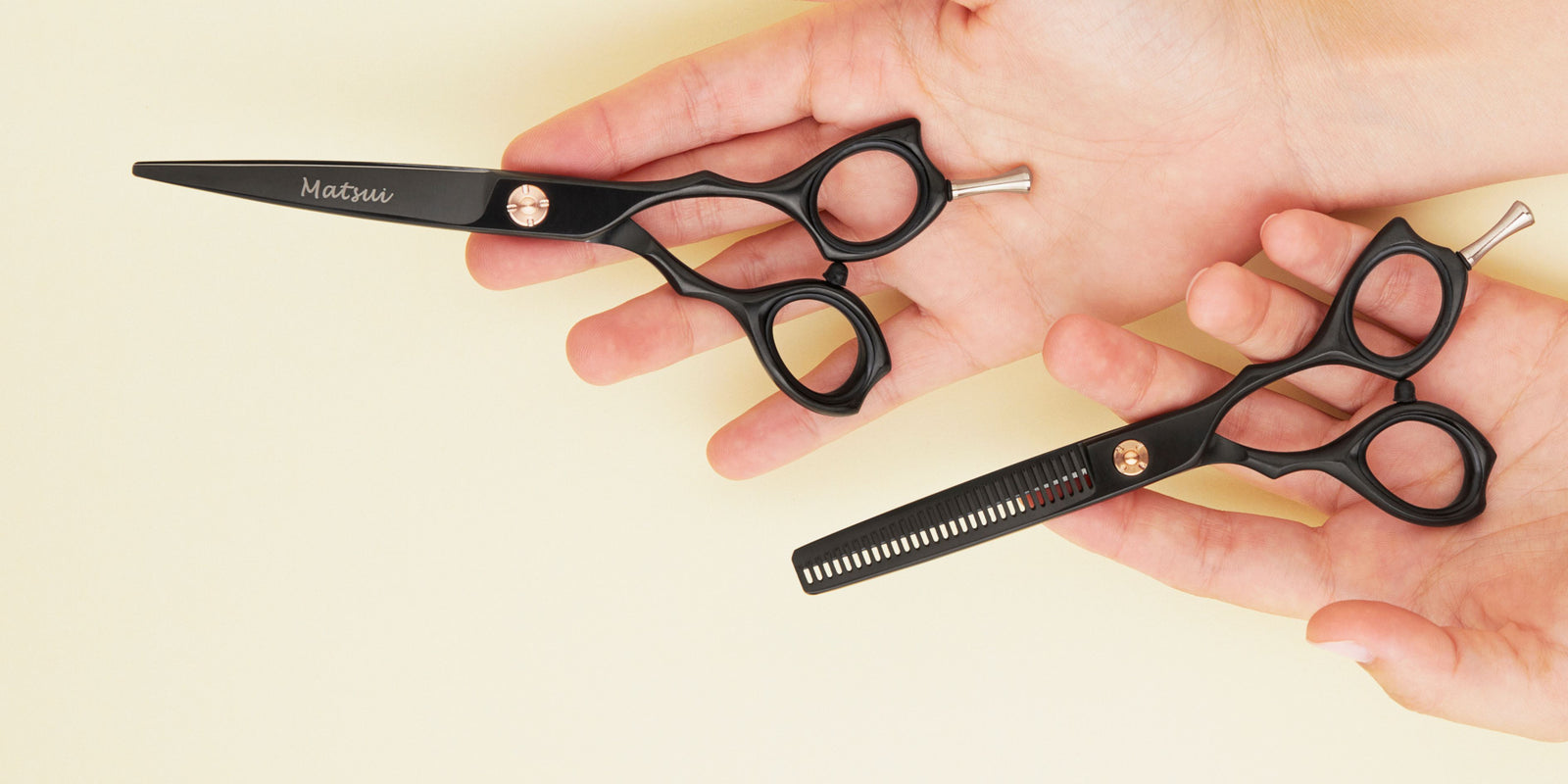
Batch identification gives a physical observation somewhere to go. A buyer examining hair cutting shears may see a marking, finish, package, or model detail that needs clarification. Without traceability information, the team can describe the concern but cannot reliably connect it to the approved configuration, sample, or replenishment record.
That connection matters. A batch label does not prove material quality or establish a fault by itself. It helps a brand or distributor ask the right question about the particular item in hand. The useful system is modest: a clear internal identifier, a product configuration record, and a physical review note that says what was observed without pretending to know the cause.
Make batch identification readable at the point of review
An identifier works only if the person handling the product can find and record it. Place the batch or lot reference where a receiving or quality colleague can connect it to the product reference and presentation record. The exact placement is a commercial decision, but the label should not require the team to interpret a generic product name or search old email threads for the matching configuration.
Pair the identifier with the model reference and enough receiving information to retrieve the approved item record. A small distributor may use a simple internal spreadsheet; a larger brand may use a system entry. The tool does not matter as much as the link. When a buyer contacts the business, the team should be able to ask which model and batch are involved before discussing a resolution.
Keep the first note short: item received, batch identification, date of review, observable concern, supporting image if available, and the question for the supplier. That note protects the difference between an observation and a conclusion. It also gives a later reviewer a clean starting point.
When an item passes from receiving to a product manager and then to a supplier contact, every handover should preserve the batch reference, the exact model description, and the original observation, because a review becomes unreliable as soon as one person has to infer which physical item another colleague meant.
Keep the chain intact.
Link hair cutting shears to the approved sample record
For hair cutting shears, traceability information should lead back to an approved configuration. The record can identify the model, intended catalogue role, blade and handle description, selected finish, branding or packaging choice, and a sample reference if one was approved. A batch number without those fields merely identifies a group; it does not tell the team what the group was expected to contain.
MATSUOPRO’s private-label service page identifies logo engraving, packaging, blade geometry, material or finish choice, and sample approval as supplier-stated options. These fields can form the backbone of a configuration record, provided the purchaser confirms the actual choices for the selected model.
MackayHairScissors product records should treat a new branding image or package revision as a separate configuration cue. Otherwise a reviewer may find a familiar model name and overlook that the item was ordered with a different option set. Traceability is strongest when changes are visible rather than folded into a generic description.
Use physical review notes to support quality decisions
A physical review should describe what a person can check without inventing a test result. Note the model marking, the visible finish description, the package or label, the relationship to an approved sample reference, and any condition that needs clarification. Use photographs where they help identify the item, but label the files with the batch and model reference so they remain connected to the record.
Quality decisions can then be proportional. If the item identity does not match the order record, ask for identification or correction. If a visible presentation detail differs from the approved sample, ask the supplier to confirm the configuration and proposed response. If the record is incomplete, restore the record before claiming an item-level cause. Evidence should narrow the next question, not broaden the accusation.
This approach also makes receiving more consistent. One colleague does not need to rely on another colleague’s memory of a sample that arrived months earlier. The record shows what was approved and what is being observed now.
That is the real value of a review note: it allows a later decision to begin with recorded facts, even when the original receiver is unavailable or the item has moved through more than one internal location.
Memory is not enough.
Keep barber shears separate from a generic tool record
Barber shears belong in a distinct catalogue and review context when the buyer has selected them for a particular technique or working role. An internal identifier should therefore retrieve the appropriate model description rather than a generic scissors category. That helps a distributor decide whether the buyer’s question concerns the intended product or a mistaken substitution.
JOEWELL’s specification guidance links shorter lengths with detail work and longer lengths with more reach or cutting area. This supports a sourcing principle: length and intended use can be useful comparison fields. It does not prove the availability of a particular size from MATSUOPRO or establish a universal choice for every barber.
For MackayHairScissors entries, record the selected barber-shear description with the same care used for a cutting-shear model. The batch label then helps the team retrieve the right record; it does not replace the record or make an unsupported performance promise.
Give thinning shears configuration-specific traceability
Thinning shears require their own traceability fields. MATSUOPRO identifies tooth geometry, steel, finish, pivot tension, handedness, and sample-result review as relevant considerations. A physical quality note should point to the confirmed tooth configuration and intended product description instead of using a broad “thinning tool” label.
The same page describes a human-hair blending configuration with forty teeth or more as unresolved. If an identifier points to a request involving that configuration, record the need for confirmation. Do not treat the existence of a batch label as proof that the configuration is supplied, tested, or suitable for a named result.
Good traceability information lets the buyer isolate the question. Was the received item the specified thinning-shear configuration? Does the product record need correction? Is there an open option that should not have appeared in catalogue or order language? Those questions are useful because they can be answered from a record and a supplier response.
Use traceability information to improve the next release
Once a review is resolved, update the configuration record only if the evidence supports a change. A corrected label, a clearer image filename, or a revised packaging description may prevent a future mix-up. Broad changes to product claims should not be made simply because a single batch raised a question. The goal is reliable identification and a defensible next action.
Buyers can use MATSUOPRO configuration routes to identify relevant product categories, then build a batch-to-record link around the models they actually source. The homepage separates hair cutting shears, barber shears, thinning shears, and private-label options; the internal record should preserve that distinction.
Traceability is most valuable when it stays practical. It allows a physical observation to become a focused quality decision, a supplier question, or a better purchasing instruction.
For a new brand, the first workable version may be a carefully maintained table with controlled model names and batch references. Expansion should follow actual handling needs. A sophisticated label without a reliable configuration record does less to support a physical quality decision than a simple system that people consistently complete.
As records accumulate, the team can identify whether a recurring question follows one model, one configuration revision, one receiving location, or one batch reference, while still resisting the temptation to treat a pattern of enquiries as proof of a manufacturing cause before the supplier and the documented item record support that conclusion.
Record first. Decide second.
