

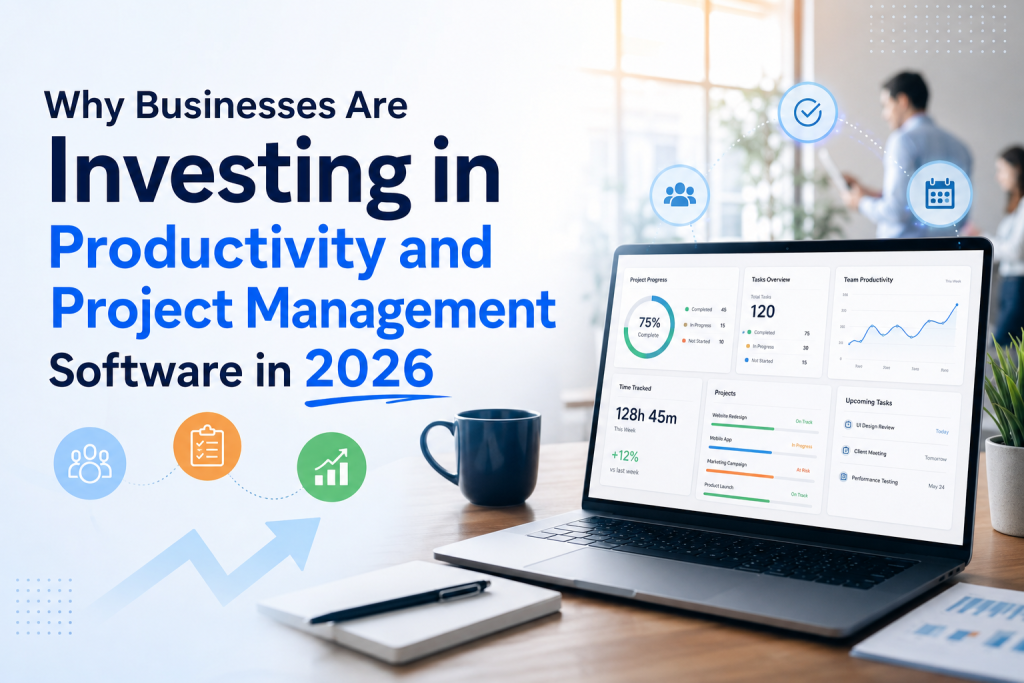
Businesses today are expected to deliver projects faster, improve employee efficiency, and adapt to rapidly changing customer demands. However, achieving these goals has become increasingly difficult as teams juggle multiple projects, work across different locations, and rely on numerous tools to manage daily operations.
Many organizations still depend on spreadsheets, emails, and disconnected applications to track productivity and manage projects. While these methods may work for small tasks, they often create communication gaps, reduce visibility, and make it difficult to keep teams aligned.
As a result, companies are increasingly investing in productivity and project management software that helps them streamline workflows, improve accountability, and make better decisions. The right tools not only help teams stay productive but also ensure projects are delivered on time and within budget.
Why Traditional Methods Are Slowing Teams Down
Traditional approaches to managing work often struggle to meet the demands of modern businesses. As organizations grow, manual processes become more complex and harder to manage.
Limited Visibility Into Productivity
Managers frequently lack a clear understanding of how work is progressing across teams. Without centralized reporting, it becomes difficult to identify bottlenecks, monitor workloads, or recognize areas where support is needed.
Project Delays and Missed Deadlines
Spreadsheets and manual tracking systems make it challenging to monitor project milestones consistently. Important tasks can easily be overlooked, leading to delays and missed deadlines.
Communication Challenges
When project information is scattered across emails, messaging platforms, and spreadsheets, collaboration suffers. Teams often spend valuable time searching for updates instead of focusing on meaningful work.
Remote Work Complexity
Remote and hybrid work environments have added another layer of complexity. Leaders need better visibility into project progress and team productivity without relying on frequent status meetings.
Inefficient Reporting
Creating reports manually consumes time and often results in outdated information. Without accurate data, managers may struggle to make informed decisions or respond quickly to emerging challenges.
What Makes Productivity and Project Management Essential for Modern Businesses
Modern businesses require systems that connect daily activities with broader organizational goals. Effective productivity and project management practices create structure, improve visibility, and enable teams to perform at their best.
Better Alignment With Business Goals
Employees work more effectively when they understand how their tasks contribute to larger objectives. Clear project plans and measurable productivity indicators help teams stay focused on priorities.
Increased Accountability
When responsibilities and deadlines are clearly defined, teams become more accountable for their work. Managers can track progress, identify challenges early, and provide support when necessary.
Improved Resource Allocation
Understanding team capacity and project requirements enables businesses to distribute workloads more effectively. This reduces employee burnout while ensuring projects receive the resources they need.
Stronger Collaboration
Centralized systems make it easier for teams to communicate, share information, and stay updated on project progress. Better collaboration often leads to faster decision-making and improved outcomes.
Data-Driven Decision-Making
Real-time reporting provides valuable insights into team performance and project status. Leaders can identify trends, address inefficiencies, and make strategic decisions based on reliable data.
Features to Look for in the Best Productivity Management Software
Choosing the right productivity management software requires more than simply tracking hours worked. The best solutions provide comprehensive visibility into how work gets done and help teams operate more efficiently.
Real-Time Productivity Tracking
Businesses benefit from instant visibility into employee activities and project progress. Real-time tracking helps managers identify issues before they become major problems.
Time Tracking and Activity Monitoring
Understanding how time is spent allows organizations to improve planning and optimize workflows. These insights can help eliminate inefficiencies and improve overall performance.
Performance Reports and Analytics
Detailed reporting helps businesses measure productivity trends, identify top performers, and discover opportunities for improvement.
Goal and Task Management
Effective tools allow organizations to set clear goals, assign tasks, and monitor progress. Employees gain a better understanding of priorities and deadlines.
Team Collaboration Features
Integrated communication and file-sharing capabilities reduce confusion and ensure everyone has access to the information they need.
Business Tool Integrations
The best productivity management software integrates seamlessly with existing systems, reducing manual work and improving operational efficiency.
What Defines the Best Project Management Software in 2026
Project management requirements continue to evolve as businesses become increasingly complex. The best project management software offers flexibility, visibility, and automation that supports modern work environments.
Project Planning and Scheduling
Successful project execution begins with effective planning. Businesses need tools that help create timelines, define milestones, and manage dependencies.
Task Assignment and Tracking
Clear task ownership ensures accountability and helps teams understand their responsibilities throughout the project lifecycle.
Resource Management
Managing people, budgets, and timelines effectively is critical for project success. Resource management features help organizations avoid overallocation and maintain project momentum.
Progress Monitoring and Reporting
Dashboards and reporting tools provide real-time insights into project performance, helping leaders make informed decisions quickly.
Workflow Automation
Automation reduces repetitive administrative tasks and allows teams to focus on higher-value activities. Automated reminders and updates also improve project consistency.
Scalability
The best project management software should be capable of supporting business growth and adapting to changing operational requirements.
How Businesses Are Choosing the Right Solution for Long-Term Growth
Selecting a software solution requires careful evaluation of both current needs and future objectives.
Organizations are increasingly looking for platforms that provide visibility into productivity while also supporting project execution. They evaluate factors such as ease of implementation, reporting capabilities, collaboration features, integrations, and scalability.
Many businesses also prefer solutions that combine productivity insights with project management capabilities. Platforms such as Workstatus have gained attention because they offer businesses greater visibility into both team performance and project progress within a single ecosystem.
Ultimately, the right solution depends on an organization’s unique workflows, team structure, and long-term growth plans.
Conclusion: Productivity and Project Success Depend on the Right Systems
Productivity and project execution are no longer separate business priorities. Organizations need systems that provide transparency, encourage accountability, and support effective collaboration.
Investing in the right productivity management software and project management software allows businesses to improve operational efficiency, make better decisions, and deliver projects more consistently. As workplace expectations continue to evolve in 2026, organizations that adopt the right tools will be better positioned to scale, adapt, and achieve sustainable growth.
