

The road looked fine on the map.
Then the GPS froze.
One car drifted too far ahead. Another missed the exit entirely. Somewhere behind them, someone lost cell service halfway through saying, “I think we’re supposed to turn—” before the call disappeared into digital oblivion.
Classic road trip energy.
Modern travel has a strange contradiction built into it. People carry incredibly advanced smartphones capable of streaming movies, navigating unfamiliar cities, and translating foreign languages instantly, yet somehow communication still falls apart the second a group enters the mountains, crosses rural highways, or gets stuck inside a packed festival parking lot.
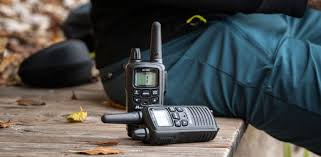
That’s exactly why the long-range walkie-talkie has become one of the most underrated travel tools around.
Not because it’s nostalgic. Not because people secretly want to pretend they’re in an action movie. Mostly because dependable communication becomes incredibly valuable the moment phones stop cooperating.
And phones stop cooperating more often than people expect.
Travel Exposes the Weakness of Cell Service Fast
Coverage maps are optimistic little works of fiction.
They always look great from home. Then you’re suddenly driving through mountain roads, national parks, deserts, or remote stretches of highway where your phone displays one weak signal bar purely out of politeness.
Travelers encounter communication dead zones constantly. Rural routes, campgrounds, hiking areas, remote beaches, and crowded event locations all have one thing in common: smartphones become unreliable fast.
A long-range walkie-talkie avoids much of that problem by providing direct, immediate communication without depending entirely on local cellular infrastructure.
That changes the entire travel experience.
Instead of stressing about whether messages will eventually send, groups stay connected in real time. Drivers coordinate instantly. Campers check in easily. Travelers spread out more confidently without worrying about disappearing from contact completely.
Which, honestly, lowers stress levels more than people realize.
Road Trips Become Much Easier to Coordinate
Every multi-vehicle road trip eventually becomes a moving communication challenge.
Someone drives faster. Someone stops unexpectedly for gas. GPS apps reroute vehicles differently because traffic conditions changed five seconds ago. Half the group ends up separated wondering whether everyone else vanished into another dimension.
A long-range walkie-talkie fixes that immediately.
Need to stop at the next exit? Spot road construction ahead? Change plans mid-drive? One quick push-to-talk message handles it instantly between vehicles.
No dropped calls. No waiting for texts. No awkward attempts to coordinate through delayed group messages titled something like “ROAD TRIP PEOPLE!!!”
Simple communication works better during travel because travel itself already creates enough unpredictability.
And honestly, every group trip has at least one person who absolutely cannot follow GPS directions correctly under pressure.
Outdoor Adventures Feel Safer
Travel gets more complicated once people leave cities behind.
Hiking trails split unexpectedly. Campsites spread groups apart. National parks offer incredible scenery alongside communication coverage from approximately 2009. Families separate during outdoor activities far more easily than they expect.
Reliable communication suddenly matters a lot.
A long-range walkie-talkie allows travelers to stay connected across hiking routes, campgrounds, trails, off-road routes, and outdoor activity areas without depending entirely on cell towers. That immediate communication improves safety while also making outdoor experiences feel far less stressful.
Need to check in from another trail? Coordinate campsite logistics? Warn the group about changing weather conditions? Communication stays simple and immediate.
Which is much better than yelling names through the woods hoping sound waves cooperate.
Battery Life Matters More During Travel
Modern smartphones are exhausted little machines.
Navigation apps, streaming music, maps, photos, notifications, background updates, weather apps constantly refreshing, travel drains battery life aggressively. Add weak signal conditions into the mix and phones start dying even faster while desperately searching for reception.
Long-range walkie-talkie systems avoid that issue because communication is their primary focus.
Many modern devices are built for extended operation, making them ideal for road trips, camping weekends, long flights, outdoor excursions, and emergency preparedness situations where charging opportunities may be inconsistent.
Because nothing improves travel anxiety quite like watching your phone battery hit 3% in the middle of nowhere.
Crowded Destinations Break Phone Networks Constantly
Here’s something travelers discover quickly during major events: phones struggle badly in crowds.
Concerts, festivals, sporting events, amusement parks, airports, and tourist attractions often overload nearby networks with thousands of simultaneous users. Calls fail. Texts arrive late. Messages disappear into communication limbo.
Meanwhile, long-range walkie-talkie systems continue operating normally.
That reliability becomes especially useful for families, tour groups, event travelers, and large vacation groups trying to coordinate in crowded environments where smartphones become frustratingly inconsistent.
Because trying to reunite ten people at a packed festival through delayed text messages is basically advanced-level stress management.
Modern Walkie-Talkie Technology Isn’t What People Remember
A lot of adults still picture walkie-talkies as bulky plastic devices with static-filled audio from old camping trips.
Modern systems evolved dramatically.
Today’s long-range walkie-talkie technology often includes clear digital audio, noise reduction, GPS functionality, weather-resistant construction, encrypted communication, and even nationwide push-to-talk capabilities that extend far beyond traditional radio limitations.
Some systems now support communication across cities or even nationwide distances while maintaining the same simple push-button functionality people already understand intuitively.
The technology became significantly more advanced without becoming more complicated.
Which, frankly, is rare these days.
Emergency Situations Change Communication Priorities Quickly
Travel rarely goes exactly according to plan.
Weather shifts unexpectedly. Roads close. Vehicles break down. Flights get delayed. Natural disasters disrupt communication infrastructure. During emergencies, reliable communication suddenly becomes far more important than convenience.
Long-range walkie-talkie systems provide travelers with an alternative communication option that doesn’t depend entirely on overloaded or damaged cellular networks. That extra layer of connectivity creates reassurance during uncertain situations where traditional communication methods may struggle.
And increasingly, travelers appreciate having backup systems that don’t rely entirely on whether nearby towers happen to be functioning normally.
Because modern infrastructure is impressive right up until it stops working.
Travel Feels More Relaxed When Communication Is Reliable
There’s a noticeable difference between traveling while constantly worrying about losing contact and traveling confidently knowing communication remains available.
Road trips become smoother. Outdoor adventures feel safer. Families coordinate more easily. Groups spread out without panic. Drivers focus more on the experience itself instead of constantly checking signal bars.
Reliable communication creates freedom.
That’s why long-range walkie-talkie systems continue growing in popularity among travelers, campers, overlanders, outdoor enthusiasts, and families alike. They solve a problem modern technology still hasn’t fully fixed: dependable communication in unpredictable environments.
And somewhere between mountains, highways, dead zones, and crowded destinations, people are rediscovering something surprisingly simple.
The best travel technology isn’t always the flashiest.
Sometimes it’s the device that still works when everything else stops.