

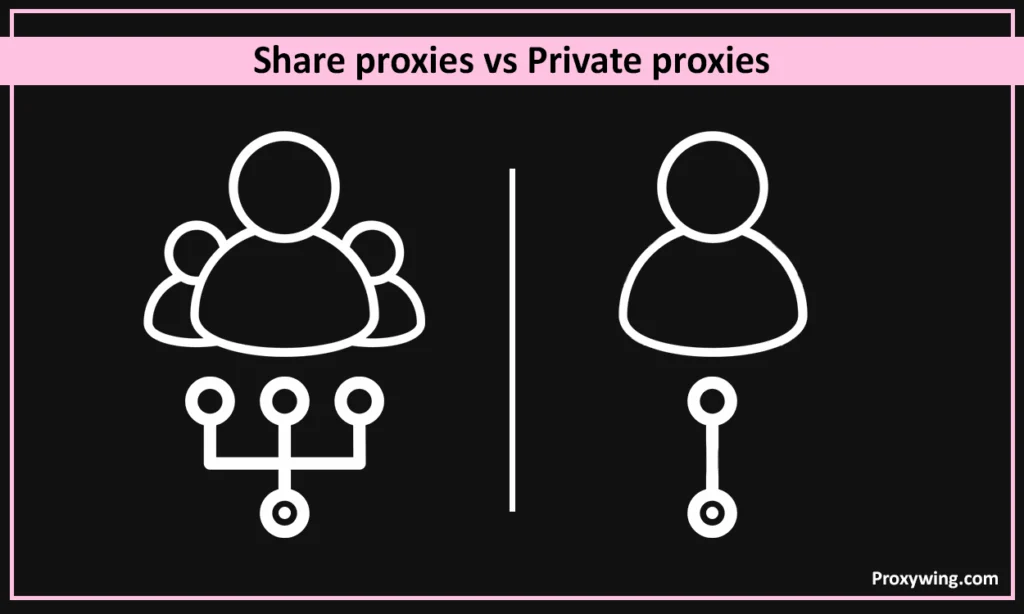
In today’s online world, protecting your personal data is more important than ever. Hackers, data trackers, and even websites themselves can track your online activity. This is where a private proxy comes in. Unlike shared proxies or public servers, private proxies give you exclusive access to a server, making your internet activity more secure, anonymous, and faster.
In this guide, we’ll explain what a private proxy is, how it works, its benefits, real-world applications, and why it might be the right choice for you. We’ll also answer common questions about private proxies so you can make an informed decision.
What Is a Private Proxy?
A private proxy is a type of server that acts as an intermediary between your device and the internet. When you use it, your requests first go to the proxy server, which then forwards them to the website or service you want to access. The response from the website is then sent back through the proxy to your device.
The key difference between a private proxy and a public one is exclusivity. Private proxies are reserved for a single user or a limited number of users. This exclusivity ensures better performance, faster speeds, and increased security compared to shared or free proxies.
How Does a Private Proxy Work?
A private proxy works like a middleman that hides your real IP address. Here’s a simple step-by-step explanation:
- You make a request – For example, you try to access a website or download a file.
- The request goes to the private proxy server – The server receives your request and replaces your IP address with its own.
- The server sends the request to the website – The website sees the proxy server’s IP instead of your real one.
- The website sends the response back – The proxy server receives the response and forwards it to your device.
This process makes your online activity appear as if it’s coming from the proxy server instead of your personal device. The result? Greater anonymity and improved security.
Types of Private Proxies
Private proxies come in several types depending on your needs:
- Dedicated HTTP/HTTPS Proxies – Ideal for web browsing, social media, and streaming. HTTPS proxies encrypt your data for better security.
- SOCKS5 Proxies – More versatile and faster, SOCKS5 proxies support various types of traffic, including email, torrenting, and gaming.
- Residential Proxies – These use real residential IPs, making them harder to detect. They are perfect for tasks like web scraping, ad verification, and accessing geo-restricted content.
- Data Center Proxies – Hosted in data centers, these proxies offer high speed and reliability but are easier to detect compared to residential IPs.
Benefits of Using a Private Proxy
1. Enhanced Privacy and Anonymity
Your real IP address is hidden, which prevents websites and trackers from monitoring your activity. This is especially important for tasks like social media management, e-commerce, and research.
2. Better Security
Private proxies act as a shield against hackers and malicious websites. Some proxies even include encryption, adding an extra layer of protection to your online activities.
3. Faster Speeds
Unlike shared proxies, which are used by multiple people at once, private proxies offer dedicated bandwidth. This means fewer slowdowns and buffering, making them ideal for streaming and downloading.
4. Access to Geo-Restricted Content
Some websites and services restrict access based on your location. Private proxies allow you to use IP addresses from other countries, bypassing geo-blocks and unlocking content.
5. Reliable Performance
With private proxies, you don’t have to worry about IP bans or slow connections caused by other users. You get consistent performance for business or personal needs.
Real-World Applications of Private Proxi
Private proxies are not just for tech enthusiasts—they are useful in multiple fields:
- Digital Marketing – Agencies use private proxies to manage multiple social media accounts without getting banned.
- E-commerce – Sellers monitor competitor pricing and stock levels using private proxies.
- Web Scraping – Researchers and analysts collect data from websites efficiently without triggering IP blocks.
- Gaming – Players reduce lag and prevent DDoS attacks by routing traffic through private proxies.
- Streaming and Entertainment – Access movies, shows, and live events that are restricted to certain countries.
Choosing the Right Private Proxy
When selecting a private proxy, consider the following factors:
- Speed and Reliability – Look for proxies with dedicated bandwidth to ensure smooth performance.
- Location – Choose IPs from countries that align with your needs, especially for geo-restricted content.
- Security Features – Opt for proxies that offer encryption and protection against malware.
- Compatibility – Ensure the proxy supports your desired applications, whether it’s web browsing, gaming, or streaming.
- Support and Maintenance – Reliable providers offer customer support, updates, and troubleshooting.
Private Proxy vs. Public Proxy
| Feature | Private Proxy | Public Proxy |
| IP Exclusivity | Yes | No |
| Speed | High | Variable |
| Security | Strong | Weak |
| Risk of Ban | Low | High |
| Cost | Paid | Often Free |
As you can see, private proxies provide better security, speed, and reliability, making them worth the investment.
Conclusion
Private proxies are powerful tools that enhance your online privacy, security, and performance. Whether you are a business owner managing multiple accounts, a gamer seeking faster connections, or a streamer accessing geo-restricted content, private proxies offer dedicated resources that shared proxies simply cannot match.
Investing in a private proxy ensures that your online activities remain anonymous, your data stays secure, and your internet experience is faster and smoother. As the internet continues to evolve, having a private proxy is no longer a luxury—it’s becoming a necessity for safe and efficient online operations.
FAQs About Private Proxy
1. What is the main difference between a private and a public proxy?
A private proxy is exclusive to one user or a small group, providing better speed, security, and anonymity. A public proxy is shared among many users and often slower and less secure.
2. Can I use a private proxy for streaming?
Yes. Private proxies allow you to bypass geo-restrictions and stream content from different countries with minimal buffering.
3. Are private proxies legal?
Yes. Using private proxies for legitimate purposes like privacy, security, or accessing geo-restricted content is legal in most countries. However, using them for illegal activities is prohibited.
4. How do I know which type of private proxy is right for me?
It depends on your needs. HTTP/HTTPS proxies are ideal for browsing and social media, SOCKS5 for gaming or torrents, residential proxies for web scraping, and data center proxies for speed-intensive tasks.
5. Can private proxies prevent hacking and malware?
While private proxies improve security and hide your IP, they cannot fully prevent malware. Combining a private proxy with antivirus software and secure browsing practices offers better protection.
