

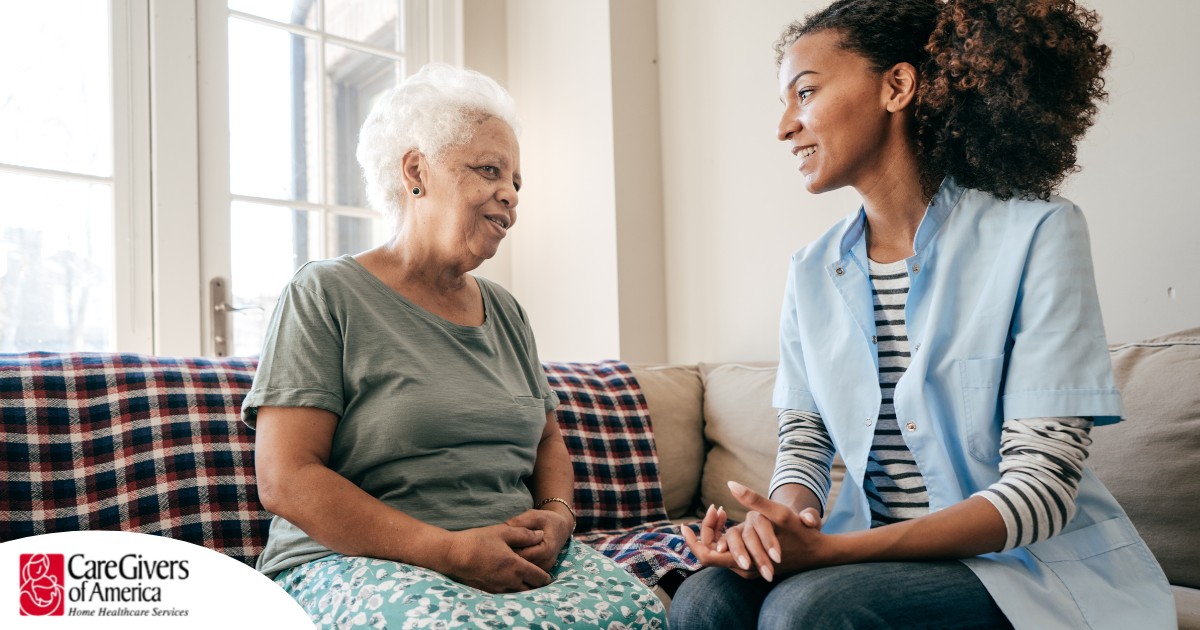
When families first hear the term “non-medical home care,” many aren’t quite sure what it actually means. Some imagine basic housekeeping. Others worry it’s not enough support. In reality, non-medical home care plays a vital role in helping seniors live safely, comfortably, and with dignity at home. It focuses on the everyday moments that make life manageable, and meaningful.
Understanding what non-medical home care looks like day to day can help families make confident decisions and see why this type of care matters so much.
Starting the Day With Support
For many seniors, mornings can be the hardest part of the day. Stiff joints, low energy, or balance issues can make getting out of bed challenging. A non-medical caregiver often begins the day by helping a senior start safely and comfortably.
Morning support may include:
- Assistance getting out of bed
- Help with bathing, grooming, and dressing
- Preparing breakfast
- Medication reminders
- Light tidying to keep the space safe
This support allows seniors to begin the day with confidence rather than frustration. It also helps prevent falls and injuries during vulnerable moments.
Helping With Daily Routines
Non-medical home care is about maintaining routines, not replacing them. Caregivers encourage seniors to do what they can while providing help where it’s needed.
Throughout the day, caregivers may:
- Assist with walking or transfers
- Help with light household tasks
- Provide companionship and conversation
- Support hobbies or favorite activities
- Offer reminders for meals or hydration
These moments may seem small, but they add up. Maintaining routines helps seniors feel normal, capable, and in control of their lives.
Supporting Nutrition and Mealtimes
Eating well can become difficult with age. Some seniors lose interest in cooking or forget to eat altogether. Others may struggle with grocery shopping or meal preparation.
Non-medical caregivers can help by:
- Planning simple, healthy meals
- Grocery shopping with or for the senior
- Preparing meals and snacks
- Encouraging hydration
Good nutrition supports strength, energy, and overall health. Having someone there to help can make mealtimes safer and more enjoyable.
Providing Companionship and Emotional Support
One of the most important parts of non-medical home care is companionship. Loneliness is a serious issue for many seniors, especially those who live alone.
Caregivers offer:
- Conversation and social interaction
- Emotional support during difficult moments
- A listening ear and friendly presence
- Encouragement to stay engaged
These connections can improve mood, reduce anxiety, and even support cognitive health. For many seniors, having someone to talk to is just as important as physical assistance.
Helping Seniors Stay Active
Staying active is key to maintaining independence. Non-medical caregivers can encourage safe movement and gentle activity throughout the day.
This may include:
- Walking together
- Light stretching
- Supporting physical therapy exercises
- Helping seniors move safely around the home
Movement helps maintain strength, balance, and confidence. With the right support, seniors are more likely to stay active rather than withdraw out of fear.
Evening and Nighttime Support
Evenings can bring fatigue, confusion, or anxiety for some seniors. Non-medical caregivers can help with:
- Preparing dinner
- Evening hygiene routines
- Medication reminders
- Getting ready for bed
For those who need it, overnight care or extended hours provide extra safety and reassurance during the night. Knowing someone is there can make a big difference for both seniors and their families.
Adapting Care as Needs Change
One of the strengths of non-medical home care is flexibility. Care plans are not fixed. They grow and change as a senior’s needs change.
A few hours of care a week may be enough at first. Over time, families may add more support, overnight care, or live-in care. This gradual approach allows seniors to adjust comfortably and helps families plan ahead.
Local providers like ComForCare Mercer work closely with families to adapt care as needs evolve, ensuring seniors receive the right level of support without unnecessary disruption.
Why Non-Medical Care Matters
Non-medical home care focuses on prevention. By helping with daily tasks, caregivers reduce the risk of falls, missed medications, poor nutrition, and isolation. These supports can prevent hospital visits and delay the need for assisted living or nursing facilities.
Equally important, non-medical care supports dignity. Seniors receive help without losing their sense of self. They remain in familiar surroundings, follow their own routines, and make choices about their daily lives.
Supporting Families Too
Non-medical home care doesn’t just support seniors, it supports families. Adult children often juggle work, parenting, and caregiving. Spouses may feel overwhelmed trying to do everything alone.
Caregivers provide relief, reassurance, and consistency. Families can rest knowing someone reliable is there. This support helps prevent burnout and allows families to enjoy time together without constant stress.
Providers such as ComForCare Mercer emphasize communication and accessibility, helping families feel supported and informed every step of the way.
A Day That Feels Normal
At its core, non-medical home care is about helping seniors have normal days. Days that include meals, conversations, routines, and rest. Days that feel safe and familiar.
These everyday moments matter. They shape quality of life and allow seniors to age with comfort and confidence.
More Than Help—It’s a Partnership
Non-medical home care is not about taking over. It’s about partnering with seniors and families to support independence. Caregivers become trusted allies who help navigate daily life with compassion and respect.
In Mercer County, organizations like ComForCare Mercer help families understand what care really looks like day to day, and why those small, consistent supports make such a meaningful difference.
When families see non-medical home care in action, they often realize it’s not just about help. It’s about preserving dignity, safety, and the simple joys of everyday life at home.
