

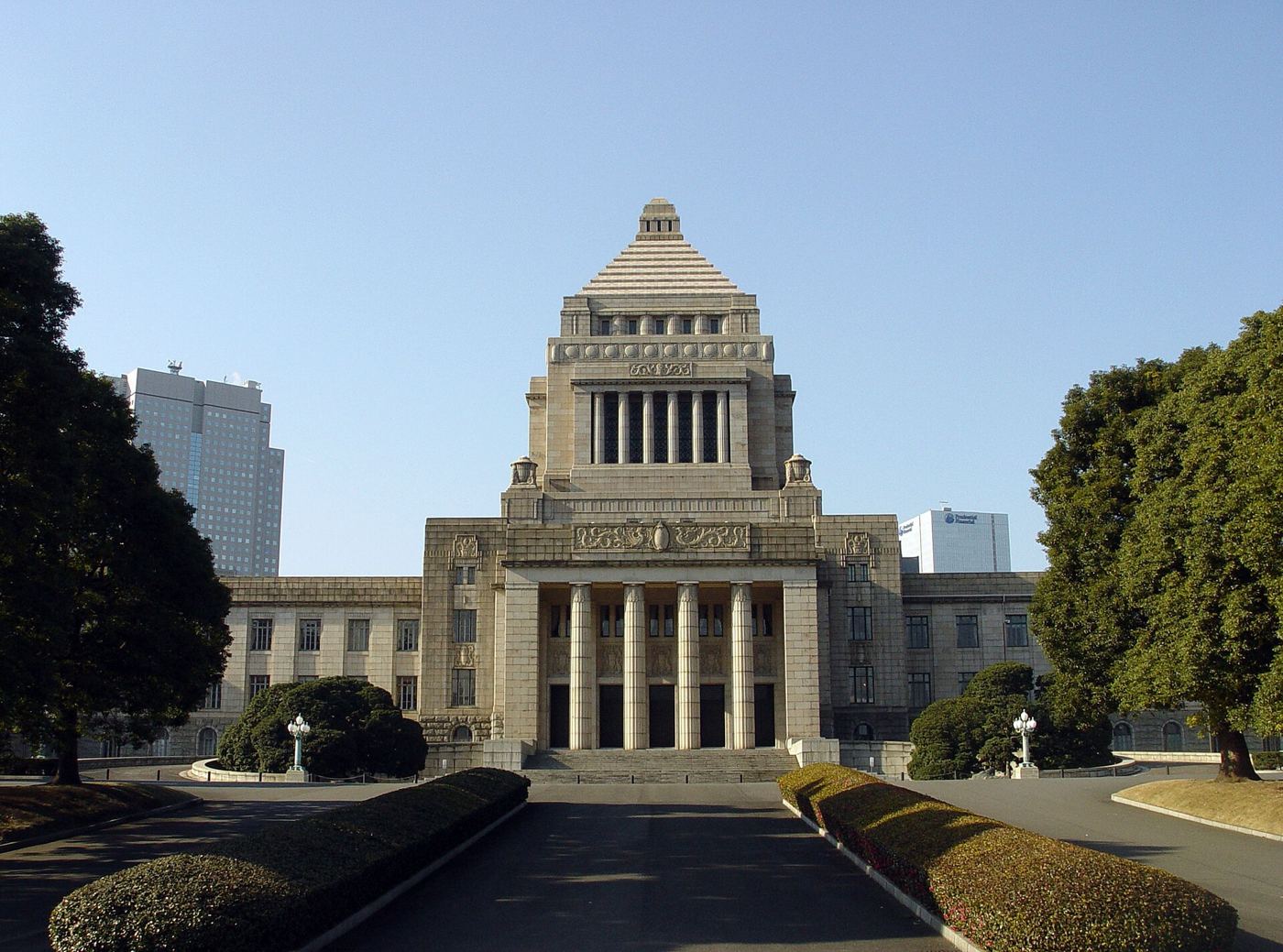
Japan has elected its first woman prime minister, a milestone in a country where women remain scarce at the top of politics and business. Sanae Takaichi, leader of the ruling Liberal Democratic Party, won the vote in parliament in October 2025 to become prime minister, after winning the party leadership contest that put her in line for the job. She is a long-serving politician and a former minister, known for conservative views on security, the constitution and the economy, and for her close political ties to the late former prime minister Shinzo Abe. Her rise came at a difficult moment for the ruling party, which had lost its majority in both houses of parliament and needed a leader who could rebuild public trust and hold a fragile coalition together. For many Japanese women, the appointment was symbolic as well as political: Japan has long ranked low among wealthy countries for women’s representation in parliament and in company boardrooms.
What the Evidence Shows
Takaichi’s government faces the same pressures that have dogged Japanese leaders for years, starting with an economy squeezed by a weak yen, rising prices and a shrinking, ageing population. She has promised to strengthen defence spending, support households hit by inflation, and push ahead with economic policies aimed at growth, while managing a minority government that must negotiate every bill with opposition parties. Her foreign policy will be watched closely in Washington, Beijing and Seoul, as Japan balances its security alliance with the United States against its huge trade ties with China. Supporters describe her as a decisive leader with deep experience in government; critics question whether a conservative prime minister will do much to widen opportunities for women in a country where the gender pay gap remains wide. Either way, her election breaks a barrier that stood for the whole of Japan’s post-war history. She also inherits a party still rebuilding trust after a funding scandal that damaged its standing with voters. Reporting and analysis from sources such as BBC News track the same developments, and specialists following Japan first woman prime minister say the direction is now consistent across independent lines of evidence.
The Wider Context
The wider context is a public conversation conducted at a speed institutions were not built for. Developments around Japan first woman prime minister are announced, contested and revised within a single news cycle, and the officials involved have learned to publish evidence alongside claims so that scrutiny can actually occur. Trust, the polling suggests, follows that transparency more than it follows confidence.
What Happens Next
What happens next in the story of Japan first woman prime minister will be decided in the places where it is being implemented, measured and argued about in public. The officials and organisations involved have committed to publishing progress data, and that commitment gives residents, businesses and journalists something firmer than promises to judge. The next milestones are dated, which means they can be checked. You can follow related developments in our coverage of news.
None of this will be settled by a single announcement, study or product launch. The pattern to watch is accumulation: independent confirmations, honest reporting of failures and steady improvement in the underlying numbers. Readers who follow those signals, rather than the loudest claim of the week, will understand this subject better than most of the commentary surrounding it suggests is possible.
