

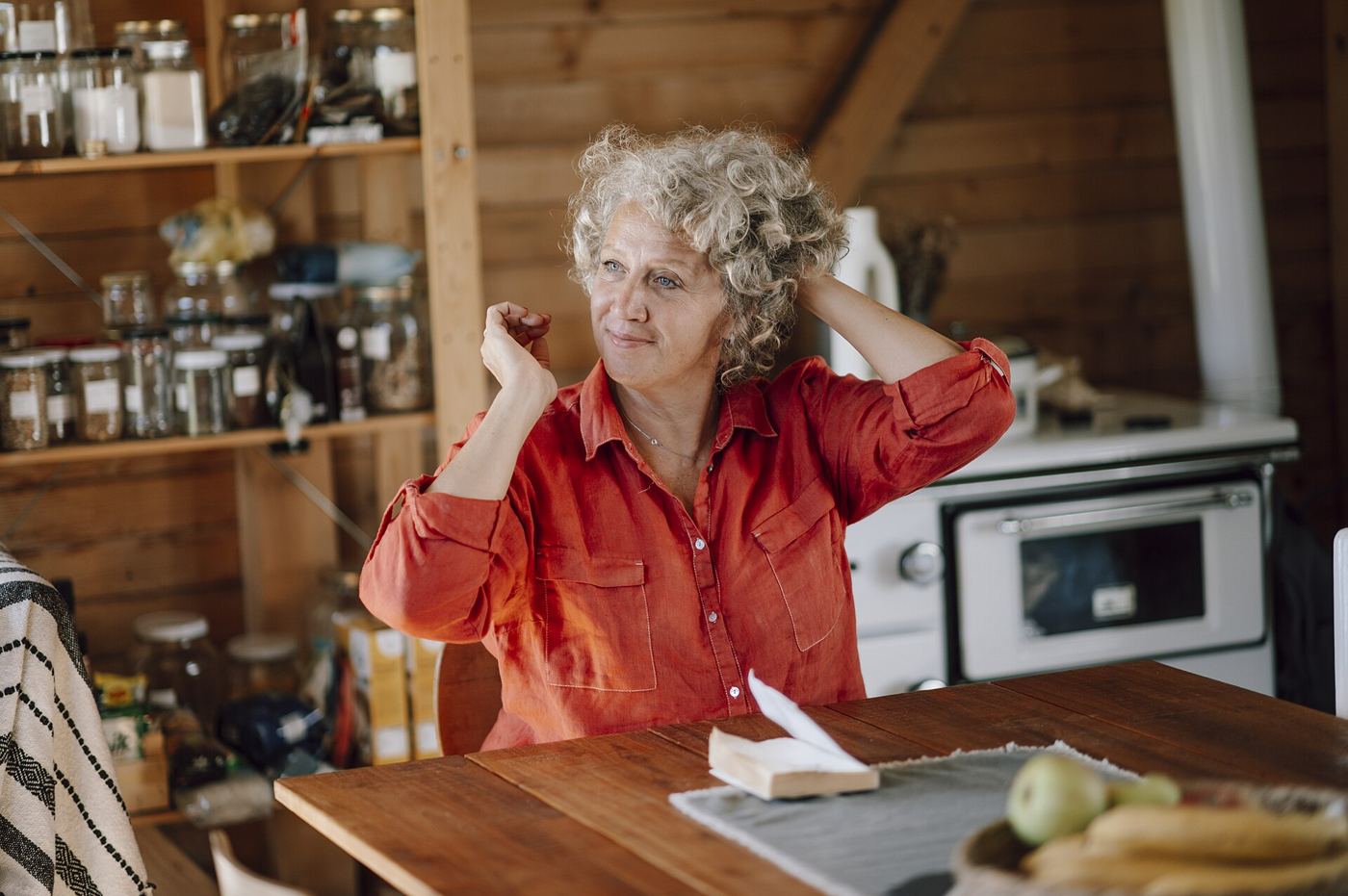
Herbs and spices are adding flavour without adding extra salt, as cooks discover that a well-seasoned dish needs far less salt to taste good. Too much salt is linked with higher blood pressure, and health experts say most people eat more than they realise, much of it hidden in bread, sauces and ready meals. Fresh herbs such as basil, parsley, coriander and mint, and spices such as cumin, paprika, turmeric and chilli, bring colour, aroma and warmth to a meal without any salt at all. Garlic, ginger, lemon juice and vinegar add sharpness that wakes up plain ingredients such as beans, rice and vegetables. Dietitians say the swap is one of the easiest healthy changes in the kitchen, because the food tastes better, not blander, and the cook stays in control of the salt shaker. Home cooks who grow a few herbs on a windowsill find the change almost free.
What the Evidence Shows
Experts advise adding herbs near the end of cooking, so their flavour stays fresh, and toasting whole spices briefly in a dry pan to release their aroma. A simple habit is to taste before reaching for salt, and to measure the salt used for a week to see how much is really going in. Reading labels helps too, since sauces, stock cubes and ready meals often carry the most salt. Chilli and black pepper add heat without sodium, while a squeeze of lemon can lift a dish that feels flat. Anyone advised by a clinician to limit salt should ask for personal guidance. For most cooks, dietitians say, herbs and spices turn lower-salt cooking from a sacrifice into a pleasure. Reporting and analysis from sources such as The Lancet track the same developments, and specialists following cooking with herbs and spices instead of salt say the direction is now consistent across independent lines of evidence.
The Wider Context
Equity runs through every discussion of cooking with herbs and spices instead of salt. Interventions that require apps, fees or free weekday afternoons reliably reach the people who need them least, so the programmes earning praise are those designed around clinics, workplaces and community venues that already serve everyone. Evaluation reports now publish uptake by income and region as a matter of routine.
What Happens Next
The practical takeaway on cooking with herbs and spices instead of salt is deliberately unglamorous: it works best as part of ordinary, well-delivered care rather than as a standalone fix. Health services are planning on that basis, building the referral routes and follow-up that turn a promising result into population benefit. The gains arrive slowly and then, in the statistics, unmistakably. You can follow related developments in our coverage of health.
It is also worth remembering how quickly the picture in this area has changed before. Positions that looked settled a few years ago have been revised as new data arrived, and the same humility is appropriate now. The strongest coverage of this subject, and the most useful advice, tends to come from sources that update their views openly when the facts move, rather than defending an earlier position long after it has stopped fitting the evidence available.
