

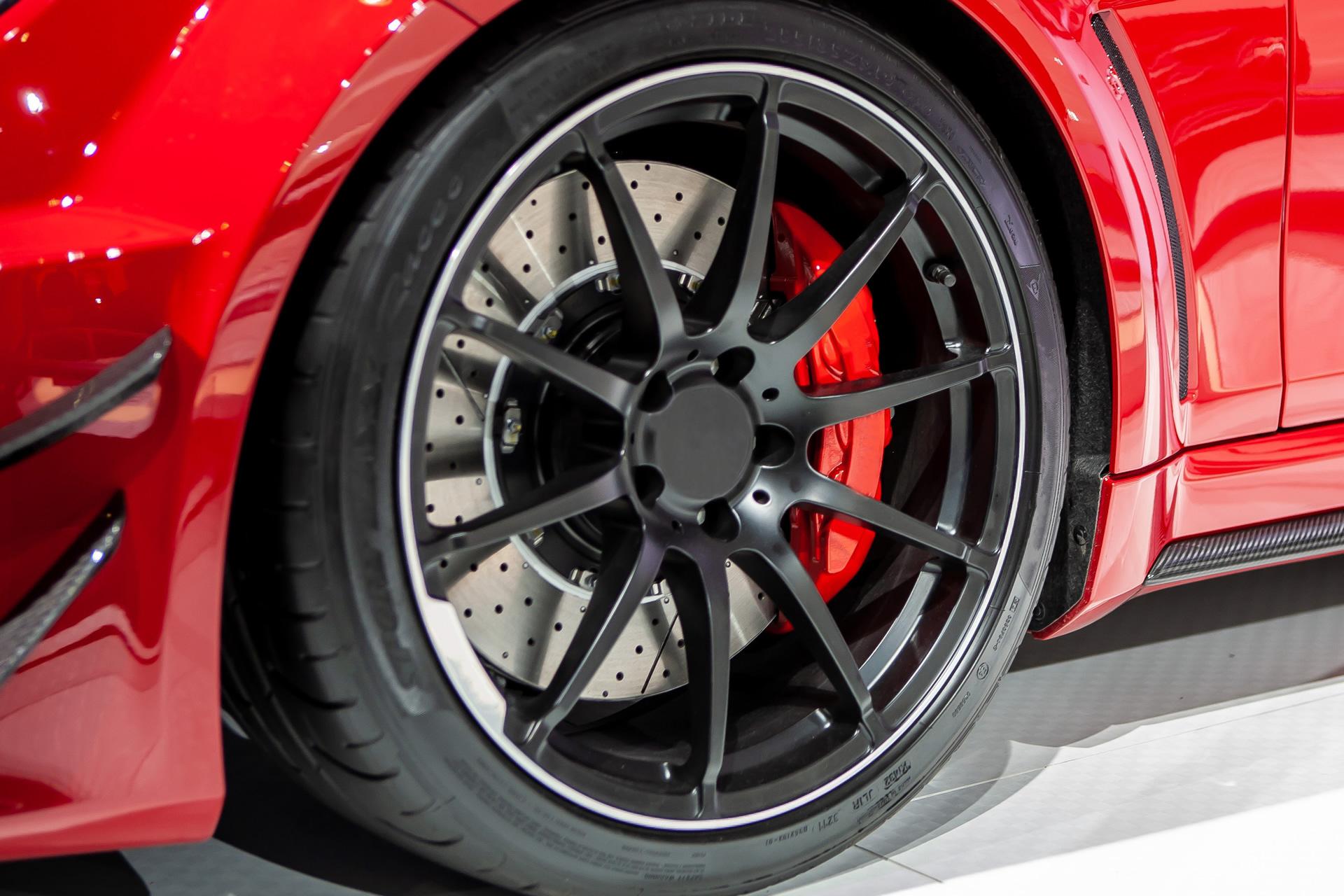
Introduction
A vehicle’s appearance is influenced by many details, and its wheels are among the most noticeable. Even when the bodywork is clean and the paintwork is in excellent condition, scratched, corroded or faded alloy wheels can make the entire vehicle look neglected. Everyday driving exposes wheels to road debris, potholes, kerbs, moisture, brake dust and changing weather conditions. Over time, these factors can affect both their appearance and condition.
Alloy wheels are popular because they combine an attractive design with relatively low weight and practical performance benefits. However, maintaining their original finish requires attention. Small scratches and surface imperfections may gradually become more noticeable, particularly when corrosion or damaged coatings begin to develop.
Professional refurbishment offers an opportunity to restore the appearance of existing wheels without immediately purchasing replacements. For motorists looking for dependable Alloy wheel repairs Telford, understanding the restoration process can help them make informed decisions about maintaining their vehicles.
Why Alloy Wheels Need Regular Attention
Alloy wheels experience constant exposure to conditions that can gradually affect their finish. Unlike some other exterior components, they are positioned close to the road, where dirt, stones, water and other contaminants regularly come into contact with their surfaces.
Kerb contact is one of the most common causes of cosmetic wheel damage. Even a relatively minor parking mistake can leave scratches along the outer edge of a wheel. Repeated contact can make the damage more visible and create an uneven appearance.
Brake dust is another consideration. Particles produced during normal braking can settle on wheel surfaces. When combined with moisture and road contamination, these deposits can become difficult to remove through ordinary washing.
Winter conditions can also contribute to deterioration. Road salt and moisture may affect damaged paint coatings, particularly where the underlying alloy has become exposed.
Other common problems include:
- Scratches caused by road debris and accidental contact.
- Corrosion developing beneath damaged protective coatings.
- Peeling or flaking paint.
- Discolouration caused by environmental exposure.
- Damage to polished or diamond-cut finishes.
- Surface imperfections resulting from previous repairs.
Identifying these issues early makes it easier to determine whether a cosmetic repair or more extensive refurbishment is appropriate.
Understanding the Difference Between Repair and Replacement
When an alloy wheel becomes damaged, replacement is not necessarily the only available option. Depending on the nature and extent of the damage, professional restoration may provide a practical alternative.
Replacing a complete set of alloy wheels can represent a considerable expense, especially when the vehicle has manufacturer-specific designs or premium wheel finishes. Refurbishment allows motorists to retain their existing wheels while addressing visible deterioration.
However, the correct approach depends on an initial assessment. Cosmetic scratches, damaged coatings and certain surface imperfections may be suitable for refurbishment. Structural damage requires a more careful inspection to determine whether a wheel can be safely repaired.
A professional technician can examine the affected areas, identify the type of damage and explain the available options. If a wheel is unsuitable for repair, replacement or another appropriate solution may be recommended.
This assessment is important because appearance should never take priority over road safety.
How Professional Alloy Wheel Refurbishment Works
A quality refurbishment involves more than simply applying another layer of paint. The preparation and treatment of the original surface play an important role in achieving a consistent finish.
The precise process varies according to the wheel’s construction, existing coating and condition. A typical restoration procedure may involve several stages.
1. Initial Inspection
The process begins with an examination of the wheels. Technicians look for kerb damage, corrosion, scratches, previous repairs and other imperfections.
This assessment helps establish the extent of the work required. It also allows the technician to determine whether the wheel needs cosmetic attention or a more comprehensive restoration.
2. Removing Previous Coatings
Where a full restoration is necessary, existing paint and protective coatings may need to be removed.
Chemical treatment can help separate old coatings from the alloy surface. The wheels are then cleaned to remove remaining contaminants and prepare them for subsequent work.
Proper preparation is essential because applying new coatings over deteriorated material can affect the final appearance and durability.
3. Surface Preparation
Once the previous coating has been removed, the surface can be examined and prepared.
Blasting techniques may be used to clean the alloy and create a suitable surface for further treatment. Damaged areas also need attention so that the final finish looks consistent.
The objective is to create a clean, properly prepared foundation for the new coating system.
4. Primer Application
An appropriate primer provides an important foundation for the finishing layers.
Electrostatic primer application is one of the methods used in professional wheel restoration. It helps prepare the surface for subsequent paint applications.
The preparation and application stages need to be carried out carefully to support an even finish.
5. Colour and Protective Coating
The selected colour is applied after the primer has been prepared. A suitable topcoat provides the final appearance and contributes to the wheel’s protective finish.
Motorists may choose to retain an original appearance or explore a different colour depending on their vehicle’s design.
The finished wheel should have a consistent appearance across its visible surfaces, with attention given to the details around the spokes, edges and centre sections.
Choosing the Right Finish for Your Vehicle
Alloy wheel designs have developed considerably over the years. Manufacturers now produce wheels in a wide range of finishes, including silver, black, graphite, polished metal and more distinctive combinations.
Choosing the correct finish can influence the overall appearance of a vehicle.
Traditional silver wheels provide a familiar appearance that complements many vehicle colours. Dark finishes can create a stronger contrast, particularly on lighter vehicles. Polished and diamond-cut designs offer a distinctive appearance through their reflective surfaces.
Some motorists also consider changing the colour of their wheels as part of a wider vehicle makeover.
Professional refurbishment can help achieve a coordinated appearance without necessarily purchasing a completely new set of wheels.
The choice should consider the original wheel design, the vehicle’s exterior colour and the type of finish that can be maintained effectively.
Diamond-Cut Wheels Require Specialist Attention
Diamond-cut alloy wheels have a distinctive appearance created by machining the visible face of the wheel to produce a bright metallic finish.
Although attractive, this type of finish requires specialist treatment when damage occurs.
The machining process removes a thin layer of material from the wheel’s surface. This means that repeated refurbishment needs to be approached carefully because the amount of material that can be removed is limited.
After the damaged surface has been treated, suitable protective coatings are important to help preserve the finish.
A professional assessment can establish whether the existing wheel is suitable for another diamond-cut restoration or whether a different refurbishment method would be more appropriate.
Understanding these limitations helps motorists avoid unnecessary work and choose a solution that considers the wheel’s long-term condition.
The Importance of Professional Equipment and Experience
Wheel restoration requires suitable equipment, preparation techniques and practical knowledge.
Different wheel designs and finishes present different challenges. A repair method that works for a painted alloy may not be appropriate for a polished or diamond-cut surface.
Technicians need to understand how to prepare materials, select suitable coatings and achieve consistent results.
Auto Perfection provides alloy wheel restoration and cosmetic repair services in Telford and the surrounding Shropshire area. Its services include mobile repairs and workshop-based restoration, allowing customers to explore different options depending on the work required.
The company also provides services for trade customers and dealerships, where maintaining the presentation of vehicles can be particularly important.
Experience is valuable when assessing damage because not every wheel should automatically be treated in the same way.
Maintaining Refurbished Alloy Wheels
After refurbishment, regular maintenance can help preserve the appearance of the restored finish.
Motorists can follow several practical habits to reduce the accumulation of dirt and contaminants.
Clean wheels regularly. Removing brake dust and road dirt before they become difficult to remove helps maintain the appearance of the surface.
Use suitable cleaning products. Harsh chemicals and unsuitable cleaning equipment can affect certain wheel finishes. Choosing products designed for alloy wheels is a sensible approach.
Avoid unnecessary kerb contact. Careful parking reduces the likelihood of scratches and damage to the outer wheel edges.
Inspect wheels periodically. Checking for chips, corrosion and new scratches makes it easier to identify problems before they become more extensive.
Follow professional aftercare guidance. Different coatings and finishes may have different maintenance requirements, so advice from the repair specialist should be followed.
These straightforward steps can help motorists protect their investment and maintain a cleaner overall appearance.
Mobile Repairs and Convenience for Local Motorists
Finding time to arrange vehicle repairs can be difficult for people with demanding work schedules and family responsibilities.
Mobile alloy wheel repair services offer an alternative for suitable repair jobs. Instead of arranging a separate journey to a workshop, customers can have certain repairs carried out at their home or workplace.
This arrangement can be particularly useful for minor cosmetic damage, including scuffs and scratches.
Auto Perfection provides mobile alloy wheel repair services across Telford and surrounding locations. Its mobile facilities are designed to handle a range of repair requirements, while more extensive work can be directed to its restoration centre where necessary.
The appropriate service depends on the type of wheel, the severity of the damage and the equipment required.
When Should You Arrange a Professional Inspection?
There are several situations where arranging an inspection is worthwhile.
Visible scratches, damaged paint, peeling coatings and corrosion are reasons to consider cosmetic refurbishment. A wheel that has suffered a significant impact should also be checked, particularly if the driver notices changes in vehicle behaviour.
Vibrations, tyre pressure loss or unusual handling should not be ignored. These symptoms can have different causes, and a qualified professional should establish whether the wheel is affected.
Cracks and structural damage require particular attention. Not every damaged alloy is suitable for repair, and motorists should avoid continuing to use a wheel that may be unsafe.
An assessment provides an opportunity to understand the available options before deciding on the next step.
Conclusion
Alloy wheels contribute significantly to the appearance and presentation of a vehicle. However, everyday driving conditions can gradually affect their finish through scratches, corrosion, kerb damage and general wear.
Professional refurbishment offers a practical way to address many cosmetic problems while allowing motorists to retain their existing wheels where appropriate. From surface preparation and coating removal to colour application and protective finishing, every stage contributes to the final result.
For drivers considering Alloy wheel refurbishment in Telford, selecting an experienced repair specialist is an important part of the process. A proper assessment, suitable restoration techniques and sensible aftercare can help maintain the appearance of alloy wheels while ensuring that safety remains the priority.
Whether dealing with everyday cosmetic damage or planning a complete vehicle refresh, professional wheel care can make a noticeable difference to the overall presentation of a car.
