

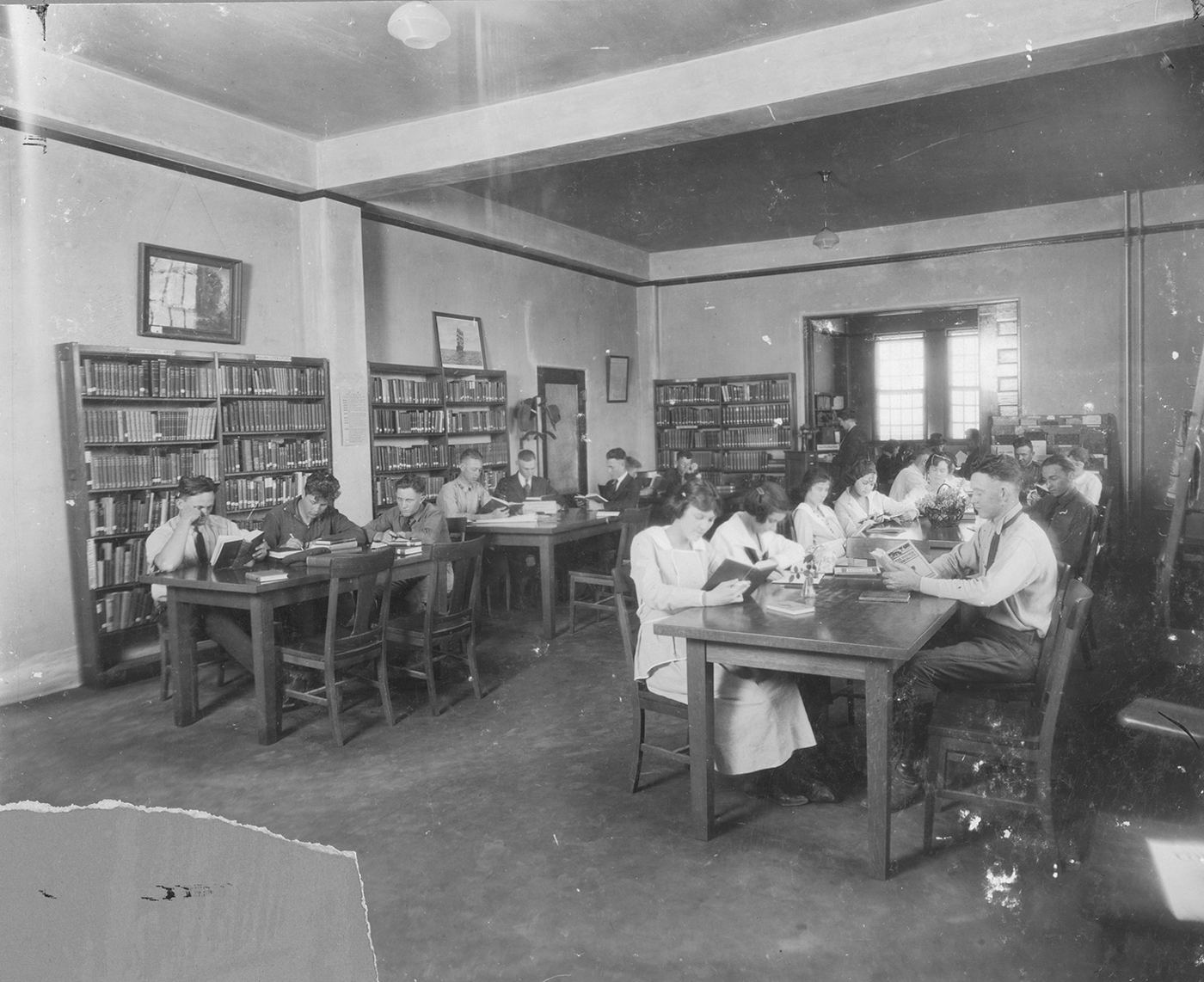
Public libraries are expanding their role as community hubs, offering far more than books to the neighbourhoods they serve. Many now host job-search workshops, children’s story sessions, adult learning classes and advice surgeries, alongside the lending shelves and reading rooms that have always been their core. Librarians say the shift reflects how people actually use the buildings: as free, warm and welcoming spaces where anyone can spend time without spending money. Some libraries lend more than books, with collections that include laptops, tools, musical instruments and even seeds for community gardens. Others have become informal meeting places for new parents, older residents and newcomers to an area, helping to tackle loneliness and isolation. Funding remains tight, and many libraries have faced cuts, but supporters argue that the widening range of services makes the case for keeping them open stronger than ever. The buildings themselves are changing too, with reading rooms rearranged to make space for group activities, study areas and community meetings.
What the Evidence Shows
The new services are often delivered in partnership with other local organisations, which helps libraries stretch limited budgets. Health workers run drop-in sessions, charities offer benefits advice, and local colleges teach digital skills classes in library rooms. Digital access is a growing part of the offer, with free wifi, public computers and help for people applying for jobs or benefits online, a lifeline for residents without internet at home. Children’s programmes remain central, with reading challenges and homework clubs that support literacy and give parents a free activity during school holidays. Some libraries have also become venues for local history exhibitions, author talks and community meetings, drawing in people who might never borrow a book. Critics of the expansion worry that libraries are being asked to do too much with too little, and that core book budgets suffer. Librarians respond that the services grow from what communities ask for, and that a library which adapts is a library that survives. Reporting and analysis from sources such as BBC News track the same developments, and specialists following libraries as community hubs say the direction is now consistent across independent lines of evidence.
The Wider Context
The wider context is a public conversation conducted at a speed institutions were not built for. Developments around libraries as community hubs are announced, contested and revised within a single news cycle, and the officials involved have learned to publish evidence alongside claims so that scrutiny can actually occur. Trust, the polling suggests, follows that transparency more than it follows confidence.
What Happens Next
What happens next in the story of libraries as community hubs will be decided in the places where it is being implemented, measured and argued about in public. The officials and organisations involved have committed to publishing progress data, and that commitment gives residents, businesses and journalists something firmer than promises to judge. The next milestones are dated, which means they can be checked. You can follow related developments in our coverage of news.
None of this will be settled by a single announcement, study or product launch. The pattern to watch is accumulation: independent confirmations, honest reporting of failures and steady improvement in the underlying numbers. Readers who follow those signals, rather than the loudest claim of the week, will understand this subject better than most of the commentary surrounding it suggests is possible.
