

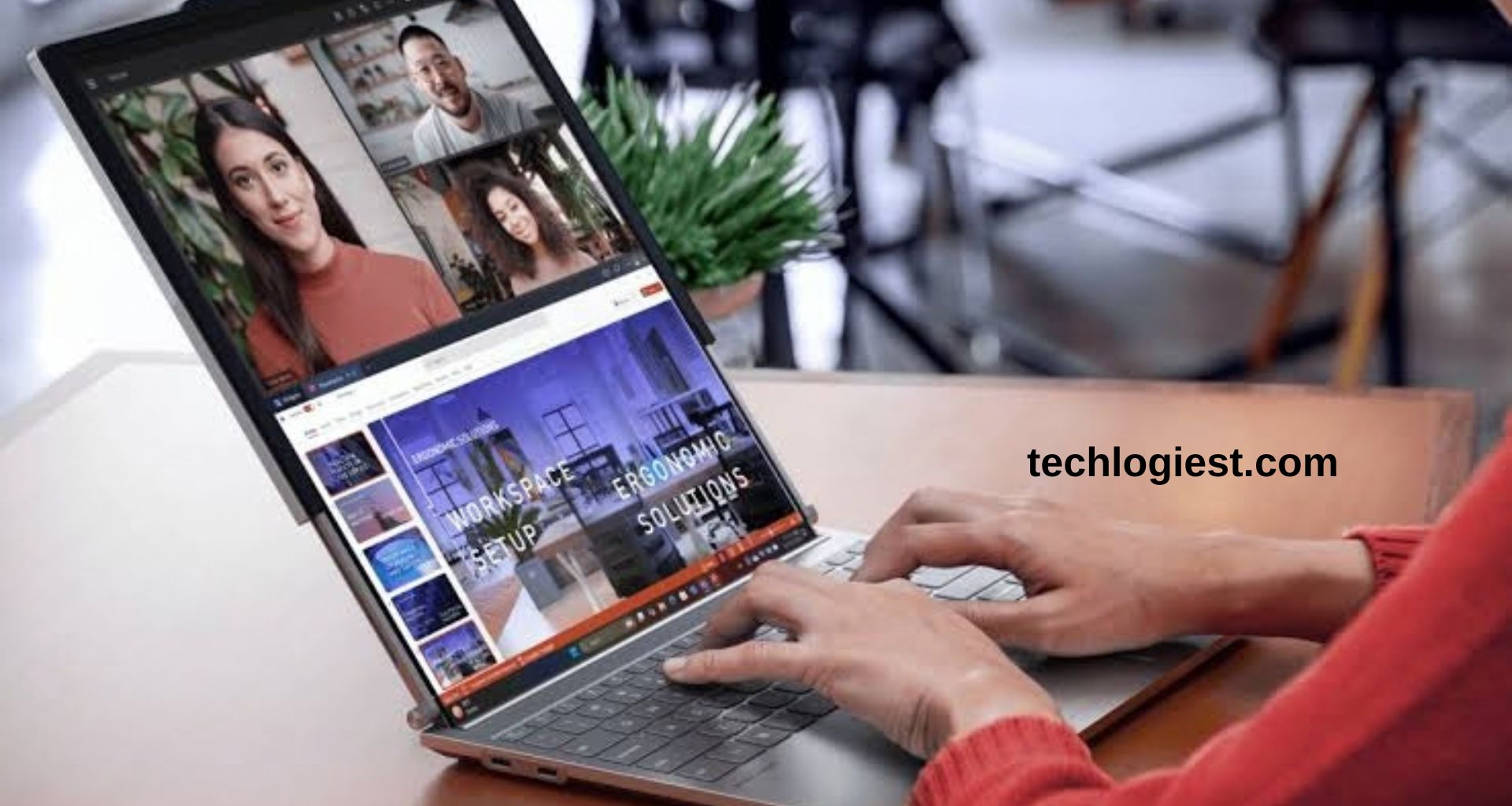
Display technology is entering an exciting new era. Smartphones, laptops, televisions and other digital devices continue to evolve as manufacturers search for ways to deliver brighter images, richer colors, sharper details and improved energy efficiency. New display innovations could transform how people watch movies, play games, work, study and interact with digital content. From advanced OLED panels and MicroLED screens to next-generation quantum dots and flexible displays, researchers and technology companies are exploring solutions that could improve everyday viewing experiences. These developments aim to make screens more realistic, responsive, durable and efficient.
The growing demand for better displays is also encouraging competition among manufacturers. Consumers increasingly expect premium picture quality, thinner devices, longer battery life and more immersive entertainment. As a result, display technology has become an important part of the future of consumer electronics.
Read More: Why AI Data Centers Are Driving a Massive Technology Shift
What Is New Display Technology?
New display technology refers to improvements in the materials, lighting systems, pixels and manufacturing methods used to create digital screens. These innovations can improve image quality, reduce power consumption and introduce new designs that were difficult to achieve with traditional display panels. Conventional LCD screens use a backlight to illuminate pixels. OLED displays work differently because individual pixels produce their own light. This allows OLED screens to deliver deep blacks and strong contrast.
Newer technologies are building on these advantages. MicroLED displays use microscopic light-emitting diodes, while quantum-dot technology can improve color reproduction and brightness. Other developments focus on flexible panels, higher refresh rates and more advanced methods of controlling light. Although each technology has its own strengths and limitations, their shared goal is to provide a better viewing experience across a wide range of devices.
How New Display Technology Could Transform Smartphones
Smartphones are among the biggest beneficiaries of display innovation. People use their phones for communication, entertainment, photography, gaming, online learning and professional tasks. A better screen can improve almost every part of this experience.
Brighter Screens and Better Color Accuracy
Future smartphone displays could deliver improved brightness, more accurate colors and clearer details in different lighting conditions. These improvements would make outdoor viewing easier while helping photos and videos appear closer to their original appearance. Advanced OLED technology already provides excellent contrast and vibrant colors. Further improvements in display materials and pixel control could make screens more efficient without sacrificing image quality.
Better color accuracy would also benefit photographers, designers and content creators who depend on reliable on-screen visuals.
Improved Battery Efficiency
Battery life remains an important consideration for smartphone users. A display consumes a meaningful portion of a phone’s power, particularly when the screen is bright or remains active for long periods. New display materials, improved pixel designs and more efficient control systems could reduce energy consumption. Technologies such as LTPO panels can also adjust refresh rates according to the displayed content, helping save power when high refresh rates are unnecessary.
For consumers, these improvements could mean longer usage between charges, especially when combined with more efficient processors and battery systems.
Flexible and Foldable Displays
Flexible display technology has already made foldable smartphones possible. However, future improvements could make these devices thinner, lighter and more practical for everyday use. Manufacturers continue to explore stronger protective layers, improved hinges and display structures designed to withstand repeated folding. Better materials could help reduce visible creases and improve durability.
In the future, flexible displays may support new smartphone designs that combine portability with larger viewing areas. However, affordability and long-term reliability will remain important challenges.
The Future of Laptop Displays
Laptops are essential tools for students, office workers, programmers, designers and remote professionals. Improvements in display technology could make these devices more comfortable, productive and visually impressive.
Higher Resolution and Sharper Images
Modern laptops increasingly offer high-resolution displays, but future panels could provide even better clarity and more accurate colors. These improvements would be particularly useful for video editing, graphic design, digital illustration and professional photography. Sharper text can also improve the experience of reading documents, researching information and working with detailed spreadsheets.
However, resolution is only one part of display quality. Brightness, contrast, color accuracy and viewing angles also influence how good a screen looks.
Better Displays for Gaming
Gaming laptops require displays that can keep up with fast-moving action. High refresh rates, low response times and adaptive synchronization help create smoother gameplay. New display technologies could combine these features with improved contrast, stronger brightness and more accurate colors. This combination would allow games to look more realistic while remaining responsive during competitive play.
OLED displays are particularly attractive for gaming because of their fast pixel response and excellent contrast. Meanwhile, advances in LCD and Mini-LED technology continue to offer alternatives for users who prioritize brightness or other practical features. As these technologies develop, gaming laptops could provide more immersive experiences without requiring users to sacrifice visual performance.
Eye Comfort and Productivity
People often spend several hours each day looking at laptop screens. Display manufacturers are therefore paying greater attention to flicker control, brightness adjustment and viewing comfort. Future displays could offer more refined automatic brightness systems, improved anti-reflective coatings and flexible color-temperature settings. These features may help users work comfortably in different environments.
Nevertheless, no display can eliminate all eye strain. Taking regular breaks, adjusting screen brightness and maintaining a comfortable viewing distance remain useful habits.
How New Display Technology Could Change Televisions
Televisions are another major area where display innovation could have a significant impact. Consumers want larger screens, cinematic picture quality and immersive experiences for movies, sports, streaming and gaming.
More Realistic Picture Quality
Advanced OLED, Mini-LED and quantum-dot technologies are improving television picture quality in different ways. OLED panels can produce deep blacks because individual pixels can turn off completely. Mini-LED televisions use many small backlight zones to control brightness more precisely than conventional LED-backlit LCD screens. Quantum-dot technology can improve color performance in compatible display systems.
These approaches offer different advantages, and no single technology is automatically the best choice for every household. Future improvements could deliver more detailed shadows, brighter highlights and more natural-looking colors. The result would be a viewing experience that brings viewers closer to the original content.
Larger Screens With Improved Efficiency
Television screens continue to grow in size, but larger panels can increase manufacturing costs and energy requirements. Manufacturers are exploring more efficient components and improved production methods to address these challenges. Better display efficiency could help reduce power consumption while maintaining strong brightness and picture quality.
For households, this could make large-screen entertainment more practical. However, actual energy savings will depend on screen size, brightness settings, display type and usage habits.
Better Gaming and Sports Viewing
Modern televisions increasingly support high refresh rates, low input lag and advanced gaming features. These capabilities are especially useful for fast-paced games and live sports. Future displays could offer smoother motion, more precise brightness control and improved handling of high-dynamic-range content.
For sports fans, these changes could make quick movements easier to follow. For gamers, they could deliver more responsive controls and visually engaging environments.
Combined with better sound systems and faster content delivery, advanced televisions could make home entertainment more immersive.
MicroLED: A Promising Display Innovation
MicroLED is one of the technologies attracting attention in the display industry. It uses extremely small light-emitting diodes to produce images, with each pixel generating its own light.
This design can offer several potential advantages, including high brightness, strong contrast, fast response times and long operating life. MicroLED displays may also be suitable for large screens and specialized applications. Unlike conventional OLED displays, MicroLED does not rely on organic light-emitting materials. This distinction could offer benefits in certain durability and brightness applications.
However, manufacturing MicroLED panels remains challenging. Producing and transferring millions of tiny LEDs with consistent quality is technically complex and expensive. For this reason, MicroLED has not yet become a mainstream replacement for OLED or LCD across most consumer devices. Continued manufacturing improvements will be necessary before it becomes widely affordable.
Quantum-Dot Technology and Better Colors
Quantum dots are tiny semiconductor particles that emit specific colors when stimulated by light. Their optical properties make them useful for improving color performance in compatible display systems. Quantum-dot technology is already used in various televisions and monitors. Depending on the panel design, it can help deliver a wider color range and stronger brightness.
Future advances could improve efficiency, color precision and manufacturing flexibility. These developments may benefit televisions, laptops and other devices that require accurate, vibrant images.
Quantum dots are not a complete display technology on their own in every application. Their performance depends on how they are integrated into a display system, including its light source and color-filter design. As manufacturers refine these systems, quantum-dot displays could become more capable and energy-efficient.
Flexible, Transparent and Rollable Screens
Traditional displays have fixed shapes and sizes. Emerging display designs could make screens more adaptable to different environments and uses. Flexible panels can bend without breaking under their intended operating conditions. Rollable displays could expand when needed and retract for easier storage, while transparent displays could allow users to view digital information through a screen.
These concepts may support new product categories, including portable workstations, advanced vehicle displays and interactive retail installations. However, not every concept is ready for widespread consumer use. Transparent displays may face limitations involving brightness, contrast and visibility, while rollable designs require reliable moving components and protective materials.
Even so, continued research could expand the ways people interact with digital information.
The Role of Artificial Intelligence in Display Technology
Artificial intelligence is becoming an important part of modern electronics, and display systems can also benefit from AI-powered processing. AI-assisted image processing can improve video clarity, reduce visible noise and upscale lower-resolution content. Depending on the device, intelligent systems may also optimize brightness, adjust colors or improve motion handling.
For televisions, AI processing can help make older content look sharper on high-resolution screens. In laptops, similar techniques can enhance video calls and visual content. Smartphones may use intelligent processing to adjust images and videos for different viewing conditions. AI can also support adaptive power management by helping devices balance display performance with energy efficiency. However, AI cannot completely overcome the limitations of the original content or the physical display panel. Its effectiveness depends on the quality of the algorithms, available processing power and the information being analyzed.
Challenges Facing Next-Generation Displays
Despite the promising developments, several challenges could slow the adoption of advanced display technology.
High Manufacturing Costs
New display systems often require specialized materials, advanced production equipment and strict quality control. These requirements can increase manufacturing costs and make early products expensive. As production scales up and manufacturing methods improve, prices may gradually become more competitive.
Energy Consumption and Heat
High brightness, large screen sizes and demanding refresh rates can increase power consumption. Some advanced display systems also require careful thermal management. Manufacturers must balance visual performance with energy efficiency, especially in portable devices where battery capacity is limited.
Durability and Product Lifespan
Foldable and flexible displays face additional mechanical challenges. Repeated bending, protective-layer wear and exposure to dust can affect reliability. Other display technologies must also maintain consistent brightness and color performance over time. Better materials, protective coatings and quality-control processes will be essential for long-term success.
Environmental Considerations
Display manufacturing involves raw materials, electricity, water and specialized chemicals. Electronic waste is another concern when older devices are replaced. More durable screens, repairable devices, efficient production methods and improved recycling systems could reduce the environmental impact of display technology.
How Consumers Could Benefit From Better Displays
For consumers, the value of new display technology extends beyond attractive images. Better screens can improve everyday activities across several areas. Students could benefit from clearer text, detailed educational videos and improved digital learning tools. Professionals could gain more accurate colors for creative work and sharper visuals for presentations. Gamers could enjoy smoother motion and faster response times.
Families could experience better movie nights through improved contrast and color reproduction, while smartphone users could benefit from more efficient screens and flexible designs. The benefits will vary by device and technology. A person who mainly reads documents may value battery efficiency and text clarity more than extreme brightness. A professional video editor may prioritize color accuracy, while a home cinema enthusiast may prefer deep blacks and strong HDR performance.
Understanding these differences can help buyers choose devices that match their needs rather than focusing only on marketing claims.
What the Future of Display Technology May Look Like
The next generation of displays will likely involve several technologies developing side by side rather than one universal solution replacing everything else. OLED may continue to serve premium smartphones, laptops and televisions. Mini-LED could remain attractive for bright displays and applications that benefit from precise backlight control. Quantum dots may continue improving color performance, while MicroLED could expand as manufacturing becomes more practical.
Flexible displays may create new device designs, and AI-powered image processing could improve the performance of existing screens.
Progress will depend on material science, manufacturing costs, energy efficiency and consumer demand. Some innovations may appear first in premium products before becoming available in more affordable devices. As competition increases, manufacturers will need to demonstrate meaningful improvements rather than relying solely on higher specifications. Better reliability, reasonable pricing and real-world performance will remain essential factors.
Frequently Asked Questions
What is new display technology?
New display technology includes advanced screen systems such as OLED, MicroLED, Mini-LED and quantum-dot displays. These technologies aim to improve picture quality, brightness, color accuracy and energy efficiency.
How could new display technology improve smartphones?
Advanced displays could provide brighter images, richer colors, improved battery efficiency and more durable foldable designs, enhancing everyday smartphone use.
What is MicroLED display technology?
MicroLED is a display technology that uses microscopic light-emitting diodes to create images. It offers high brightness, excellent contrast and fast response times, although manufacturing costs remain high.
How will new displays benefit laptops?
Next-generation laptop displays could deliver sharper images, better color accuracy, smoother gaming performance and improved energy efficiency for longer battery life.
Which display technology is best for televisions?
OLED offers deep blacks and excellent contrast, while Mini-LED provides strong brightness and precise backlight control. Quantum-dot technology can improve color performance in compatible displays.
What is the difference between OLED and MicroLED?
OLED uses organic light-emitting materials, while MicroLED uses microscopic inorganic LEDs. Both can provide excellent contrast, but they differ in manufacturing complexity, brightness characteristics and cost.
Can new display technology improve battery life?
Yes. More efficient display materials, adaptive refresh rates and improved power management can reduce screen energy consumption, potentially extending battery life in smartphones and laptops.
Conclusion
New display technology could transform phones, laptops and televisions by delivering better picture quality, improved energy efficiency and more flexible designs. Advances in OLED, MicroLED, quantum dots and intelligent image processing are opening new possibilities for consumer electronics. Although high costs, manufacturing difficulties and durability concerns remain, ongoing research could make advanced screens more accessible over time. For consumers, the future may bring brighter smartphone displays, more efficient laptops, more immersive televisions and devices with designs that adapt to changing needs. As display technology continues to evolve, screens will become an even more important part of how people work, learn and enjoy digital entertainment.
