

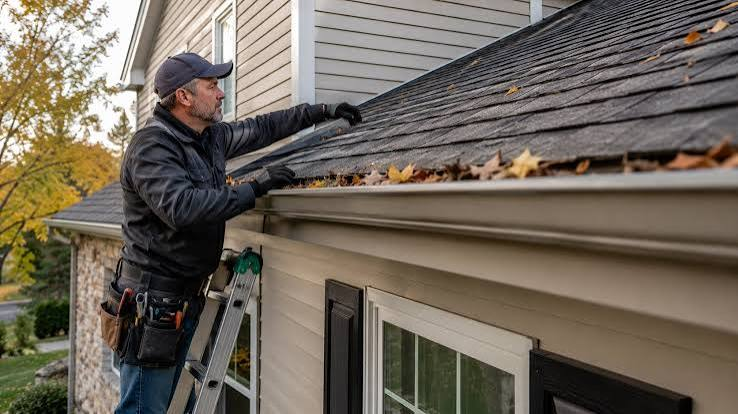
Roof maintenance in the United States is shaped by a wide range of regional conditions. A homeowner in Florida faces sustained humidity, UV exposure, and seasonal storm activity. A homeowner in Minnesota deals with freeze-thaw cycles that expand and contract roofing materials over months of winter. These are not minor variables. They determine how long a roof performs, when it starts to fail, and how much remediation costs when problems are finally addressed.
One of the most overlooked aspects of shingle roof maintenance is the sealant layer. It is not a glamorous part of roofing work, and it rarely comes up during a routine inspection until something has already gone wrong. Yet sealant plays a central role in keeping shingles bonded, edges protected, and penetrations watertight. Choosing the wrong product, or applying the right product incorrectly, can accelerate damage that takes years to become visible and thousands of dollars to repair properly.
This guide is written for homeowners who want to understand the decision clearly before committing to a product or a contractor. It is not a product review or a ranked list. It is a structured explanation of the variables that matter most when selecting a sealant for an asphalt shingle roof.
Understanding What Sealant Actually Does on a Shingle Roof
A sealant for roof shingles serves a different function than roofing cement or underlayment. It is a flexible, adhesive compound applied to specific areas of a shingle roof where water intrusion is most likely. This includes the points where shingles meet flashing, where roof penetrations pass through the deck, at ridge lines, around chimneys, and along valleys where two roof planes converge. These are the zones where shingle coverage alone is not sufficient to stop water movement under pressure.
What makes sealant distinct from other roofing compounds is its ability to remain pliable after curing. Roofing materials expand and contract with temperature. A product that dries rigid will crack under that movement. A proper sealant maintains a bond while flexing with the substrate, which is what allows it to remain effective through seasonal temperature shifts over multiple years.
The Difference Between Sealant and Roofing Cement
These two products are often confused and occasionally used interchangeably on job sites, but they are not the same. Roofing cement is a thick, trowel-applied compound typically used to embed flashing or bond overlapping sections of material. It is not designed for fine-edge application or long-term weatherproofing in narrow joints. Sealant is applied from a caulking gun and is formulated specifically for adhesion in small areas where movement and weather exposure are the primary concerns. Using cement where sealant is required typically leads to premature cracking and edge separation.
Where Sealant Is Most Commonly Required
Homeowners sometimes assume that sealant is only needed during a roof replacement or major repair. In practice, it is part of routine roof maintenance in several predictable locations:
• Along the edges of step flashing where it meets vertical walls or dormers, since water can track behind flashing that has lifted even slightly
• Around pipe boots and ventilation collars, where the rubber or lead seal deteriorates before the surrounding shingles do
• At the base of chimneys, where thermal mass differences between masonry and the surrounding deck cause repeated movement over years
• Along rake edges in high-wind regions, where the last course of shingles is most exposed to uplift
• On any repair patch where a shingle has been cut or replaced and the factory seal strip no longer covers the full adhesion zone
How Climate and Regional Conditions Should Drive Product Selection
The roofing product market offers a wide range of sealant types, and most perform adequately under ideal conditions. The challenge is that roofing conditions are rarely ideal. The factors that cause sealants to fail — UV degradation, thermal cycling, moisture absorption, and wind-driven debris — vary significantly from one region to another. Selecting a product without accounting for regional conditions is one of the most common reasons homeowners find themselves redoing work within a few years.
Hot and Humid Climates
In the Gulf Coast states, Florida, and parts of the Southeast, sealant products face relentless UV exposure and high ambient moisture. In these regions, silicone-based sealants tend to outperform other categories because they resist UV degradation more effectively and do not absorb water over time. However, silicone has a significant limitation: it does not accept paint and can make future adhesion difficult if repairs are needed. This is a practical trade-off that homeowners in these areas need to weigh based on whether the sealed surface will ever need to be coated or bonded to again.
Cold and High-Moisture Climates
In the northern states, Great Lakes region, and mountainous areas of the West, freeze-thaw cycles are the dominant stress on sealant bonds. Products that become brittle at low temperatures will fail at the joints they are meant to protect, often during the very conditions when water intrusion is most damaging. Polyurethane sealants are generally more appropriate in these climates because they remain flexible at lower temperatures and maintain strong adhesion through repeated thermal movement. They are also paintable and easier to work with on surfaces that may need future finishing.
High-Wind and Mixed-Weather Regions
In the central United States and along coastal areas regularly affected by tropical weather, wind uplift is an added concern. In these situations, sealant needs to provide a genuine adhesive bond, not just a weatherproof seal. Products with higher tack and longer open time before cure allow for better penetration into surface irregularities on aged shingles. The National Weather Service documents how wind-driven rain behaves differently than standard rainfall, and the angles at which water enters roof edges under these conditions require tighter, more adhesive seals than low-wind environments.
Evaluating Sealant Compatibility with Your Shingle Type
Not all sealants are compatible with all shingle materials. While asphalt shingles represent the majority of residential roofing in the United States, variations in asphalt composition, granule type, and manufacturer coatings mean that a product compatible with one brand’s shingles may not bond as reliably with another’s. This is a practical concern that is worth verifying before purchase, particularly when applying sealant for roof shingles across a larger surface area or around a recent manufacturer’s warranty claim.
Asphalt Compatibility and Adhesion Testing
Some sealant formulations contain solvents that can soften or discolor asphalt-based materials if they are not specifically formulated for compatibility. Butyl-based sealants are widely regarded as a safe choice for asphalt shingles because they bond reliably without chemical interaction. Before applying any product across a full seam or junction, it is worth applying a small amount in an inconspicuous area and observing the bond quality and any surface changes after curing. This simple step prevents product incompatibility from becoming a roof-wide problem.
Aged Versus New Shingles
A newly installed shingle roof and a roof that has been in place for fifteen years present different surface conditions. Aged asphalt shingles are drier, more porous, and often have granule loss in high-traffic or high-exposure zones. Applying sealant for roof shingles on aged material requires a product with better penetrating adhesion and ideally one that can tolerate some surface irregularity. Applying a product intended for smooth, new surfaces on an aged roof often results in shallow bonding that separates more quickly under thermal movement.
Application Conditions and Timing
Product selection and application conditions are equally important. A correctly chosen sealant applied in poor conditions will still fail. Temperature at the time of application, surface moisture, and the curing window before rain exposure are all factors that affect bond quality. Most sealants require a minimum surface and ambient temperature for proper adhesion, and many will not cure correctly if exposed to rain within a specific window after application.
Temperature and Surface Preparation
Cold-temperature application is a common cause of sealant failure in northern states. When materials are applied below their rated temperature range, they do not flow properly into surface irregularities, and the resulting bond is shallow and weak. Surface preparation matters as well. Any dust, loose granules, moisture, or existing sealant residue on the application area reduces the available bonding surface. Cleaning the area before application, even with a dry brush, meaningfully improves adhesion outcomes.
Cure Time and Weather Windows
Planning application around the weather forecast is not optional. Applying sealant for roof shingles when rain is forecast within the cure window can wash the product out of position before it has set, or trap moisture beneath the bond line. Most products include minimum dry-time guidance, but in practice, a full cure before any significant rain exposure produces a more reliable result than the minimum threshold. For homeowners coordinating their own repairs, this means scheduling work during stable weather periods, not reactive repairs during a rain event.
Working with Contractors: What to Ask Before the Job Starts
Many homeowners do not apply their own roof sealant. They hire a roofing contractor for repairs, and the sealant selection is left entirely to the crew on the day of the job. This is where product quality can vary significantly without the homeowner realizing it. Contractors working at volume sometimes default to the product they buy in bulk, regardless of whether it is the best fit for the specific roof condition, climate, or shingle type involved.
Questions That Clarify Product Suitability
Before work begins, a homeowner can ask straightforward questions that help confirm the contractor has thought through the selection. These include asking which specific sealant product they plan to use, why they are recommending it for this roof’s shingle type, and whether it is rated for the climate conditions in the area. A contractor who can answer these questions directly and specifically is more likely to be selecting products deliberately. A contractor who deflects or offers a generic answer may be defaulting to habit rather than judgment.
Conclusion: Precision Over Guesswork
Choosing the right sealant for a shingle roof is not a complex decision, but it does require some deliberate thinking. The stakes are low in the short term — a tube of sealant is an inexpensive purchase — but high over time. A product that fails within two or three years leaves the same vulnerabilities open that it was supposed to close, and repeated moisture intrusion causes damage that is rarely contained to the roof alone.
The homeowners who get the best results from roof sealant are those who treat it as a material selection decision rather than a commodity purchase. Climate, shingle age, surface compatibility, and application conditions all feed into a product choice that holds up. None of these factors require technical expertise to evaluate. They require attention, a few specific questions, and a willingness to prioritize long-term reliability over the convenience of whatever is on the shelf at the nearest hardware store.
Roof maintenance is most effective when it is planned rather than reactive. Understanding how sealant works and what conditions it needs to perform well gives homeowners a practical basis for making decisions that protect one of their largest physical assets.
